
Reviewed · SNOWSHOE TOURS
Snowshoe in a Winter Forest
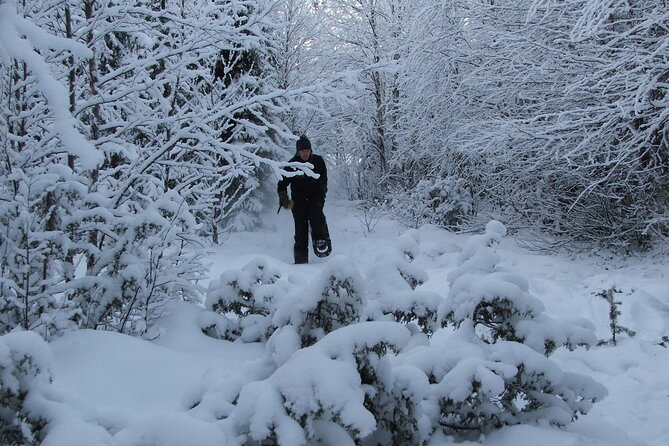
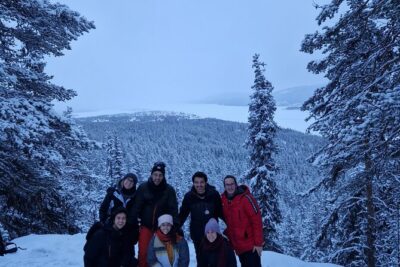
Snow turns the forest into a storybook. This easy 2.5-hour snowshoe walk near Kiruna combines quiet nature, animal tracks, local culture, and a warm pause by the fire. Guide Anders adds real local insight, from wildlife behavior to mining and Sami traditions.
I like the short distance, about 2 to 2.5 kilometers, and the small group of no more than eight. That makes this a gentle outing rather than a test of winter stamina. The main catch is clothing: snowshoes are supplied, but warm outdoor gear is not, and Kiruna’s cold is not something to negotiate with.
In This Review
- Key points to know before you book
- Into the forest from central Kiruna
- Fitting the snowshoes and setting an easy pace
- Reading the snow for animal tracks
- More than trees: Kiruna, mining, and Sami culture
- A fire, berry juice, and Kangoskaka
- What the two and a half hours feel like
- The price and what you receive
- Who will enjoy this walk most
- Clothing is the one detail you must get right
- Booking ahead and cancellation terms
- Should you book Snowshoe in a Winter Forest?
- FAQ
- Where does the snowshoe experience take place?
- What time does the experience start?
- How long is the activity?
- How far do you snowshoe?
- Is snowshoe equipment included?
- Is clothing provided?
- What is the minimum age and group size?
Key points to know before you book
- Animal tracks are the main event: Learn to read signs left by wildlife, even when no animals appear.
- An easy route: The walk covers about 2 to 2.5 kilometers and requires no special snowshoeing skill.
- Anders leads with local knowledge: Expect explanations about Arctic wildlife, Kiruna, forestry, mining, and Sami culture.
- A warm homemade break: Lingonberry-style berry juice and traditional Kangoskaka cookies are served during the outing.
- Central Kiruna pickup: Transfers are offered from central pickup points in a black minivan marked on67°.
- Bring your own winter clothing: Snowshoes and a headlamp, if needed, are included, but clothing is not.
Into the forest from central Kiruna
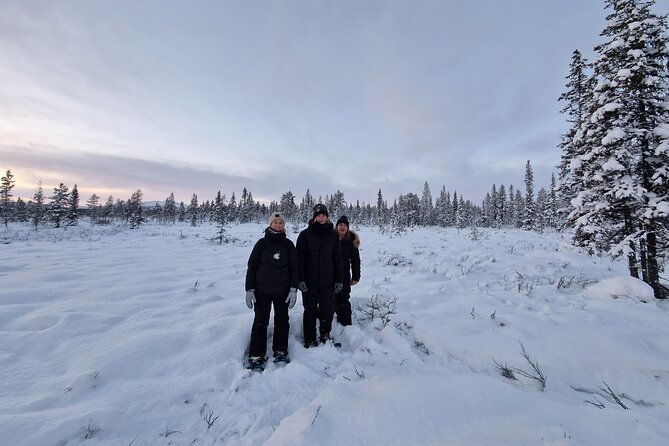
The outing begins at 10:00 a.m., with pickup in central Kiruna. The vehicle is a black minivan with the on67° logo, which should make it easier to identify in a row of winter transport.
The pickup information gives slightly different timing details, so pay attention when you book. Camp Ripan is listed for pickup shortly before the start, the Tourist Information point is listed a few minutes before, and Hotel Scandic is listed at the start time. Another set of instructions also mentions Hotel Arctic Eden in the old town. I would confirm your exact pickup point and time rather than rely on guesswork in the cold.
The transfer matters because it removes one small travel headache. You do not need to arrange a taxi or find a trailhead outside central Kiruna. The ride also creates a clear beginning to the activity: city streets give way to a quieter winter setting, and the focus shifts from Kiruna’s practical mining town to its surrounding forest.
This is not a long wilderness expedition. That is part of its appeal. You can fit it into a morning and still have much of the day for Kiruna’s other sights, a museum visit, or a relaxed lunch.
More snowshoe days:
- Snowshoe up a Mountain
★ 5.0 · 19 reviews - Abisko: Wilderness Snowshoe Hike
★ 4.8 · 94 reviews - Abisko: Aurora Snowshoeing
★ 4.7 · 59 reviews
Fitting the snowshoes and setting an easy pace
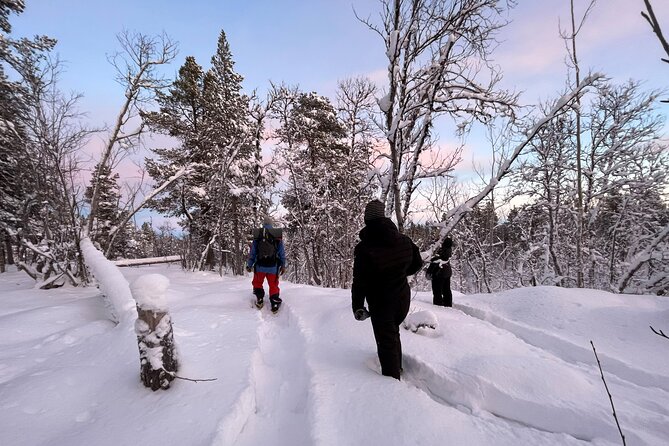
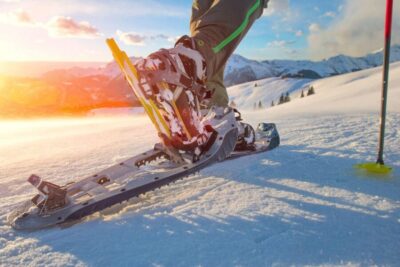
Snowshoe equipment is provided, and Anders helps with the gear. That is useful if you have never worn snowshoes before. The shoes spread your weight over the snow, making it easier to walk across soft winter ground instead of sinking with every step.
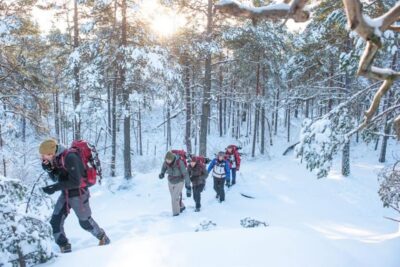
The activity level is rated easy, and the route runs roughly 2 to 2.5 kilometers. You do not need a particular skill level. The walk is designed for people who want to explore the forest at a calm pace, stop often, and listen to explanations.
Do not mistake easy for warm. Snowshoeing is gentle here, but you are still outdoors in Swedish Lapland. Dress for the weather with proper winter layers, gloves, a hat, sturdy winter footwear, and clothing that protects you from wind and snow. The operator does not supply extra clothing, so this preparation is your responsibility.
The minimum age is 12. That makes the outing suitable for older children and teenagers who can manage a winter walk, but it is not designed for very young children. Most people can take part, though the provider does not describe special accessibility arrangements.
Reading the snow for animal tracks
The forest walk is built around observation. Instead of simply marching through pretty trees, you learn to look down and notice what has passed through the snow.
Anders points out animal tracks and explains what they can reveal about Arctic wildlife. A set of prints may show the direction an animal took, how it moved, or how it uses the forest during the winter. The focus is not only on identifying a track, but on understanding how animals cope with the full Arctic year.
You may see signs of wildlife without seeing the animals themselves. That is an important expectation to set before booking. The forest can feel full of life even when it appears empty, but this is not a guaranteed animal-spotting excursion.
The activity works especially well for people who enjoy natural clues. You might find yourself studying a mark in the snow more closely than you expected, then hearing an explanation about behavior, shelter, or survival. The guide’s role is central here. Anders has been praised for noticing different tracks and explaining what they might mean in a way that is easy to follow.
This is also a good outing for photographers, though the emphasis is on the experience rather than formal photography instruction. Snow-covered trees, clean tracks, and low winter light give you plenty to notice. If the day is sunny, the forest can feel bright and open. In softer light, the mood becomes quieter and more atmospheric.
More than trees: Kiruna, mining, and Sami culture
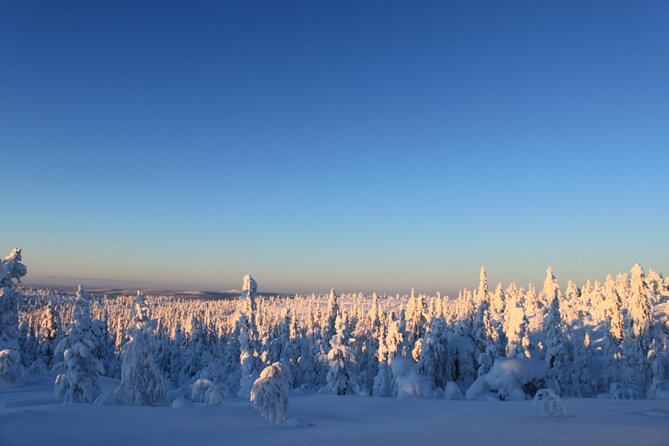
The walk also connects the forest to the place around it. Anders talks about living in Kiruna, the town’s mining industry, and Sami culture. Those subjects give the outing more depth than a simple snowshoe rental.
Kiruna is closely tied to mining, and the town’s identity is shaped by its Arctic setting and changing relationship with the mine. Hearing about that while standing in the surrounding forest helps connect the natural setting with the human story of the region.
The discussion of Sami culture adds another important local layer. The information provided does not promise a long cultural lecture, so you should think of these topics as part of a wider conversation during the walk. Still, they help you understand that Swedish Lapland is not just snow, trees, and northern lights. It is also a lived-in region with its own communities, work, traditions, and relationship to the land.
I particularly like this balance. Nature tours can sometimes treat the setting as scenery alone. Here, the forest is presented as part of Kiruna’s daily life and regional identity.
A few more ways to spend a day in Kiruna
- Kiruna: Cross-Country Skiing Tour with a Guide
★ 5.0 · 3 reviews - Stockholm: Winter Snowshoe Full-Day Hike
★ 4.8 · 57 reviews - Snowshoe Winter Hike from Stockholm
★ 5.0 · 27 reviews - Luleå: Nordic Touring Skiing Adventure
★ 5.0 · 7 reviews
A fire, berry juice, and Kangoskaka
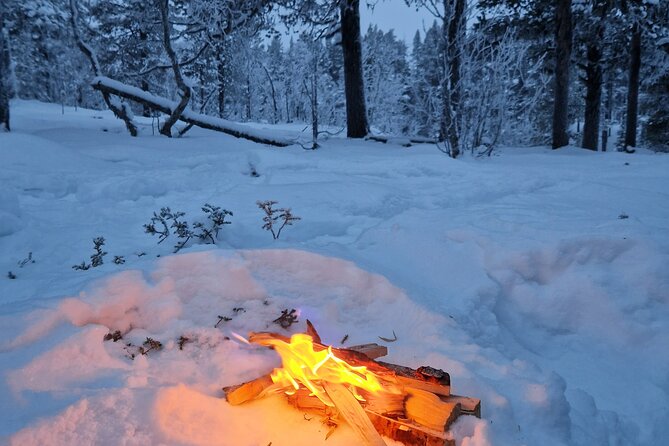
About halfway through the outing, you stop for a warm drink and a traditional cookie. The included refreshment is homemade berry juice, described in the experience details and tasting notes as a warm lingonberry-style drink. You also receive Kangoskaka, a traditional homemade cookie.
This pause is more than a snack stop. It gives you time to warm your hands, rest your legs, and ask questions. A short break also makes the easy route feel more relaxed and social.
The campfire is a favorite part of the experience for good reason. After walking through cold snow, hot berry juice tastes especially welcome. The cookie adds a small local touch rather than a generic packaged snack.
Food is not the reason to book this outing, but it improves the rhythm. The walk has a beginning, a period of discovery, a comfortable pause, and a return through the forest. That pacing suits people who want an Arctic activity without spending half a day in demanding conditions.
What the two and a half hours feel like
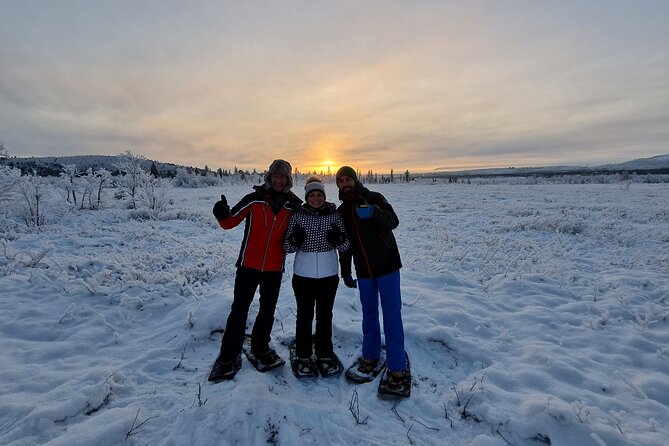
The advertised duration is approximately two hours and 30 minutes, including pickup arrangements and the forest activity. The route itself is short, so much of the value comes from the guide’s explanations and the time spent noticing details.
You will likely spend the outing walking, stopping to examine tracks, hearing about plants and wildlife, and taking breaks. The exact balance can change with snow conditions, group pace, and how much discussion develops along the way.
The small maximum group size is a real advantage. With up to eight people, Anders can keep an eye on everyone’s comfort and help with snowshoes. A compact group also makes it easier to hear the guide and ask questions without turning the walk into a public speech.
That personal attention matters in winter. If your snowshoes need adjusting or you are less confident on the snow, help is close by. The activity is not presented as a race, and the guide’s approach is attentive and cheerful.
The headlamp is included if needed. Since the listed start is 10:00 a.m., you may not need it every day, but Arctic winter light can vary. Having one available is a practical touch.
The price and what you receive
At $146.65 per person, this is not the cheapest way to walk in the snow. You are paying for more than equipment rental, though. The price includes central transfers, a local guide, snowshoes, the hot homemade drink, a cookie, and a small-group format.
I see the strongest value in the guide-led interpretation. If you only want to try snowshoes for an hour, renting gear may cost less. If you want to understand animal tracks, hear about Kiruna and Sami culture, and have someone manage the route and equipment, the package makes more sense.
The small group strengthens that value. A group of eight or fewer is a different experience from joining a large coach outing and following a guide at a distance. You are more likely to receive help, hear the explanations clearly, and enjoy a quieter walk.
The activity is also a useful choice when your schedule is tight. A 2.5-hour outing does not take over your whole day, while the included transfer saves time and effort.
Who will enjoy this walk most
I would choose this experience if you want a gentle introduction to Swedish Lapland rather than a physically demanding winter adventure.
It suits:
- First-time snowshoers
- People interested in wildlife and animal tracks
- Visitors who prefer small groups
- Families with children aged 12 and older
- Anyone who wants local context about Kiruna
- Visitors who like quiet outdoor activities with a warm break
It is also a good fit if you enjoy learning from a guide. Anders is described as warm, funny, and deeply familiar with the area. His explanations cover wildlife, forest plants, local conditions, Kiruna, mining, and Sami culture.
You may want a different activity if your main goal is to see wild animals up close, cover a long distance, or take part in an intense physical challenge. Animal sightings are not promised, and this outing is deliberately easy.
Clothing is the one detail you must get right
The provider supplies snowshoes, but no additional clothing. That note deserves attention because winter comfort can make or break the experience.
Wear clothing suited to the weather and the activity. You should think in layers, with warm outer protection and footwear that works with snowshoes. Gloves are especially important because you may spend time adjusting equipment or examining tracks.
The information does not specify whether poles, boots, or other winter items are included. Since only snowshoes and a headlamp if needed are clearly listed, ask before departure if you are unsure about any equipment.
Do not count on buying missing gear at the last minute. Prepare before pickup, when you still have access to your hotel room and local shops.
Booking ahead and cancellation terms
This experience is commonly booked well ahead, with an average booking lead time of about 57 days. That suggests you should reserve early if your Kiruna dates are fixed, especially since the group is capped at eight people.
Confirmation is received at booking. Free cancellation is available up to 24 hours before the start time for a full refund. Cancellations or changes made less than 24 hours before the activity are not accepted for a refund, and the cutoff follows local Kiruna time.
The practical lesson is simple: book ahead, then check the pickup details and weather clothing before the 24-hour deadline.
Should you book Snowshoe in a Winter Forest?
Book it if you want a relaxed, personal way to experience Kiruna’s winter woods. The short route, careful pacing, wildlife tracking, local stories, and homemade berry juice create a well-rounded morning. Anders is the heart of the experience, particularly if you enjoy a guide who explains rather than simply leads.
The main limitations are clear. You must bring your own winter clothing, animal sightings are not guaranteed, and the price is high if you only want basic snowshoe use.
For a first snowshoe outing, a family with older children, or anyone curious about Arctic nature and local culture, I think the value is strong. You leave with more than cold feet and photographs: you learn how to read the forest.
FAQ
Where does the snowshoe experience take place?
The activity takes place in the winter forest around Kiruna, Sweden.
What time does the experience start?
The listed start time is 10:00 a.m.
How long is the activity?
The experience lasts approximately two hours and 30 minutes.
How far do you snowshoe?
The route is approximately 2 to 2.5 kilometers.
Is snowshoe equipment included?
Yes. Snowshoes are included, along with a headlamp if needed.
Is clothing provided?
No. The provider does not supply additional clothing, so you must dress for the weather and the activity.
What is the minimum age and group size?
The minimum age is 12 years, and the maximum group size is eight people.
More Winter Activities
- Stockholm: Winter Kayaking, Swedish Fika and hot Sauna Experience
★ 5.0 · 156 reviews - Stockholm Winter Boat Tour with Guide
★ 4.0 · 25 reviews - Winter Kayak Tour in Stockholm City (Dry Suit Kayaking)
★ 5.0 · 18 reviews - Stockholm: Winter City Kayaking Tour
★ 5.0 · 16 reviews
Recently added around Kiruna
- Kiruna: Cross-Country Skiing Tour with a Guide★ 5.0 · 3 reviews
- Discover Kiruna: A Walk Through History and Nature★ 4.0 · 3 reviews
- Kiruna: Northern Lights Minivan Chase with Warm Drink★ 4.8 · 4 reviews
- Half day Wildlife and Nature Photography★ 5.0 · 6 reviews
- Snowmobile Safari to Lapland viewpoint★ 5.0 · 7 reviews
- Polar Nature Tour on Snowmobile★ 4.4 · 12 reviews
- Northern Lights tour with Reindeer★ 4.5 · 13 reviews
- Aurora Tour with Dinner in Abisko★ 5.0 · 15 reviews
Snowshoe Tours, compared.
Browse the lists this tour appears in