
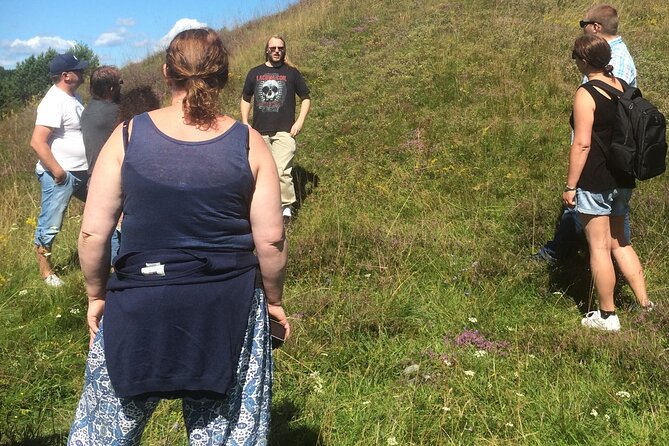
Reviewed · GHOST WALKS
Bloody Stockholm 2h – ghosts, horror and Dark Folklore Tour
The prettiest streets can hide gruesome stories. Bloody Stockholm turns central Stockholm into an open-air lesson in executions, curses, ghosts, trolls, and dangerous spirits, with a guide leading you from Stortorget through Gamla Stan to Saint Jacob’s Church. I like the mix of documented events and old Swedish folklore, and I like that the walk uses real streets, doors, church walls, and waterfront steps rather than relying on theatrical props. The main consideration is tone: this is an informative stroll with dark stories, not a jump-scare ghost attraction.
I especially like the small-group limit of 30 and the chance to ask questions along the way. Guides including Jonathan and Åsa have been praised for their humor, facts, and enthusiasm, with Åsa even making a three-person group feel especially personal. The advertised duration is about 1 hour 30 minutes, though one outing ran more than two and a half hours, so allow some flexibility if your guide gets carried away.
In This Review
- Key points to know before you book
- Starting with executions at Stortorget
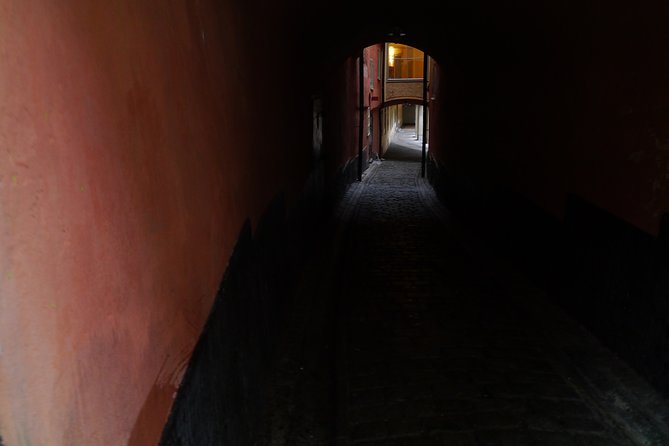
- Prästgatan and the alley called Hell
- Iron, newborns, and the Swedish Tomte
- Water spirits at Logårdstrappan
- Kungsträdgården and the forest’s dangerous beings
- Saint Jacob’s Church and the final warnings
- What the guide makes or breaks
- Timing, walking, and practical comfort
- Is the experience good value?
- Who should book Bloody Stockholm?
- FAQ
- How long does the Bloody Stockholm tour last?
- Where does the tour start?
- Where does the tour end?
- What language is the tour offered in?
- Is this a real ghost tour with actors and jump scares?
- How large can the group be?
- Can I cancel for a full refund?
Key points to know before you book
- The tour begins at Stortorget: Meet outside the Nobel Prize Museum in Stockholm’s best-known square, then begin with executions and the folklore of the dead.
- It mixes history with Swedish folklore: You hear about the Stockholm Bloodbath, curses, magical body parts, trolls, elves, and spirits tied to forests and water.
- The route is a walking circuit through central Stockholm: It crosses Gamla Stan, Prästgatan, Logårdstrappan, Kungsträdgården, and Saint Jacob’s Church.
- The ending is north of Old Town: Saint Jacob’s Church is beside Kungsträdgården, about a 10-minute walk from the starting point.
- The mood is educational rather than theatrical: Expect stories, interpretation, and questions, not actors or guaranteed scares.
- Weather and timing matter: This is an outdoor walk, and the pace may stretch if discussion runs long.
Starting with executions at Stortorget
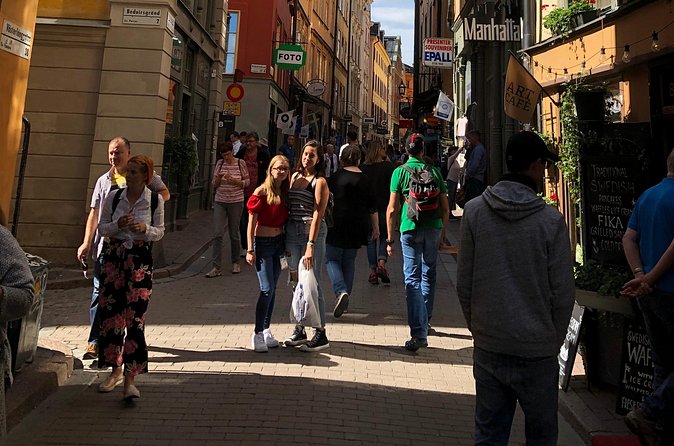
The tour starts at Stortorget, outside the Nobel Prize Museum at Stortorget 2. This is an easy place to find in Gamla Stan, though the square can feel crowded and lively during the day. That makes the subject matter especially striking. You are standing in one of Stockholm’s most picturesque spaces while hearing about death and public punishment.
The opening section focuses on around 90 executions connected with the Danish King Kristian’s takeover of Stockholm. The guide also explains how the blood and body parts of the dead entered folk beliefs. In these stories, blood could be used for curses, while pieces taken from gallows or corpses were thought to have magical uses.
This is one of the tour’s strongest ideas. Instead of treating the past as a parade of kings and grand buildings, it asks what ordinary people feared and believed. You get the darker side of power, punishment, and superstition in the same place where modern Stockholm presents its polished historic center.
The stop lasts about 10 minutes and has no admission charge. I would listen closely here, since the first stop sets up the tour’s main theme: the boundary between a recorded event and the beliefs people used to explain death, illness, bad luck, and danger.
More ghost walks:
- Stockholm: Ghost Walk and Historical Tour
★ 4.7 · 2,206 reviews - The Original Stockholm Ghost Walk and Historical Tour – Gamla Stan
★ 4.5 · 1,165 reviews - Bloody Stockholm: ghosts, horror and dark folklore 2h
★ 4.8 · 12 reviews
Prästgatan and the alley called Hell
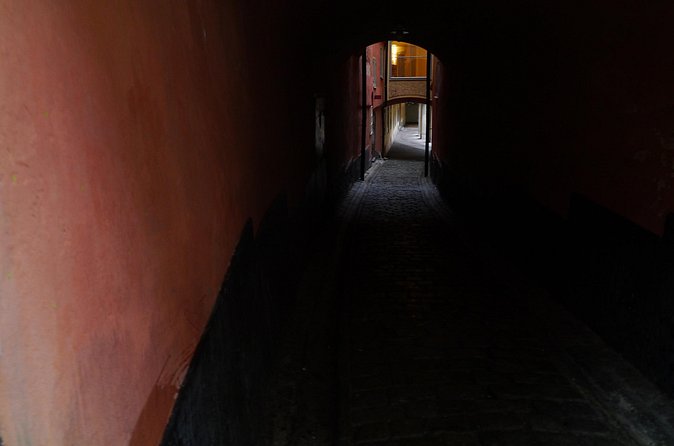
From Stortorget, the walk continues along Prästgatan. This short section explores a part of the street once known as Hell, connected with the people who lived there.
The appeal is less about a single famous sight and more about how the guide changes your way of seeing the Old Town. Gamla Stan is full of narrow lanes and colorful façades, yet many streets had rougher associations in earlier times. A name such as Hell gives the lane an extra layer, especially when it is linked with the lives and reputation of its residents.
This is also where the tour begins to move from executions into folklore. The setting helps because the Old Town’s tight streets feel more intimate than a broad modern avenue. You may find the stories easier to picture when the route takes place beside old walls and doorways rather than in a lecture room.
The stop is planned for about 10 minutes. It is brief, so do not expect a full social history of the street. Instead, treat it as a transition between the bloody opening and the supernatural beliefs that follow.
Iron, newborns, and the Swedish Tomte
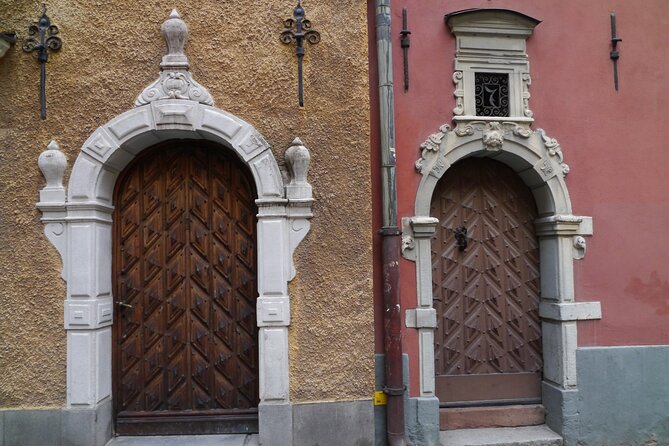
At a doorway in Stockholm’s Old Town, the guide explains protective customs involving iron and the supernatural beings known as vaesen. The talk includes elves associated with mist, the Swedish Tomte, and the dangers believed to face a newborn child before baptism.
This section gives the tour a useful domestic angle. Folklore was not only about haunted ruins or violent deaths. It also shaped how people thought about homes, doors, childbirth, and the unseen world around them. The question was practical: how do you protect a house, a baby, or a family from forces you cannot see?
You will hear about iron as a protective material and about safeguarding the door. The guide also discusses the vulnerability of an unbaptized newborn, who was thought to lack protection from trolls and the Devil. These details show how religious belief and older folk traditions could overlap.
I like this stop because it explains why folklore mattered in everyday life. The Swedish Tomte is often treated today as a friendly Christmas figure, but the older idea has a more complicated character. Depending on the story, such beings could help, punish, or cause trouble.
Because this portion happens outside a house, you will not be entering a museum or private building. The value comes from listening to the interpretation while looking at the kind of doorway that once carried practical and symbolic meaning.
Water spirits at Logårdstrappan
At Logårdstrappan, the focus shifts to water. The guide introduces Näcken, the bäckahästen, the Sjörå, and the skepps-rå, along with the dangers they represented.
Näcken is tied to water and music in Swedish folklore. The bäckahästen is described as a Swedish version of the kelpie, a creature associated with luring people toward danger. The Sjörå and skepps-rå connect the supernatural world with the sea and ships.
This is a fine location for the subject. You are not just hearing a list of creatures. You are beside the water, where stories about drowning, temptation, and unseen forces make immediate sense. The guide explains how these beings could lure people into the deep or try to drown them.
The water section also broadens the tour beyond Stockholm’s streets. You get a sense of how Swedish folklore grew from forests, lakes, rivers, and the sea. Different places created different fears. A dark forest needed one kind of explanation, while dangerous water needed another.
The planned time here is about 10 minutes. If you enjoy folklore more than historical crime, this is likely to be one of your favorite stops. One fair point to keep in mind is that the tour’s balance can vary by guide and by timing. Jonathan has noted that one version leaned more toward general Stockholm history and less toward dangerous beings, with plans to adjust the folklore content. If creatures and legends are your main reason for booking, it is worth asking at the start how much time will be given to them.
A few more ways to spend a day in Stockholm
- Stockholm: 2-Hour RIB Speed Boat Tour of the Archipelago
★ 4.9 · 396 reviews - Stockholm Speed Boat 2 Hour Archipelago Tour
★ 5.0 · 139 reviews - Södermalm: 2-Hour Sightseeing Tour
★ 4.0 · 46 reviews - Private blood, ghosts and folklore Old Town 2h Stockholm tour
★ 4.0 · 3 reviews
Kungsträdgården and the forest’s dangerous beings
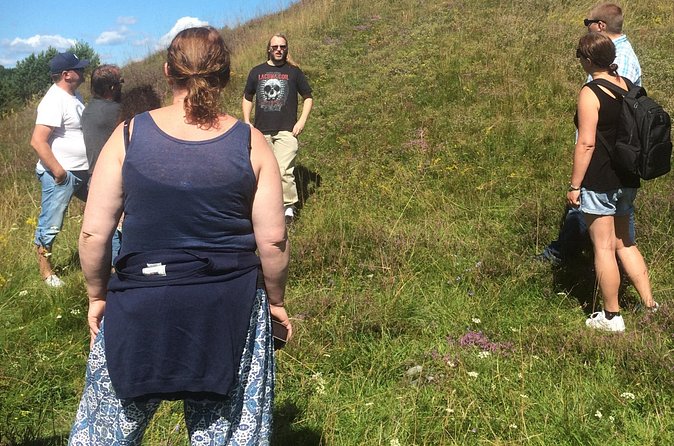
The longest folklore section takes place in Kungsträdgården, where the guide continues with beings such as Skogsrået, also called huldran, and the Myrling, an undead child from Swedish folklore.
Skogsrået is connected with the forest and is presented as dangerous. The Myrling brings the tour back to the theme of the restless dead, but in a different form from the executions at Stortorget. These stories are not only meant to frighten. They also reflect fears about isolation, children who died young, and the hazards of the natural world.
Kungsträdgården gives this part a more open setting than the Old Town lanes. That change is useful. The tour does not trap you in one visual mood, but moves between square, alley, water, park, and church. The surroundings help separate the different kinds of folklore.
This section lasts around 20 minutes, making it the best place to settle into the guide’s storytelling. You can expect more explanation than performance. The strongest guides on this walk appear to be those who answer questions and add context rather than simply reciting a script. Jonathan has been praised for being open to humor and questions, while Åsa has been praised for keeping the material engaging for a mixed-age family that included a 10-year-old.
The content is dark, so parents should use their judgment. The tour can work for an older child who enjoys spooky stories and historical detail, but the themes include death, murder, executions, the undead, and the Devil. It is not designed as a gentle children’s activity.
Saint Jacob’s Church and the final warnings
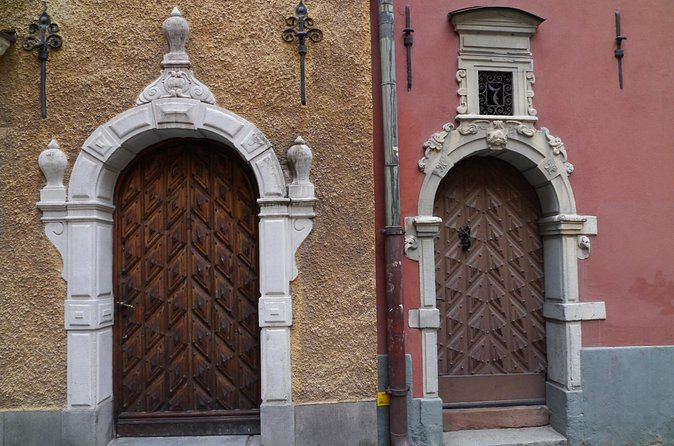
The final stop is outside Saint Jacob’s Church on Västra Trädgårdsgatan. Here the guide discusses the church door, weak points in the building, exorcism connected with a child at baptism, and ways a person might punish a worst enemy.
This ending brings several strands together. Earlier, iron and doors offered protection from vaesen. Now the church itself becomes part of the story, with its entrance and vulnerable points treated as places where danger might be held back or enter.
The baptism story returns to the concern about newborns and spiritual protection. The material about punishing an enemy brings the tour back to curses and the magical use of the dead discussed at Stortorget. The route therefore closes by linking household protection, religious ritual, and darker forms of folk magic.
The stop is planned for about 15 minutes. It takes place outside the church, so do not expect an interior visit or a formal church tour. The ending is practical for sightseeing. Saint Jacob’s Church is beside Kungsträdgården, north of the Old Town, and the walk back to the starting point takes about 10 minutes.
What the guide makes or breaks
This experience depends heavily on the guide. The subject is strong, but the stories need clear delivery and a feel for the group. The most praised qualities are factual command, humor, enthusiasm, and a willingness to answer questions.
Jonathan is named in the tour information and has led outings that lasted longer than planned. That can be good news if you enjoy detail and conversation. It can also create a timing problem if you have a restaurant booking, evening concert, or train to catch.
Åsa has also been praised for an engaging approach, especially with a very small group. A group of three can feel almost like a private walk, though the normal maximum is 30 people. With a full group, you may need to stay close to hear every story, especially on busy Old Town streets.
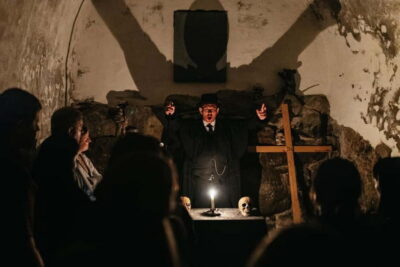
One useful expectation to set is that this is not necessarily a conventional ghost tour. The strongest description is a dark folklore and history walk. You get executions, murder, curses, exorcism, and supernatural beings, but the guide’s job is to explain the beliefs and local setting rather than produce sudden scares.
Timing, walking, and practical comfort
The experience is advertised as approximately 1 hour 30 minutes, even though its title refers to two hours. The six planned sections add up to about 75 minutes, so the actual pace can vary. Questions, crowd movement, weather, and the guide’s storytelling can extend the walk considerably.
I would avoid scheduling it too close to another fixed appointment. One outing lasted more than two and a half hours, and that guide openly acknowledged losing track of time. If you enjoy an unhurried talk, this may feel like extra value. If you want a tightly timed activity, build in a generous cushion.
All stops are outdoors and admission is free. You need to be comfortable walking between Old Town streets, waterfront steps, a park, and the church area. The experience operates near public transportation, and most people can participate. Service animals are allowed.
The tour is offered in English and uses a mobile ticket. The group can include up to 30 people. Confirmation normally arrives at booking, though a reservation made within 18 hours of departure may be confirmed as soon as possible, subject to availability.
Stockholm weather can shift quickly, so a rainproof layer and comfortable shoes make sense. One outing was still enjoyed in less-than-ideal weather, but bad conditions can make a standing outdoor talk less comfortable. Since the tour ends away from the start, plan your next stop from Kungsträdgården rather than from Stortorget.
Is the experience good value?
No price is provided here, so I cannot judge the exact cost against similar Stockholm activities. I can judge what you receive: a guided walk through central Stockholm, six themed stops, local history, Swedish folklore, and the chance to ask questions without paying separate entry fees.
The value is strongest if you already plan to visit Gamla Stan and want more than attractive façades. The guide gives the streets a second identity. A doorway becomes a place to discuss protection, a waterfront becomes the setting for water spirits, and a church entrance becomes part of a story about ritual and danger.
A maximum group size of 30 is reasonable for a walking tour, though the experience becomes more personal with fewer people. If you are lucky enough to join a very small group, the question-and-answer side can add a lot.
The value is weaker if you want a polished theatrical production, a short route with guaranteed timing, or a tour focused only on documented crime. The folklore is central, and the balance between historical facts and supernatural material may shift with the guide.
Who should book Bloody Stockholm?
I would choose this for you if you like old cities with unsettling backstories, enjoy asking questions, or want to understand how folklore shaped daily life. It is also a good follow-up to a daytime tour of Stockholm, since it revisits familiar streets from a much darker angle.
It suits adults and older children who can handle stories about death, murder, executions, curses, and the undead. The 10-year-old in one family found it exciting and educational, but younger children may find the material too grim.
I would skip it if you dislike outdoor storytelling, need strict timing, or expect actors and scares. You will get more from it if you listen for the connection between place and belief. The tour is not only about what supposedly haunted Stockholm. It is about how people used stories to explain danger, loss, and the unknown.
FAQ
How long does the Bloody Stockholm tour last?
The tour is described as approximately 1 hour 30 minutes, although the title refers to two hours. The planned stops total about 75 minutes, and one outing lasted more than two and a half hours.
Where does the tour start?
It starts at the Nobel Prize Museum, Stortorget 2, 103 16 Stockholm, Sweden.
Where does the tour end?
It ends outside Saint Jacob’s Church at Västra Trädgårdsgatan 2A, 111 53 Stockholm. The church is beside Kungsträdgården, about a 10-minute walk back toward the starting point.
What language is the tour offered in?
The tour is offered in English.
Is this a real ghost tour with actors and jump scares?
The experience focuses on guided stories about dark history, ghosts, horror, and Swedish folklore. It is best understood as an informative walking tour rather than a theatrical attraction.
How large can the group be?
The maximum group size is 30 people. Smaller groups may allow more direct conversation with the guide.
Can I cancel for a full refund?
Yes. You can cancel at least 24 hours before the local start time for a full refund. Cancellations or changes made within 24 hours are not accepted for a refund.
Recently added around Stockholm
- ROYAL Castle Skokloster and Viking Sigtuna (private tour)★ 4.5 · 3 reviews
- Stockholm Ghost Hunt: Self-Guided Tour and Puzzle Adventure★ 4.5 · 3 reviews
- Stockholm Port to Stockholm Arlanda Airport (ARN) – Departure Private Transfer★ 3.5 · 3 reviews
- Private Photography workshop in Stockholm★ 5.0 · 3 reviews
- Ghosts of Stockholm: A Guided Tour of Horror and Dark Folklore★ 4.5 · 3 reviews
- Private blood, ghosts and folklore Old Town 2h Stockholm tour★ 4.0 · 3 reviews
- Stockholm- Private transfer to/from Arlanda Airport and city★ 5.0 · 3 reviews
- Stockholm Arlanda airport to City center of Stockholm★ 3.3 · 3 reviews
Ghost Walks, compared.
The Original Stockholm Ghost Walk and Historical Tour – Gamla Stan
Read our review →
Bloody Stockholm: ghosts, horror and dark folklore 2h
Read our review →

Ghosts of Stockholm: A Guided Tour of Horror and Dark Folklore
Read our review →
Private blood, ghosts and folklore Old Town 2h Stockholm tour
Read our review →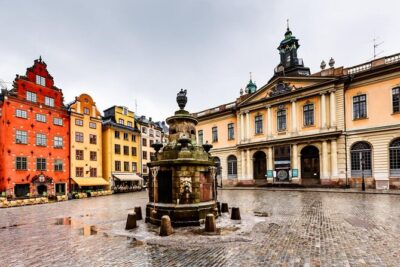
Stockholm Ghost Hunt: Self-Guided Tour and Puzzle Adventure
Read our review →Browse the lists this tour appears in