
Reviewed · GHOST WALKS
Bloody Stockholm: ghosts, horror and dark folklore 2h
Stockholm has a darker side. This two-hour walk through Gamla Stan links medieval Nordic folklore with grim events, executions, and murders, giving you a fresh way to see the Old Town. I like the strong mix of historical fact and supernatural belief, and I also like the small-group format, which gives you room to ask questions. The main consideration is the subject matter: this tour includes dead infants, executions, drowning legends, and bloody political violence, so it may not suit young children or anyone seeking a gentle sightseeing stroll.
I also appreciate that the tour does not treat folklore as a string of spooky stories with no context. Your guide explains how these beliefs worked in Swedish society and how they connect with older pagan traditions across the Nordic countries. The $89 price is not cheap for two hours, but the personal guidance, private option, and focused subject make it a fair choice for visitors who want more than the usual Old Town highlights.
In This Review
- Key points to know before you book
- Meeting the guide on Stortorget
- Gamla Stan seen through its darker stories
- Mylingar, the dead children who return
- Forest danger in the story of Skogsrået
- Näcken and the peril of the water
- Trolls, mountains, and stolen women
- The Stockholm Bloodbath and political violence
- The executioner’s alley and murders at Stockholm Castle
- Why the guide matters on this tour
- Is $89 good value for two hours?
- Who should take Bloody Stockholm?
- Practical details for a smoother walk
- Should you book this Stockholm ghost tour?
- FAQ
- Where does Bloody Stockholm begin?
- Where does the tour end?
- How long does the experience last?
- What languages are available?
- Is a private tour available?
- Can I cancel for a refund?
Key points to know before you book
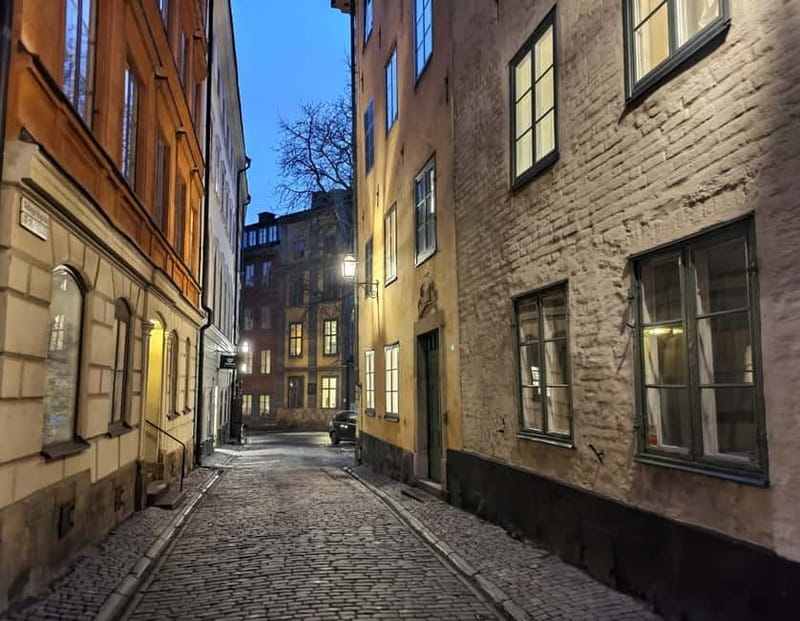
- Start beside the Nobel Prize Museum: Meet by the right side of the museum staircase on Stortorget, Stockholm’s main square.
- Folklore with a serious historical base: Hear about mylingar, Skogsrået, Näcken, trolls, and the beliefs behind them.
- Dark Gamla Stan history: The route covers the Stockholm Bloodbath, the executioner’s alley, murders at Stockholm Castle, and other bloody events.
- Small groups make a difference: You can ask questions directly, and a private group option is available.
- A local guide with a horror-nerd outlook: The guides combine local history with enthusiasm for frightening stories.
- Two languages and flexible booking: Tours run in English or Swedish, with free cancellation up to 24 hours before the start.
Meeting the guide on Stortorget
Your evening, or afternoon, begins at a very clear landmark: the entrance staircase of the Nobel Prize Museum on Stortorget in Gamla Stan. Look for a guide with the Sweden History Tours logo at the right side of the staircase. The walk ends back at this same meeting point, so you do not need to arrange transport from a distant part of the city.
That location makes practical sense. Stortorget is one of the Old Town’s best-known squares, and the surrounding buildings provide an immediate sense of medieval Stockholm. You are not being taken to a separate attraction or put on a bus. The setting itself becomes part of the story from the first minute.
Wear comfortable shoes. The tour takes place on foot through the Old Town, and the subject may be supernatural, but the streets are very real. Comfortable footwear will help you pay attention to the guide instead of thinking about your feet.
The tour lasts two hours. Starting times vary, so check the available schedule when you book. That matters if you are building an evening around dinner, another Old Town visit, or a museum stop.
More ghost walks:
- Stockholm: Ghost Walk and Historical Tour
★ 4.7 · 2,206 reviews - The Original Stockholm Ghost Walk and Historical Tour – Gamla Stan
★ 4.5 · 1,165 reviews - Bloody Stockholm 2h – ghosts, horror and Dark Folklore Tour
★ 5.0 · 14 reviews
Gamla Stan seen through its darker stories
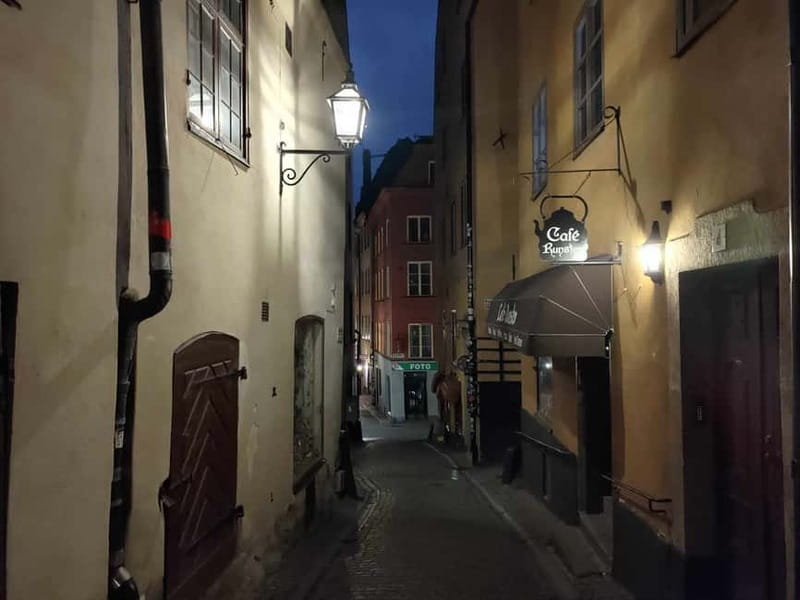
The usual Old Town tour points out attractive façades, churches, squares, and royal connections. This walk uses many of those same sights, but it asks you to consider what happened behind them. The main sights are still part of the route, yet the emphasis shifts toward violence, fear, superstition, and punishment.
I like that approach because familiar streets can feel completely different once you know the stories attached to them. A narrow passage is no longer just a photogenic shortcut. A square becomes a place connected with political bloodshed. A historic building can prompt questions about power, justice, and the fears people carried into daily life.
The guide’s job here is not simply to frighten you. The better part of the experience is the explanation behind each belief or event. You learn why certain creatures appeared in Nordic stories, what social fears they reflected, and how older pagan ideas continued to influence the way people understood danger.
That educational thread keeps the tour from becoming a string of cheap shocks. You get the atmosphere of a ghost walk, but also a basic lesson in how folklore functions. The result should appeal to you if you enjoy history told through unusual details rather than a standard list of dates and rulers.
Mylingar, the dead children who return
One of the most unsettling creatures discussed on the tour is the myling. In Swedish folklore, mylingar are murdered infants who return to haunt the living. It is a grim idea, and the story carries more weight than a simple ghost tale.
The legend reflects fear, guilt, secrecy, and the harsh conditions of earlier society. The guide connects this kind of folklore with the beliefs and social structures that shaped Swedish life. That explanation is important. Without it, the myling might be just a frightening figure. With it, you begin to see how supernatural stories could give a voice to suffering that society preferred to hide.
This is also a good example of the tour’s tone. It does not avoid the unpleasant parts of the past, but it uses them to explain how stories were formed and passed on. If you prefer light ghost stories, this section may feel too bleak. If you like folklore with a serious human edge, it is likely to be one of the more memorable parts.
Forest danger in the story of Skogsrået
The Skogsrået is presented as a beautiful but deadly female creature who lives in the forest. Her appearance may sound alluring, but the warning is clear: the forest holds danger, and beauty does not mean safety.
The tale offers a useful contrast with the urban streets around you. Stockholm’s Old Town is built, paved, and crowded with historic buildings, while traditional folklore often places danger at the edge of settled life. The forest becomes a place where ordinary rules no longer feel secure.
Your guide also explains the roots and purpose of these stories rather than presenting them as isolated curiosities. That makes the creature easier to understand within Nordic folklore. You can listen for the practical fears beneath the fantasy, including anxiety about the wilderness and the unknown.
A few more ways to spend a day in Stockholm
- Stockholm: 2-Hour RIB Speed Boat Tour of the Archipelago
★ 4.9 · 396 reviews - Stockholm Speed Boat 2 Hour Archipelago Tour
★ 5.0 · 139 reviews - Södermalm: 2-Hour Sightseeing Tour
★ 4.0 · 46 reviews - Private blood, ghosts and folklore Old Town 2h Stockholm tour
★ 4.0 · 3 reviews
Näcken and the peril of the water
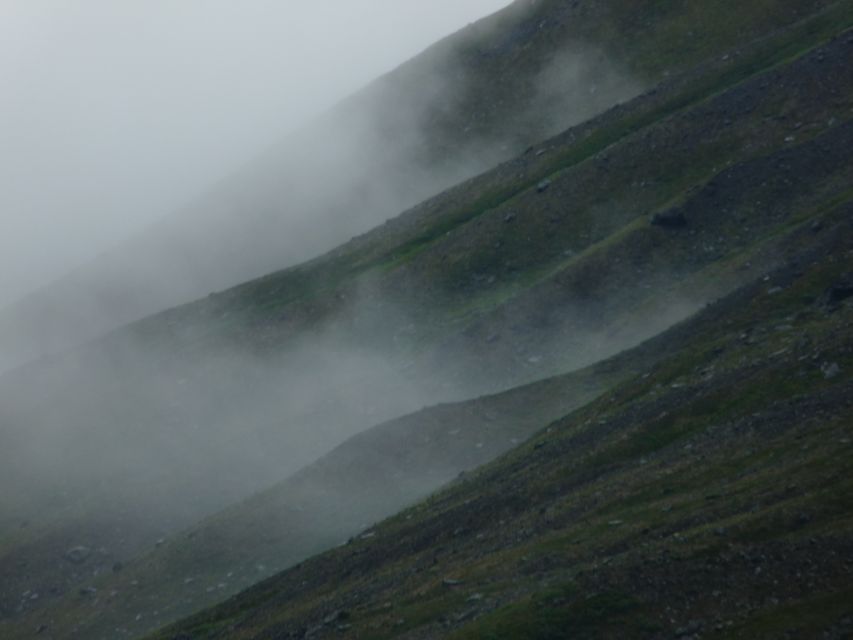
Näcken is described as a naked male creature who lures people into drowning. It is a stark warning, especially in a country shaped by lakes, rivers, and coastal waters.
The story works because the danger is simple and believable even without the supernatural part. Water can be beautiful, but it can also turn deadly. Folklore gives that danger a face and a personality, making the warning easier to remember.
This section also shows how the tour connects legendary creatures with the natural world. You are not only collecting names from a mythology book. You are hearing why a community might create a story about a river or lake that could take a life.
For you, this means the folklore portions are not random interruptions between historical stops. They help explain how earlier Swedes understood forests, water, mountains, death, and the limits of human control.
Trolls, mountains, and stolen women
The tour also covers trolls, described here as creatures living in the mountains who kidnapped women. Troll stories are familiar across Scandinavia, but the guide places them within Swedish and Nordic beliefs rather than treating them as children’s fantasy characters.
The darker version is the point. These creatures represent threats outside the safe boundaries of home and community. The stories also reveal old fears about isolation, abduction, and people disappearing beyond familiar territory.
I would pay attention to the guide’s explanations in this part of the walk. The value lies less in memorizing a creature’s name and more in understanding how the legend fit into older pagan beliefs and social life. The experience gives you a way to recognize folklore as a form of cultural history, not just entertainment.
The Stockholm Bloodbath and political violence
The tour turns from supernatural horror to documented bloodshed with the Stockholm Bloodbath. This is one of the key historical events in the walk, and it gives the experience a sharper edge. The horror here does not need a monster. Human power and political conflict are enough.
The guide also discusses executions and other bloody events connected with Stockholm. That shift from legend to recorded history is effective because it blurs the line between the frightening world people imagined and the violence they actually carried out.
You should expect the historical material to be presented in a storytelling format, not as a full academic course. Still, the subject gives the Old Town a stronger sense of consequence. The streets were not only built for trade, worship, and royal life. They were also places where punishment, public authority, and deadly conflict were visible.
If you already know the main facts of Swedish history, the tour may not add every detail you want. Its strength is the way it places grim events beside folklore, showing two different ways people made sense of danger.
The executioner’s alley and murders at Stockholm Castle
The route includes the executioner’s alley, one of the stops that gives the tour its most immediate atmosphere. A place with that name naturally invites questions: who worked there, how punishment was handled, and what public executions meant to the people who witnessed them.
The tour also covers murders at Stockholm Castle. This adds a royal setting to the darker material and shows that violence was not limited to alleys or places associated with criminals. Power, fear, and murder could reach the city’s most important buildings.
The supplied details do not identify every stop or describe a fixed sequence, so you should think of the walk as a guided route through the Old Town rather than a performance with a set of theatrical scenes. The guide leads you between the main sights and uses them as places to discuss events and beliefs.
That format suits me better than staged scares. You get an actual walking tour of Stockholm, with stories that change how you look at the surroundings. The tradeoff is that the experience depends heavily on the guide’s delivery and your interest in listening closely.
Why the guide matters on this tour
A subject like this needs a guide who can handle two different jobs. The person must explain Swedish and Nordic history accurately enough to give the stories meaning, but also keep the mood lively when the material becomes grim.
The tour is led by a qualified local guide described as a horror enthusiast. That combination is a major reason to consider it. You are not simply hearing a prepared list of ghost legends. You are getting local context from someone who enjoys the darker side of the subject.
Emma is one guide who has received especially warm praise for being funny and informative. On a small group walk, she also added extra details because the group was small. That is exactly where the format earns its keep: you can ask a question, and the guide has room to respond rather than rushing through a script.
English and Swedish are available. The tour is also offered as a private group, which may suit a family group, a group of friends, or anyone who wants to control the pace and ask more questions.
One of the most useful features is the willingness to answer questions beyond the strict topic. Questions about Swedish culture may come up naturally as you discuss old beliefs, social rules, and historical events. That makes the tour feel more like a conversation than a lecture.
Is $89 good value for two hours?
At $89 per person, this is a premium walking tour. You are paying more than you would for a basic self-guided visit to Gamla Stan, and the experience does not include a museum ticket, meal, or transport.
The value comes from focus and access to a guide. For two hours, you get a dedicated subject, a local expert, a small-group setting, and the chance to ask questions. A private option is also available, though the supplied information does not specify its price.
I would book it if dark folklore is one of your main interests, or if you have already seen the standard sights and want a new way to understand them. The price is harder to justify if you simply want a general introduction to Stockholm or a quick list of ghost stories.
Free cancellation up to 24 hours before the start reduces the risk, and you can reserve now while paying later. Those policies help if your schedule in Stockholm is still shifting, but they do not change the basic question of value: you need to want this particular subject.
Who should take Bloody Stockholm?
This tour is best for adults and older children who enjoy dark history, ghost stories, folklore, and unusual cultural context. An English-language option makes it a practical choice for visitors from abroad, including families who want a spooky walk without trying to follow a tour in Swedish.
It also suits you if you like asking questions. The small-group setting gives the guide more room to respond, and the tour’s subject naturally leads to questions about religion, social customs, punishment, gender, nature, and death.
I would think twice if you dislike graphic historical subjects or prefer upbeat sightseeing. The material includes murdered infants, abduction, drowning, executions, and murders. The walk is educational, but it is not soft-edged.
Families should use their judgment. The tour information does not give a recommended minimum age, so you will need to decide if the content fits the children in your group. The two-hour length is manageable, but the themes may be the bigger issue.
Practical details for a smoother walk
Meet at the right side of the Nobel Prize Museum staircase on Stortorget, and look for the Sweden History Tours logo. Since the meeting point and ending point are the same, you can easily continue exploring Gamla Stan afterward.
Choose comfortable shoes. This is a walking tour, and the Old Town setting means you should be ready to spend the full two hours on foot.
Check the available starting times before booking. The duration is fixed at two hours, but the schedule can affect dinner plans and other activities.
You can take the tour in English or Swedish. Small groups are available, and private groups can be arranged if you want a more personal experience.
Should you book this Stockholm ghost tour?
Book Bloody Stockholm if you want your Old Town visit to include more than pretty streets and famous buildings. I like its balance of documented violence and supernatural folklore, especially the way the guide explains why these stories mattered in Swedish society.
The strongest reasons to go are the personal guide interaction, the local setting, and the unusual subject. The highest praise has focused on guides who are funny, informative, friendly, and willing to answer questions beyond the planned material. That is valuable on a short tour.
Skip it if $89 feels too high for a two-hour walk, or if executions and stories about murdered children are not your idea of holiday entertainment. For the right audience, though, this is a memorable way to see Gamla Stan from its shadowy side.
FAQ
Where does Bloody Stockholm begin?
The tour begins by the entrance staircase of the Nobel Prize Museum on Stortorget in Stockholm’s Old Town. Meet on the right side of the staircase and look for a guide with the Sweden History Tours logo.
Where does the tour end?
The activity ends back at the same meeting point by the Nobel Prize Museum staircase.
How long does the experience last?
The walking tour lasts two hours. Starting times vary, so check availability when booking.
What languages are available?
The tour is offered in English and Swedish.
Is a private tour available?
Yes. You can choose a private group option.
Can I cancel for a refund?
Yes. You can cancel up to 24 hours before the tour for a full refund. You can also reserve now and pay later.
Recently added around Stockholm
- ROYAL Castle Skokloster and Viking Sigtuna (private tour)★ 4.5 · 3 reviews
- Stockholm Port to Stockholm Arlanda Airport (ARN) – Departure Private Transfer★ 3.5 · 3 reviews
- Stockholm Ghost Hunt: Self-Guided Tour and Puzzle Adventure★ 4.5 · 3 reviews
- Private Photography workshop in Stockholm★ 5.0 · 3 reviews
- Ghosts of Stockholm: A Guided Tour of Horror and Dark Folklore★ 4.5 · 3 reviews
- Private blood, ghosts and folklore Old Town 2h Stockholm tour★ 4.0 · 3 reviews
- Stockholm- Private transfer to/from Arlanda Airport and city★ 5.0 · 3 reviews
- Stockholm Arlanda airport to City center of Stockholm★ 3.3 · 3 reviews
Ghost Walks, compared.
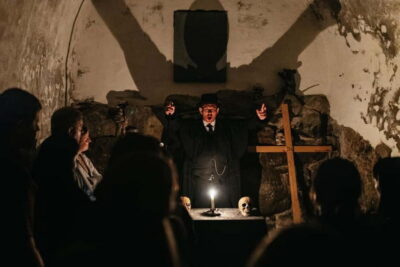
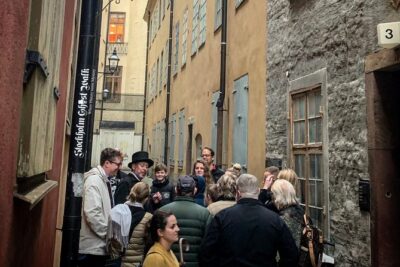
The Original Stockholm Ghost Walk and Historical Tour – Gamla Stan
Read our review →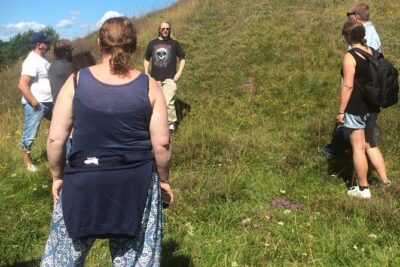
Bloody Stockholm 2h – ghosts, horror and Dark Folklore Tour
Read our review →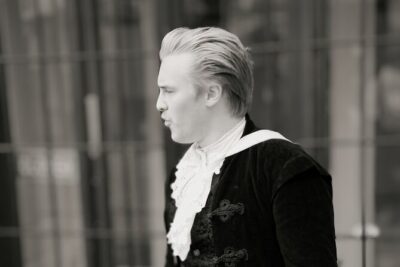

Ghosts of Stockholm: A Guided Tour of Horror and Dark Folklore
Read our review →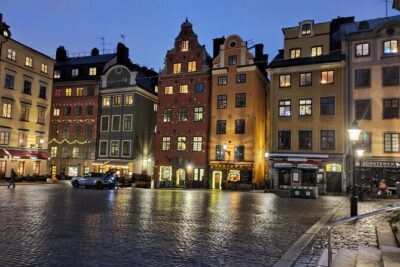
Private blood, ghosts and folklore Old Town 2h Stockholm tour
Read our review →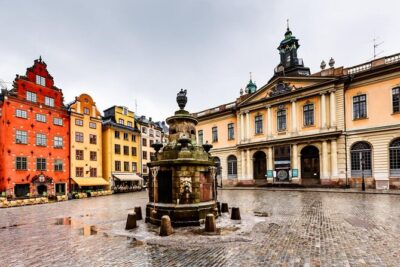
Stockholm Ghost Hunt: Self-Guided Tour and Puzzle Adventure
Read our review →Browse the lists this tour appears in