
Reviewed · TOURS
Scandinavian Art, Architecture and Design Tour in Stockholm
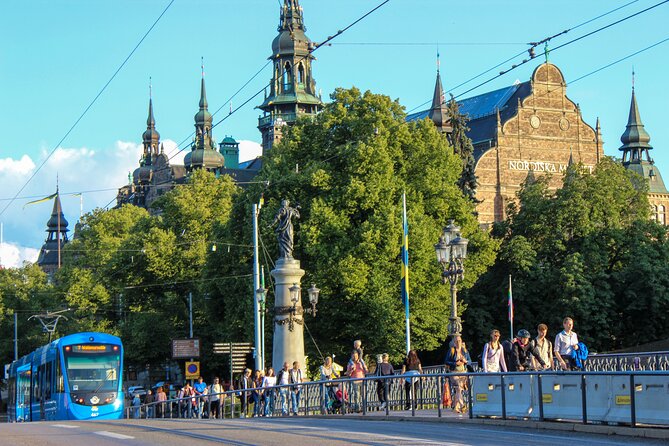
Stockholm’s best design lesson begins on the sidewalk. This three-hour walk connects Östermalm’s design district with food, theater, parks, and museums, making the city’s polished style easier to understand. I like the small group size, capped at 10, and the chance to browse design shops with guidance rather than simply marching past them. The main drawback is that the tour depends on good weather and spends much of its time outdoors.
I also like the route’s variety. You get grand streets, Swedish food, Art Nouveau architecture, royal gardens, and views toward the Old Town in one compact outing. If you want long museum visits or detailed shopping time, though, three hours will feel short. This is an introduction, not a full design course.
In This Review
- Key details before you book
- Why this Stockholm walk works as an introduction
- Starting at Stureplan in Östermalm
- Östermalms Saluhall adds food to the design story
- Swedish upholstery and the city’s polished interiors
- The Royal Dramatic Theater and Stockholm’s stage history
- Kungstradgarden links parks with architecture
- The Royal Swedish Opera and a Stockholm Phantom
- Skeppsholmen views and the Nationalmuseum finish
- What Olesia’s guiding style adds
- Who will get the most from this experience?
- Price, timing, and practical value
- Should you book the Scandinavian Art, Architecture and Design Tour?
- FAQ
- How long does the Scandinavian Art, Architecture and Design Tour last?
- How much does the tour cost?
- Where does the tour begin and end?
- Is the tour offered in English?
- How large is the tour group?
- What happens if the weather is poor?
Key details before you book
- A small group of no more than 10: This allows for a more personal walk and makes it easier to ask about Swedish design, furniture, textiles, and architecture.
- A route through Östermalm: Stureplan, Linnégatan, Nybrogatan, and Strandvägen reveal Stockholm’s polished design and antique-shopping side.
- A 19th-century food hall stop: Östermalms Saluhall adds Swedish food culture to what could otherwise be a purely architectural walk.
- Personal time in design shops: You get access to design stores and time to browse furniture, home accessories, and textiles at your own pace.
- A finish near the Nationalmuseum: The tour ends in front of the Nationalmuseum, with the art museums of Skeppsholmen part of the final discussion.
- A weather-sensitive outdoor walk: Bring sensible shoes and check the forecast, since poor weather can lead to a new date or a full refund.
Why this Stockholm walk works as an introduction
At $61.62 per person, this tour is not the cheapest way to stroll through central Stockholm. But you are paying for a guide who links the city’s streets, buildings, shops, food, and public spaces into one story.
That connection is the real value. You can walk past a handsome building on your own and admire it. With a guide, you can also hear why Swedish design became associated with clean lines, useful objects, fine materials, and restrained decoration. The route gives you a framework you can use later when you visit museums or shop for Scandinavian goods.
The tour lasts about three hours, including travel time. That makes it a good first or second activity in Stockholm. You get your bearings without giving up an entire day, and the walk can help you decide which museums, shops, or neighborhoods deserve another visit.
The group limit of 10 matters here. Design tours involve questions, comparisons, and small details. A very large group would make it hard to stop outside a shop or hear a short explanation on a busy street. This format should feel more like a guided conversation than a lecture, though the exact experience depends on the guide and group.
The tour is offered in English and comes with a mobile ticket. It is also booked, on average, 26 days ahead, so I would not treat it as a last-minute plan during a busy visit.
A few more ways to spend a day in Stockholm
- Stockholm: City Archipelago Sightseeing Cruise with Guide
★ 4.3 · 10,798 reviews - Stockholm: Skansen Open-Air Museum Admission Ticket
★ 4.5 · 3,427 reviews - Stockholm: Archipelago Boat Tour
★ 4.4 · 3,110 reviews
Starting at Stureplan in Östermalm
The walk begins at Svampen, the familiar meeting point at Stureplan in Östermalm. This is a useful starting place because Östermalm presents the refined side of Stockholm right away.
The first hour moves through Stureplan, Linnégatan, Nybrogatan, and Strandvägen. These streets are linked with Swedish design, upholstery, antique houses, and higher-end shops. You are not just looking at storefronts. The guide explains the important names in Stockholm’s design world and places their work in its historical setting.
That context helps you read the neighborhood. A shop selling furniture or textiles is not simply a place to buy something expensive. It can also reflect Swedish ideas about domestic life, craftsmanship, comfort, and practical beauty.
I would pay attention to the difference between browsing and buying. The experience includes access to design shops, but there is no promise of discounts or purchases included in the price. You are getting entry and guidance, not a shopping allowance.
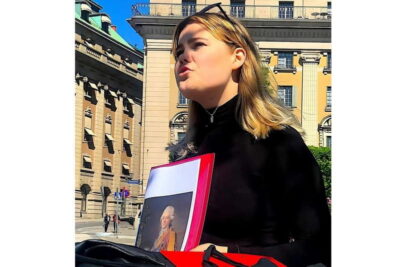
One of the best features is the personal time built into this part of the route. Olesia, the guide praised most warmly in the available feedback, gave one person time to look through furniture, home accessories, and textiles independently. That balance is useful. You hear the story first, then have a chance to form your own opinion without being rushed from one stop to the next.
If you love interiors, this may be the strongest section of the tour. If you are mainly interested in royal history or famous paintings, the design-shop focus may feel less important.
Östermalms Saluhall adds food to the design story
After the streets of Östermalm, the route enters Östermalms Saluhall for about 30 minutes. This market hall is both a food stop and an architectural landmark dating from the 19th century.
The visit gives the tour a welcome change of pace. Instead of looking at furniture, facades, and theater buildings, you get a sense of typically Swedish food and the way a traditional market works. You should expect an introduction to local delicacies rather than a full meal or a formal tasting menu, since no food inclusions are specified.
The hall also reinforces one of the tour’s central ideas: Swedish design is not limited to chairs, lamps, and fabric. It appears in public spaces, shops, food halls, and everyday city life. The setting makes the discussion more grounded.
Thirty minutes is enough to walk through the market and take in its character. It is not enough for a slow lunch, extensive shopping, or a serious food tour. If you want to eat here, ask the guide how much free time the schedule allows, or plan to return later.
For me, this stop improves the overall value. A tour devoted only to design can become visually repetitive. The food hall gives you a different way to understand Stockholm and lets you reset before the next architectural stop.
Swedish upholstery and the city’s polished interiors
One part of the route focuses on a famous Swedish upholstery name associated with Stockholm’s most exclusive homes. The details are presented as part of the city’s design story, showing how upholstery connects Swedish craft with the demands of well-to-do residents.
This is a small but telling subject. Upholstery is easy to overlook because it is part of a room rather than the room itself. Yet fabric, padding, color, and workmanship can change how furniture feels and how long it lasts. A guide can point out that design is not always about a dramatic shape. Sometimes it is about quiet quality and careful making.
The stop will suit you if you enjoy interiors, furniture, and material details. If your interest in design is limited to major buildings, it may seem like a specialist aside. Still, it gives the tour a more human scale. You are learning not just about architects and public monuments, but also about the objects people live with.
The available feedback makes clear that the design-store time is one of the most praised parts of the experience. Keep that in mind when deciding how to use the tour. You will get more from it if you are willing to look closely at textiles, furniture, and household objects rather than treating the shops as quick photo stops.
A completely different kind of day out around Stockholm:
- Stockholm: Highlights Boat Tour
★ 4.3 · 2,542 reviews - Stockholm Pass: Save up to 50% – Includes Vasa Museum Ticket
★ 4.1 · 2,392 reviews - Stockholm: Ghost Walk and Historical Tour
★ 4.7 · 2,206 reviews - Walking Tour of Stockholm Old Town
★ 5.0 · 1,175 reviews
The Royal Dramatic Theater and Stockholm’s stage history
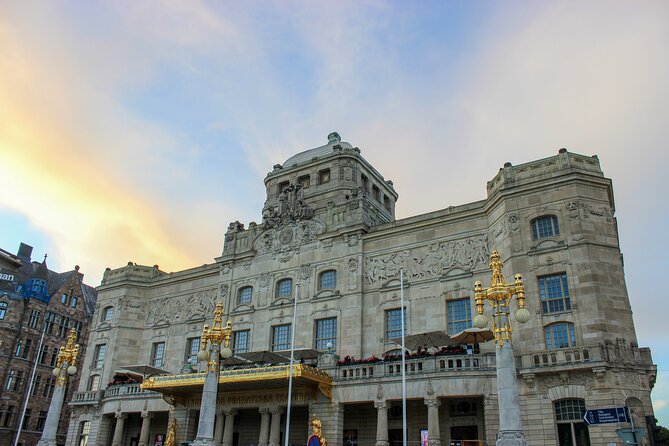
The Royal Dramatic Theater, or Kungliga Dramatiska Teatern, receives about 15 minutes. Its Art Nouveau design makes it one of the route’s strongest exterior architecture stops.
The building is also tied to Swedish acting history. Greta Garbo and Ingrid Bergman, known internationally for Casablanca, began their careers here. That connection gives the facade a little star power, but the building’s design is the main reason it belongs on this walk.
Fifteen minutes is brief. You will hear about the theater and see its exterior, but you should not expect a performance, an interior tour, or a detailed study of Swedish drama. If you want to visit the theater properly, you will need separate plans.
Still, this is a good example of the tour’s method. It uses a building to connect art, architecture, and national culture. The theater is not presented as an isolated monument. It becomes part of a wider story about how Stockholm gives public space to design and performance.
Kungstradgarden links parks with architecture
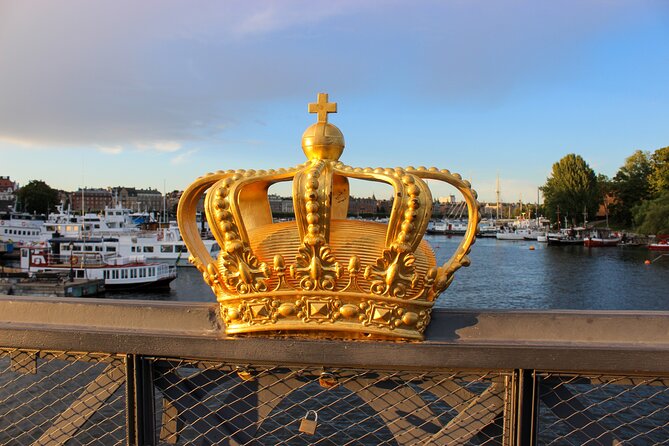
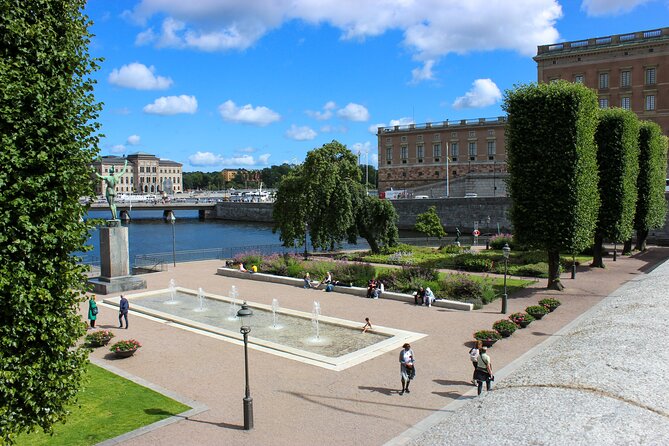
The walk then reaches Kungstradgarden, or King’s Garden, for about 45 minutes. This park offers a more open setting and gives the guide room to talk about Stockholm’s green spaces.
The garden’s story reaches back to the 15th century and includes several later reinventions. That makes it useful for understanding that city spaces are not fixed. Parks change as public needs, fashions, and ideas about urban life change.
Here, the discussion broadens to Swedish architectural phases, from Gothic and Baroque influences to modern design. You will also hear about the origin of Sweden’s famous Falu red paint, an earthy red color that has become closely associated with Swedish buildings.
This is one of the tour’s most useful stops if you want to understand Stockholm beyond its shops. Green areas are not just decoration. They shape how the city feels, where people gather, and how older buildings relate to modern urban life.
The 45-minute timing allows more space than the theater stop, but weather matters. A park discussion loses some of its charm in cold rain, and the whole experience requires good weather. Wear shoes that can handle several hours on city streets and check the forecast before you go.
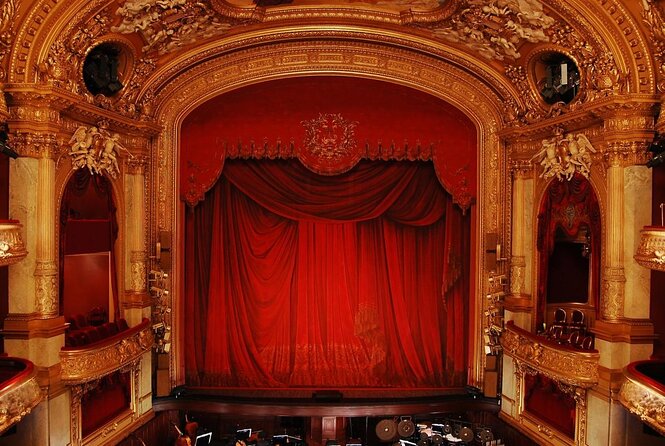
The Royal Swedish Opera and a Stockholm Phantom
The Royal Swedish Opera is another exterior stop, with a story tied to the late 19th century. The guide presents it as a major architectural work and adds a Stockholm version of the Phantom of the Opera story.
This is a short encounter rather than a performance visit. You will hear about the building and its theatrical associations, but admission to an opera is not part of the tour. The appeal comes from the way the guide uses drama and legend to make architecture easier to remember.
If you like buildings with a story, this should be a pleasant pause. If you want detailed architectural analysis, the short schedule may leave you wanting more. You can note the location and return on your own if the opera interests you.
Together, the Royal Dramatic Theater and Royal Swedish Opera give the route a clear performing-arts thread. Stockholm’s design culture is not only about private interiors. It also appears in public buildings created for actors, singers, and audiences.
Skeppsholmen views and the Nationalmuseum finish
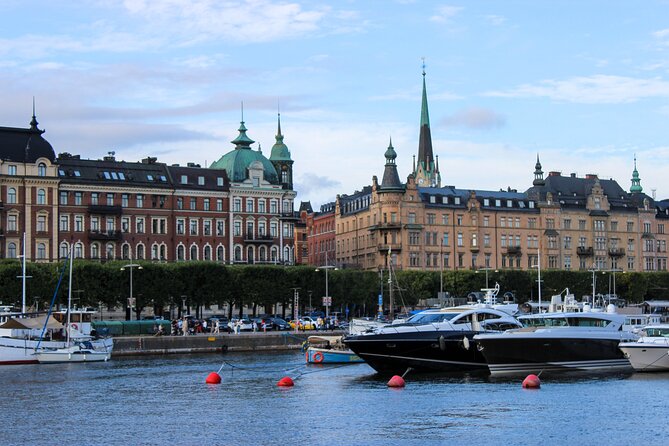
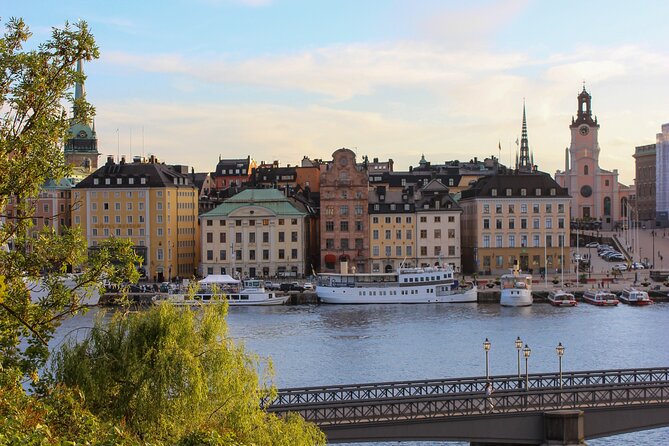
The final part reaches Skeppsholmen, one of the prettiest islands in central Stockholm. From here, the route offers a view toward the city’s Old Town and discusses the museums and cultural institutions connected with the area.
The Nationalmuseum, Moderna, and ArkDes are all part of the conversation. You may not enter each one during this three-hour walk, but learning where they are and how they fit into Stockholm’s art and design scene can help you plan the rest of your stay.
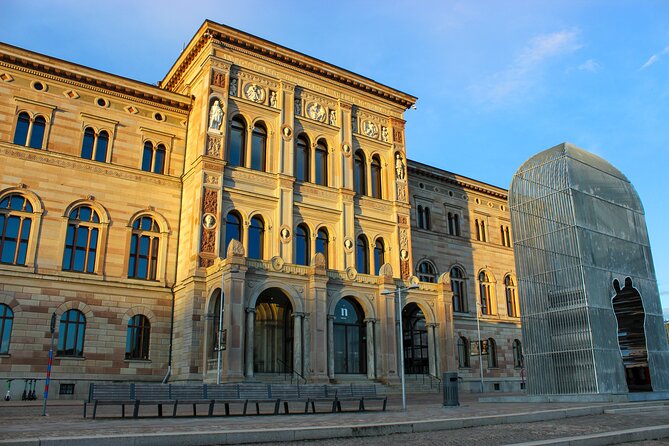
The tour ends in front of the Nationalmuseum at Södra Blasieholmshamnen 2. That finish is practical. You can continue into the museum if you have a separate admission plan, or use the location as a starting point for more time around Stockholm’s central cultural district.
This last section also gives the walk a visual payoff. You have moved from Östermalm’s polished streets to parks, theaters, and waterfront views. The route closes by bringing art, architecture, and design together rather than treating them as separate subjects.
Do not expect a long stop inside the Nationalmuseum. The stated end point is outside, and the experience is primarily a walking tour. Plan extra time if you want to visit the collection.
What Olesia’s guiding style adds
The strongest personal praise centers on Olesia. Her approach is described as intimate, story-led, and flexible, especially when the group is very small or private.
That matters because design can be a dry subject if it is reduced to names and dates. A good guide makes the objects and buildings feel connected to real people, homes, work, and daily life. Olesia also allowed time for independent browsing, which is exactly what a design-focused walk needs.
The format may vary with the assigned guide, so I would not book solely on the expectation of a private tour. The maximum is 10 people, not one person. Still, the small cap gives the experience a better chance of feeling personal than a large city sightseeing walk.
The overall rating is 4.7 from 11 ratings, with 91 percent recommending the experience. That is a promising early signal, though the sample is small. I would read it as evidence of strong satisfaction, not as a guarantee that every group will have the same guide or pace.
Who will get the most from this experience?
I would choose this tour if you:
- Enjoy furniture, textiles, interiors, and Swedish design names.
- Want a guided orientation to Östermalm and central Stockholm.
- Prefer a small walking group to a large bus or lecture.
- Like mixing architecture with food, theater, parks, and museum planning.
- Want an activity that fits into half a day.
- Appreciate having some time to browse shops independently.
I would look elsewhere if you want extensive museum access, a dedicated food tasting, or a full shopping trip. You should also reconsider if the forecast calls for poor weather, since the walk is outdoors and weather cancellation is possible.
The tour works especially well near the start of a Stockholm stay. You can use the guide’s suggestions to decide which design shops deserve more time, which museum to visit, and where to return for food.
Price, timing, and practical value
The $61.62 price is fair if you take advantage of the guide’s interpretation and ask questions. It is less compelling if you simply want to see the buildings, since many of the stops are free exterior sights.
The included access to design shops is the key value point. So is the route planning. In three hours, you cover a broad section of central Stockholm without having to research the design district, market hall, theaters, park, opera, and museum area yourself.
Travel time is included in the approximate three-hour duration, so the pace may feel active. You are moving between neighborhoods and stops, not spending 45 minutes at every building. Keep your schedule flexible afterward rather than booking a tight connection.
The start at Svampen, Stureplan, is near public transportation. The end at the Nationalmuseum gives you a clear place to continue your day. A mobile ticket makes arrival simple, and most people can participate. Service animals are allowed.
Free cancellation is available up to 24 hours before the start time for a full refund. Changes made inside that 24-hour window are not accepted, and cancellations made too late are not refunded. Since the tour requires good weather, a poor-weather cancellation brings an alternative date or a full refund.
Should you book the Scandinavian Art, Architecture and Design Tour?
Book it if you want to understand why Stockholm’s design feels so present in everyday life. The route gives you more than pretty buildings: it connects Östermalm shops, Swedish upholstery, a historic food hall, theaters, parks, opera, and museums in one sensible walk.
I especially recommend it for design-minded visitors who want time to browse rather than race past storefronts. The small group limit and Olesia’s praised balance of storytelling and independent shopping add real value.
Skip it if your priority is entering museums, tasting a full range of Swedish food, or spending a relaxed morning in one place. For everyone else, this is a smart way to get your bearings, sharpen your eye for Swedish design, and finish near the Nationalmuseum with plenty of Stockholm still ahead.
FAQ
How long does the Scandinavian Art, Architecture and Design Tour last?
The tour lasts approximately three hours, and travel time between stops is included in that duration.
How much does the tour cost?
The listed price is $61.62 per person.
Where does the tour begin and end?
It begins at Svampen in Stureplan, Östermalm, Stockholm. It ends in front of the Nationalmuseum at Södra Blasieholmshamnen 2.
Is the tour offered in English?
Yes. English is the listed tour language, and a mobile ticket is available.
How large is the tour group?
The experience has a maximum of 10 people.
What happens if the weather is poor?
The experience requires good weather. If it is canceled because of poor weather, you will be offered a different date or a full refund. You can also cancel for a full refund up to 24 hours before the start time.
Recently added around Stockholm
- ROYAL Castle Skokloster and Viking Sigtuna (private tour)★ 4.5 · 3 reviews
- Stockholm Port to Stockholm Arlanda Airport (ARN) – Departure Private Transfer★ 3.5 · 3 reviews
- Stockholm Ghost Hunt: Self-Guided Tour and Puzzle Adventure★ 4.5 · 3 reviews
- Private Photography workshop in Stockholm★ 5.0 · 3 reviews
- Ghosts of Stockholm: A Guided Tour of Horror and Dark Folklore★ 4.5 · 3 reviews
- Private blood, ghosts and folklore Old Town 2h Stockholm tour★ 4.0 · 3 reviews
- Stockholm- Private transfer to/from Arlanda Airport and city★ 5.0 · 3 reviews
- Stockholm Arlanda airport to City center of Stockholm★ 3.3 · 3 reviews
Tours, compared.


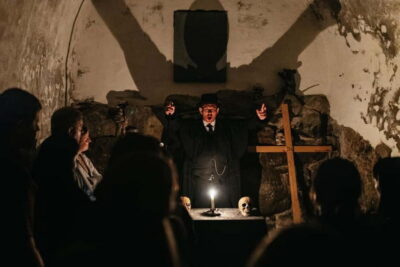

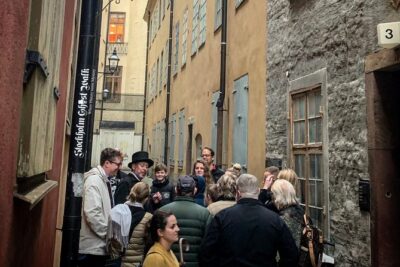
The Original Stockholm Ghost Walk and Historical Tour – Gamla Stan
Read our review →
Browse the lists this tour appears in