
Reviewed · MUSEUMS
Stockholm: Skansen Open-Air Museum Admission Ticket
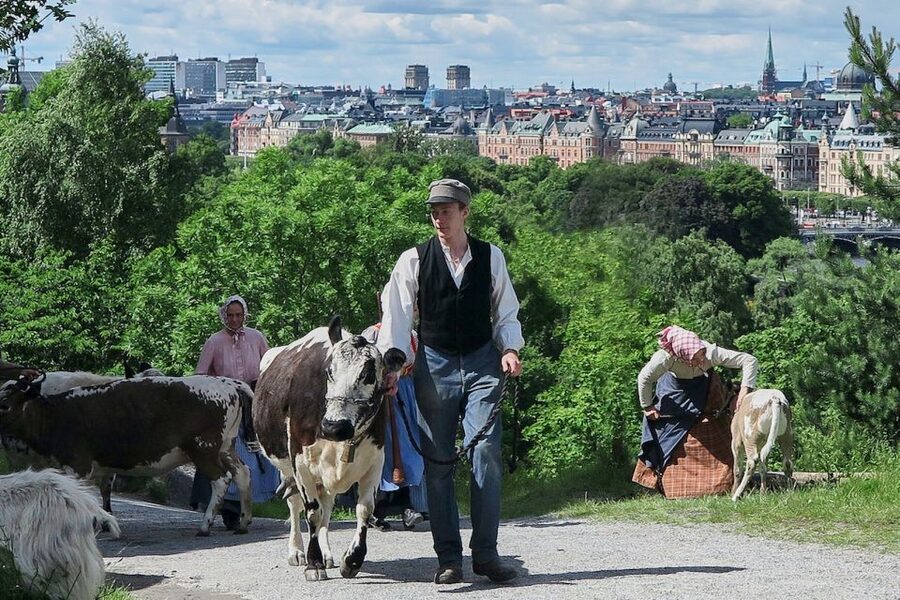
History comes alive on Stockholm’s island. Skansen combines old Swedish homes, working farmsteads, traditional crafts, and Nordic animals in one huge open-air museum. I especially like the chance to see how people lived from the 16th century into the early 1900s, then walk a short distance to watch moose, bears, lynx, and reindeer.
I also like the seasonal character of the place. Midsummer celebrations, winter snow, and the historic Christmas market can make the same paths feel completely different. The main caution is size: two hours is not enough, and the hilly grounds can be tiring, particularly if you want to see both the buildings and the animals.
In This Review
- Key things to know before visiting
- Why Skansen works better than a standard museum
- Entering Djurgården and getting your bearings
- The historic houses and farmsteads
- The Nordic animals: moose, bears, lynx, and more
- The aquarium and extra attractions
- Food, coffee, shops, and Stockholm views
- Christmas, Midsummer, and changing seasons
- Is $27 good value for one day?
- Who should book Skansen?
- FAQ
- Where is Skansen located?
- How long is the Skansen ticket valid?
- Do I have to arrive at the exact time selected?
- What is included in the ticket?
- Is Skansen wheelchair accessible?
- Are food and drinks available inside Skansen?
- Can I see Nordic animals at Skansen?
- Is the aquarium included in admission?
Key things to know before visiting
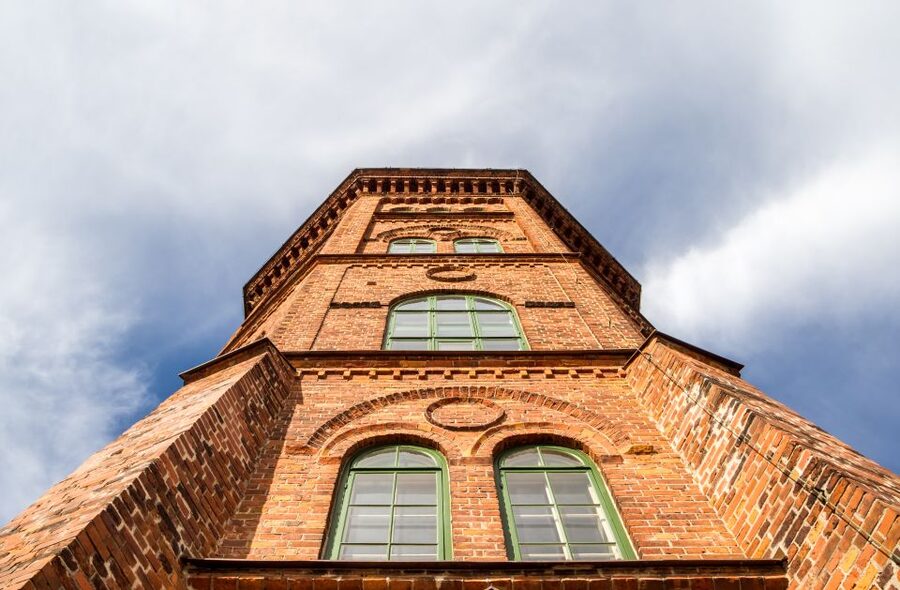
- Up to 150 historic buildings: Farmhouses, workshops, shops, and homes were brought from different parts of Sweden.
- Nordic animals in a historic setting: Look for moose, brown bears, lynx, wolverines, seals, reindeer, and domestic breeds.
- Plan at least half a day: Many people spend five hours or a full day and still do not see every corner.
- Seasonal events change the mood: Midsummer festivities and the Christmas market add live traditions to the regular exhibits.
- Some extras may cost more: The aquarium and funicular have been described as additional purchases, so check what your ticket includes.
- Comfortable shoes matter: The site is large, with paths and hills that make this more than a casual stroll.
Why Skansen works better than a standard museum

Skansen is not a building full of glass cases. It is a broad park where houses, barns, workshops, gardens, animal enclosures, viewpoints, and walking paths are arranged as a picture of old Sweden. The result is much easier to understand than a simple timeline on a wall.
You can see the social differences between households and communities. A modest rural home gives one view of daily life, while workshops, farmsteads, and larger properties show other kinds of work and living conditions. The buildings come from different parts of the country, so Skansen also gives you a sense of regional Sweden rather than one single village.
I find the setting useful for families and first-time visitors because the subject changes often. You might look at old construction methods, then watch a domestic animal, then stop at a viewpoint over Stockholm. Children do not have to stand still for long stretches, and adults get enough context to make the buildings meaningful.
The museum is also a living presentation of the past. Staff in period roles demonstrate trades and explain customs linked to work, celebrations, and the changing seasons. One visitor was able to make a bookmark at the printers, while glassblowing and baking demonstrations have also been highlights for visitors at different times.
Do not expect every house to operate like a daily show. Opening schedules and staff demonstrations can vary, especially in winter or on Sundays. The buildings remain worth seeing, but the experience is strongest when you check which areas and activities are running on your chosen day.
More museums:
- Stockholm Pass: Save up to 50% – Includes Vasa Museum Ticket
★ 4.1 · 2,392 reviews - Stockholm: Nobel Prize Museum and Exhibition Entry Ticket
★ 4.3 · 994 reviews - Stockholm: Fotografiska Museum Entrance Ticket
★ 4.5 · 702 reviews
Entering Djurgården and getting your bearings
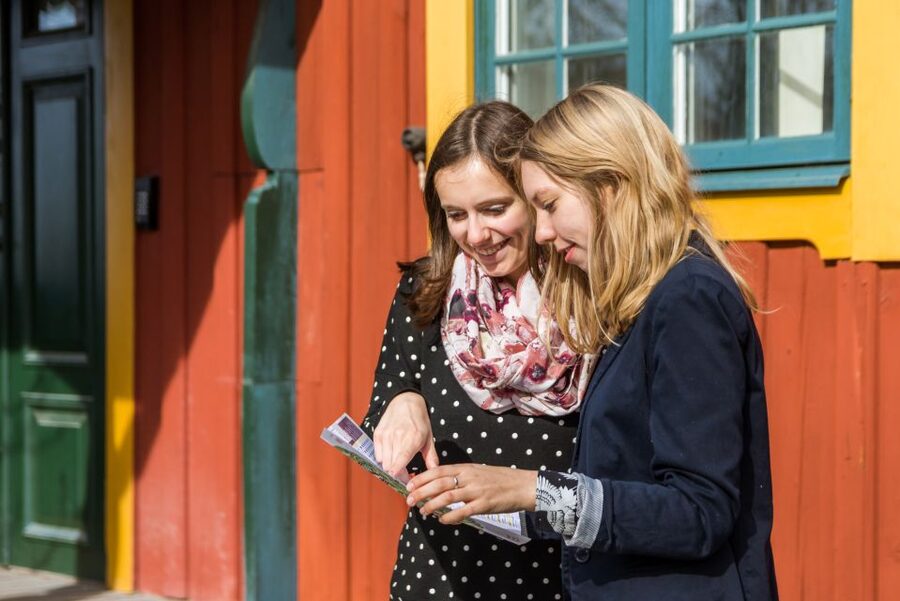
The meeting point is at Djurgårdsslätten 49-51, on Stockholm’s museum island. The entrance arrangement has changed at times, and it can be confusing if you rely only on an older map or online directions. Keep your ticket QR code ready for scanning, and allow a few minutes to find the correct entrance.
The ticket is valid for one day from first activation. The selected time slot is only a reference, so you can arrive at any point during the museum’s opening hours. That flexibility is useful if you are building Skansen into a larger day on Djurgården.
Skansen is wheelchair accessible, but the site is not flat. Several paths are hilly, and the initial climb can feel substantial. A funicular or tram ride up the first large hill has been available for an extra fee, according to visitor information. If you have limited mobility, ask at the entrance about current transport options and which routes are easiest.
A walk from central Stockholm can take about 25 minutes along the water, according to one winter visit. That route sounds pleasant, but remember that you will be walking plenty once inside. Public transport may be the better choice if you want to save energy for the museum.
The historic houses and farmsteads
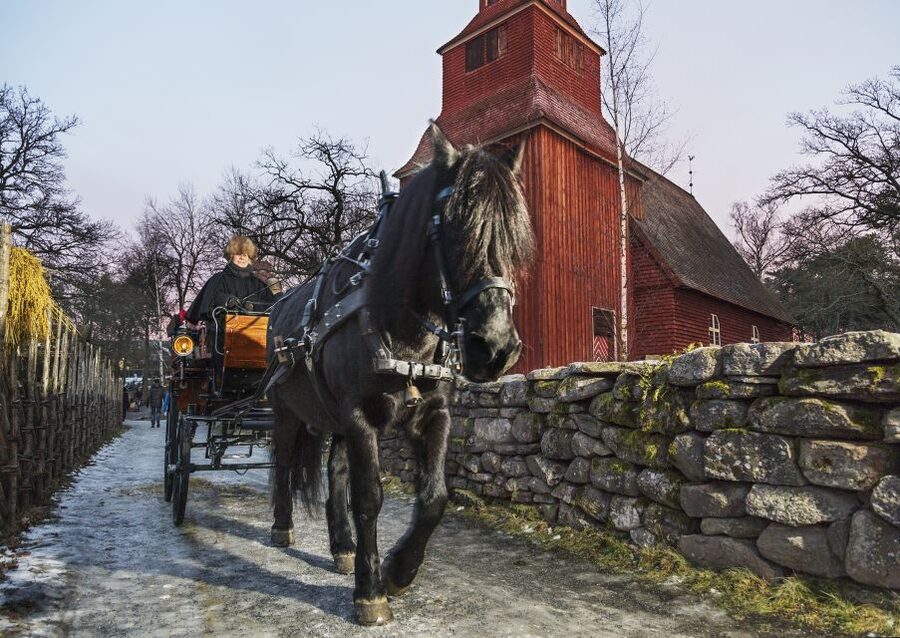
The buildings are Skansen’s heart. You will see homes and farmsteads relocated from around Sweden, arranged to show rural life and older town life in a way that feels physical and immediate.
Instead of reading that a craft was once part of everyday work, you can enter a workshop or shop and see the setting where it happened. Old tools, ovens, furniture, and household details help explain how much effort went into ordinary tasks. The displays cover work, food, domestic life, local trades, celebrations, and seasonal routines.
The strongest moments come when the buildings are staffed. A person explaining a trade or household routine can connect the objects to real behavior. Period clothing and role-playing staff help turn a preserved house into a scene rather than a silent structure.
Still, you should set realistic expectations. On Sundays, some character staff may not be present, and during winter many activities or buildings may be closed. One useful timing detail is that guides inside the houses may leave around 3 p.m. even when other parts of the grounds remain open for at least another hour. If the historical demonstrations matter most to you, go earlier.
Give yourself time to wander instead of racing from one building to the next. The park is laid out for walking, and part of the pleasure is noticing how the houses, paths, animals, and views fit together. The architecture is carefully maintained, but it is the ordinary details that make the visit memorable: a shop counter, a bakery, a workbench, or a room arranged for daily life.
The Nordic animals: moose, bears, lynx, and more
Skansen adds a zoo to the museum, and this is a major reason the ticket works for mixed-age groups. The collection includes about 75 species, with Nordic wild animals, rare domestic breeds, and smaller creatures for children.
The moose are among the biggest draws. They are a fitting symbol of northern Sweden, and seeing them at close range gives the historical sections a stronger connection to the country’s natural world. Brown bears, lynx, wolverines, reindeer, and grey seals are also listed among the animals you may see.
Animal availability can change. Reindeer enclosures or other exhibits have occasionally been closed, and one visit had no wolves or reindeer available. That means you should treat individual animals as a bonus rather than a guarantee. The park itself remains worthwhile if one enclosure is shut.
The domestic animal area is gentler and more hands-on in spirit. Cats, rabbits, guinea pigs, and farm breeds give younger children something familiar to watch. Peacocks may also wander freely near the paths, creating the sort of small surprise that no signboard can quite match.
For many adults, the animals prevent the historic buildings from becoming repetitive. For children, they provide a reason to keep walking. That balance is one of Skansen’s best qualities, though it also means the site feels partly like a zoo and partly like a museum. If you want only historic architecture, the animal areas may feel like a distraction. If you are visiting with children, they are often a welcome change of pace.
A few more ways to spend a day in Stockholm
- Stockholm: City Archipelago Sightseeing Cruise with Guide
★ 4.3 · 10,798 reviews - Stockholm: Archipelago Boat Tour
★ 4.4 · 3,110 reviews - Stockholm: Highlights Boat Tour
★ 4.3 · 2,542 reviews - Stockholm: Ghost Walk and Historical Tour
★ 4.7 · 2,206 reviews
The aquarium and extra attractions

The Baltic Sea Science Center Aquarium has received strong praise for its displays and interactive approach. It offers another way to understand the region, with a focus on Baltic Sea life and aquatic environments.
There is also a walk-through animal area with lemurs, which has been a memorable highlight for some visitors. However, ticket treatment has not been described consistently. Several visitors paid an extra charge for the aquarium or separate zoo area, while another said the aquarium was included with admission. Check the current terms before budgeting for it.
That small bit of planning matters because the additional attraction can change the value calculation. At $27 per person, the basic admission already covers a large museum and animal collection. If the aquarium is extra, decide based on your interests rather than assuming it is part of the standard ticket.
The funicular is another possible add-on. It can help with the first hill, but it may not be necessary if you are comfortable walking and want to keep costs down. For anyone with mobility concerns, the convenience may be worth more than the extra fee.
Food, coffee, shops, and Stockholm views

Food and drinks are not included in the admission price. Restaurants on the grounds offer meals and views over Stockholm, making lunch a sensible pause rather than an afterthought. One visit included a pleasant lunch, and another praised the food and drinks during a New Year’s Day visit.
Opening times can be uneven, especially early in the day. A visitor arriving at 10 a.m. found it difficult to buy coffee or a drink because cafés and stands opened gradually from around 11 a.m. If you need breakfast coffee, plan ahead rather than counting on every food outlet being ready at opening time.
The museum shop is worth a look even if you are not shopping for souvenirs. It carries traditional handicrafts and Swedish-designed items, along with the sort of practical gifts that feel more connected to the place than generic key rings.
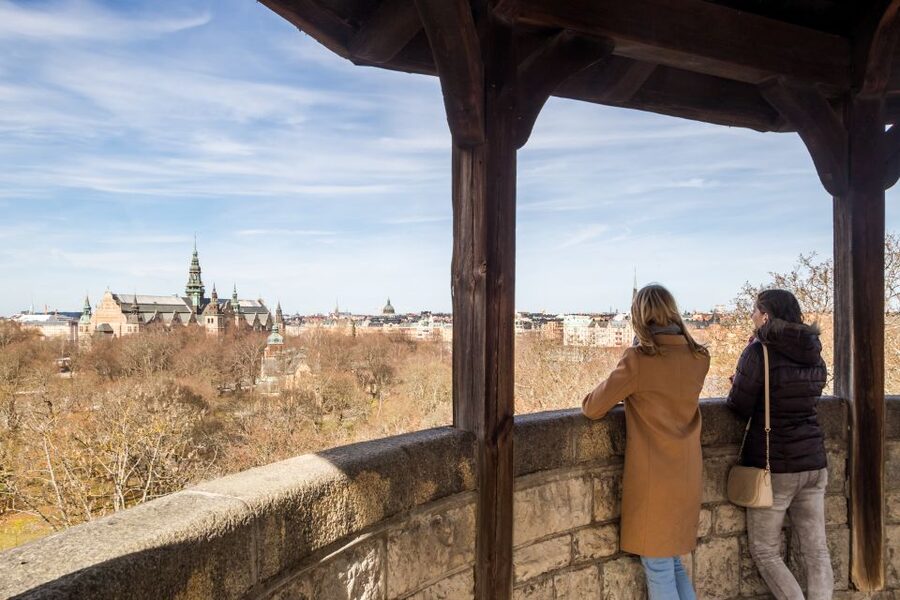
Views are another quiet benefit. Skansen sits high enough in parts of Djurgården to provide outlooks over Stockholm. These stops break up the walking and give you a chance to see the city from a different angle. In winter, snow can make the old buildings especially atmospheric, but cold weather also makes a full-day visit more demanding.
Christmas, Midsummer, and changing seasons
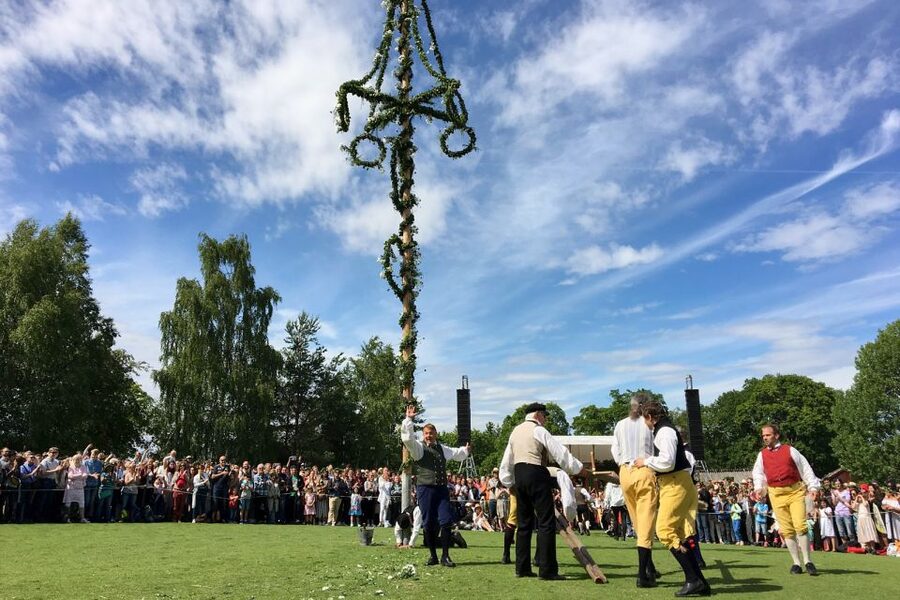
Skansen changes with the calendar. Midsummer celebrations can include traditional customs and live activity, making June a particularly good time if you want Swedish seasonal culture rather than only permanent exhibits.
The Christmas market has roots going back to 1903. During its scheduled season, it runs from Friday through Sunday, with handicrafts, sweets, homemade candles, and Christmas gifts. The market adds crowds and atmosphere, but it also gives you a clear reason to visit in colder weather.
Winter has advantages beyond the market. Snow can make the historic streets and farmsteads feel especially evocative, and the animal collection remains a draw. On the other hand, fewer buildings or demonstrations may be operating, and the cold can limit how long you want to stay outdoors.
Summer provides longer, more comfortable walking time and more chances for demonstrations. It is also when the grounds can feel busiest, especially around family activities. Choose your season based on priorities: traditional events and snow for atmosphere, or longer walking time and fuller programming for exploration.
Is $27 good value for one day?
At $27 per person, Skansen is not a quick bargain attraction. It is a large, full-day site, and the price makes the most sense if you stay at least half a day. Several visits lasting four to five hours still did not cover everything.
The ticket combines several experiences that would otherwise require separate stops: historic buildings, live craft demonstrations, animal enclosures, walking paths, viewpoints, and seasonal programming. That variety is the main value. You can tailor the day to your group instead of paying for a narrow exhibit that appeals to only one person.
The value drops if you arrive late, spend only an hour or two, or visit when your main interests are closed. It also becomes less straightforward if you want the aquarium, funicular, or other add-ons and each requires an additional payment.
For a family, the mixture of animals and history can justify the price more easily than a museum aimed only at adults. For a couple or solo visitor, I would book it if you enjoy cultural history, photography, walking, or old buildings. If your Stockholm schedule is tight, choose another attraction unless you can give Skansen a proper block of time.
Free cancellation up to 24 hours before the visit and reserve-now, pay-later booking terms add useful flexibility. The ticket is wheelchair accessible, but the hills still deserve attention when planning your route.
Who should book Skansen?

I would recommend Skansen to families, history fans, photographers, and anyone who wants a broad introduction to Swedish life. It is especially good for people who enjoy learning through places and demonstrations rather than reading labels in a conventional gallery.
You should also book it if Nordic animals are high on your Stockholm list. Moose, brown bears, lynx, wolverines, seals, and reindeer give the day a strong regional focus.
I would hesitate if you dislike walking, have only two hours, or expect every building and activity to be open. Check the seasonal schedule, arrive early if the staffed houses matter to you, and budget for food and possible extras.
For most visitors with half a day or more, Skansen earns its place in a Stockholm itinerary. The combination of old Sweden, living demonstrations, animals, views, and seasonal events gives you more than a single museum visit. Just wear good shoes, keep your pace unhurried, and allow the place enough time to work its magic.
FAQ
Where is Skansen located?
Skansen is at Djurgårdsslätten 49-51, 115 21 Stockholm, Sweden.
How long is the Skansen ticket valid?
The admission ticket is valid for one day from the time you first activate it.
Do I have to arrive at the exact time selected?
No. The selected time slot is only a reference, and you can arrive during the museum’s opening hours.
What is included in the ticket?
The provided admission includes entry to Skansen Open-Air Museum. Food and drinks are not included.
Is Skansen wheelchair accessible?
Yes, Skansen is wheelchair accessible. The grounds are also hilly, so ask about the easiest routes and current transport options if needed.
Are food and drinks available inside Skansen?
Yes. Restaurants operate inside the grounds, including places with views over Stockholm. Food and drinks cost extra, and some cafés or stands may open later in the morning.
Can I see Nordic animals at Skansen?
Yes. Skansen has Nordic wild animals, rare breeds, and domestic animals. Listed species include moose, lynx, brown bears, wolverines, reindeer, and grey seals, though particular enclosures may sometimes be closed.
Is the aquarium included in admission?
The available information is inconsistent. Some visitors paid an extra fee for the aquarium, while another said it was included. Check the current ticket conditions before your visit.
Recently added around Stockholm
- ROYAL Castle Skokloster and Viking Sigtuna (private tour)★ 4.5 · 3 reviews
- Stockholm Ghost Hunt: Self-Guided Tour and Puzzle Adventure★ 4.5 · 3 reviews
- Stockholm Port to Stockholm Arlanda Airport (ARN) – Departure Private Transfer★ 3.5 · 3 reviews
- Private Photography workshop in Stockholm★ 5.0 · 3 reviews
- Ghosts of Stockholm: A Guided Tour of Horror and Dark Folklore★ 4.5 · 3 reviews
- Private blood, ghosts and folklore Old Town 2h Stockholm tour★ 4.0 · 3 reviews
- Stockholm- Private transfer to/from Arlanda Airport and city★ 5.0 · 3 reviews
- Stockholm Arlanda airport to City center of Stockholm★ 3.3 · 3 reviews
Museums, compared.




Skip the Line: Disgusting Food Museum Entrance Ticket
Read our review →
Vasa Museum Guided Tour, Including Ticket & Guide
Read our review →

Stockholm Old Town and the Vasa Museum, a Small Group Walking Tour.
Read our review →Browse the lists this tour appears in