
Reviewed · TOURS
Stockholm: Scandinavian Architecture & Design Ostermalm Tour
Stockholm reveals its style in layers. This three-hour walk through Östermalm and the city center connects grand 19th-century buildings with Swedish design shops, public art, food traditions, and famous cultural landmarks. I love the way the route links everyday city life with major names such as Ingmar Bergman, IKEA, Svenskt Tenn, and the Royal Swedish Opera.
I also like the small group of up to 10 people, which gives you a better chance to ask questions than on a large city walk. The visit to Östermalm’s Food Market is another strong point, especially if you want a taste of local food culture alongside architecture. The main consideration is pace: there is a lot to cover in three hours, so some stops are brief and the tour works best as an introduction rather than a full museum visit.
In This Review
- Key points to know before you book
- Why Östermalm makes a smart starting point
- Stureplan and the story behind Danileuska Huset
- Östermalmshallen, where design meets Swedish food
- Östermalm’s design shops and Swedish style
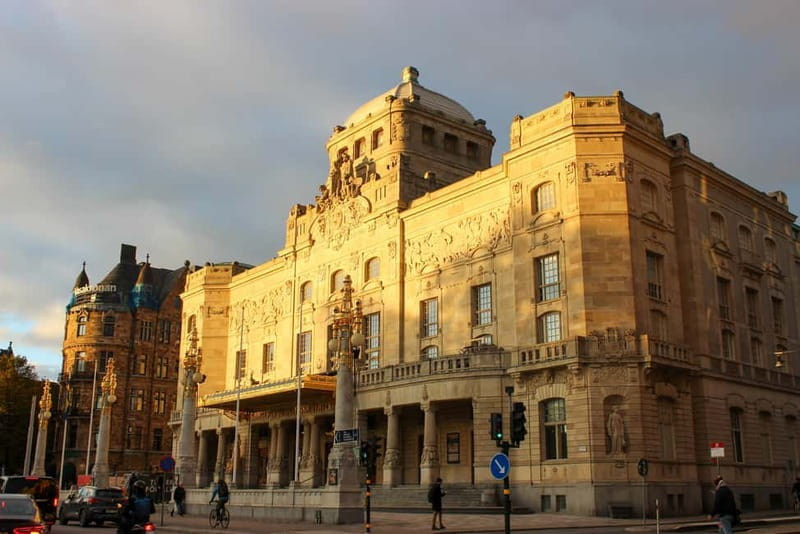
- Strandvägen and the Royal Dramatic Theatre
- Berns, Kungstradgarden, and city life outdoors
- The Royal Swedish Opera and Stockholm’s cultural center
- The National Museum sculpture garden finishes the walk
- What the tour does well, and where it moves quickly
- Price, group size, and practical comfort
- Who will enjoy this Stockholm design walk?
- Should you book the Östermalm architecture tour?
- FAQ
- Where does the tour start?
- Where does the tour finish?
- How long does the tour last?
- What language is the tour conducted in?
- Is the tour wheelchair accessible?
- What is included in the price?
Key points to know before you book
- Start beneath Stockholm’s mushroom-shaped Svampen: Meet under the raincover at Stureplan, 5 to 10 minutes early, and look for the guide wearing a neon name-tag lanyard.
- Follow Stockholm’s New City from the 1800s onward: The route explains how Östermalm developed into a center for fashion, architecture, and Swedish design.
- Visit two major design shops: Nordiska Galleriet and Svenskt Tenn provide a useful look at the country’s furniture and interior style.
- Pause at Östermalm’s Food Market: You get time for local snacks and a look at the regional food sold inside the historic market hall.
- Connect culture with famous places: The Royal Dramatic Theatre, Ingmar Bergman, Kungsträdgården, the Royal Swedish Opera, and the National Museum all appear on the route.
- Expect a walking tour with a broad subject list: Comfortable shoes and weather protection matter, since the experience moves outdoors between short stops.
Why Östermalm makes a smart starting point
Östermalm is a good place to study Stockholm because it brings together several sides of the city. You see formal streets, elegant buildings, major cultural institutions, polished shops, and food traditions within a compact area.
The route begins at Svampen, the mushroom-shaped raincover at Stureplan. It is an easy landmark to spot, but do not cut your arrival close. The meeting instructions ask you to arrive 5 to 10 minutes early and find the guide by the neon lanyard.
From here, the tour looks at Stockholm’s New City, with attention to development from the 1800s onward. That time frame helps explain why the streets feel so different from older parts of Stockholm. Instead of focusing only on individual buildings, you get a sense of how architecture, commerce, fashion, and public life changed together.
I find this approach useful if you are interested in design but do not want a lecture filled only with dates and names. The guide’s job is to connect the façades to the people and ideas behind them.
A few more ways to spend a day in Stockholm
- Stockholm: City Archipelago Sightseeing Cruise with Guide
★ 4.3 · 10,798 reviews - Stockholm: Skansen Open-Air Museum Admission Ticket
★ 4.5 · 3,427 reviews - Stockholm: Archipelago Boat Tour
★ 4.4 · 3,110 reviews
Stureplan and the story behind Danileuska Huset
The first main stop is Stureplan, where you have about 30 minutes for sightseeing, photographs, and guided explanation. The square is one of Östermalm’s best-known meeting points, and it gives you a quick introduction to the district’s polished, upscale character.
A featured building here is Danileuska Huset. Its façade becomes a starting point for discussing the architectural changes that shaped Stockholm from the 19th century onward. The tour is not simply a photo stop. You are encouraged to look closely at the buildings and consider how design choices communicate status, taste, and modernity.
This is also a practical point to settle into the walking rhythm. The tour covers a lot of ground, and the guide may move between broad context and small visual details. Keep your phone or camera ready, but do not expect long periods for carefully staged photographs.
Östermalmshallen, where design meets Swedish food
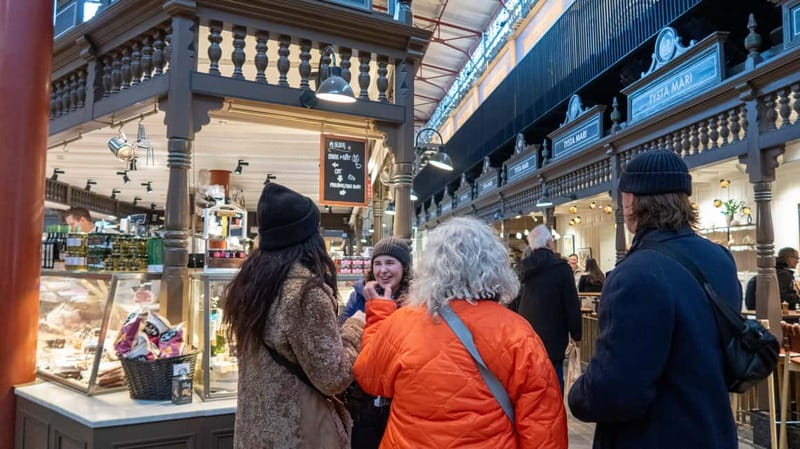
Östermalm’s Food Market, known as Östermalmshallen, is one of the most useful stops for understanding daily life in the district. You get about 30 minutes to visit the hall, browse its food stalls, and try local snacks or regional food.
This stop breaks up the architecture nicely. Buildings can tell you how a city presents itself, but a food market shows how people shop, eat, and gather. The hall also gives you a chance to look at the design of a working public space rather than only grand cultural buildings.
You should think of the food portion as a market visit, not a full meal included in the ticket. The experience includes access to the food market and local snacks, but it does not promise a set lunch or tasting menu. If you are hungry, you may want to budget extra for something to buy inside.
The half-hour timing is enough to get a feel for the market, but it may feel short if you want to shop, eat, and listen closely at the same time. I would keep your food choices simple and save a longer meal for later.
Östermalm’s design shops and Swedish style
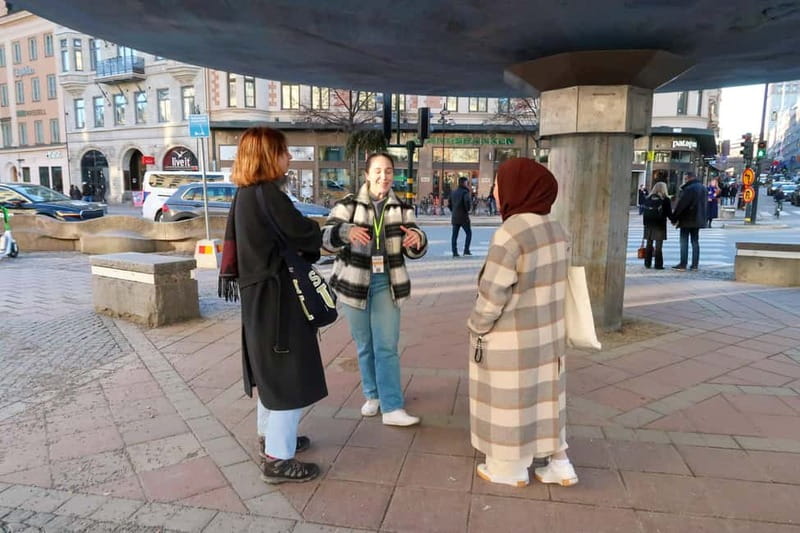
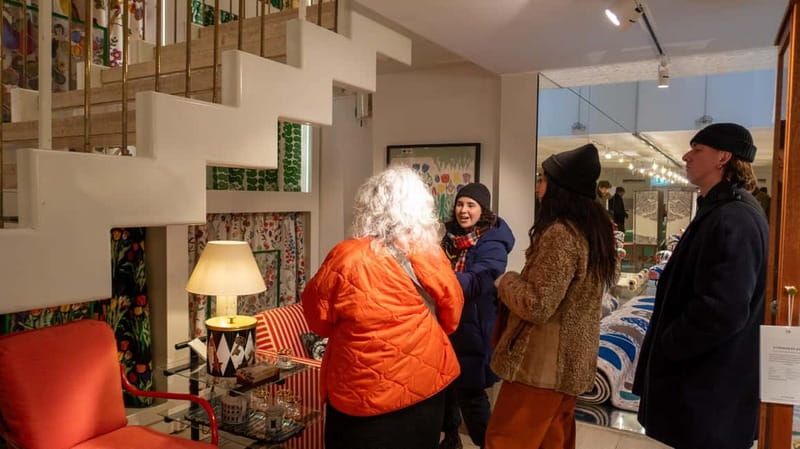
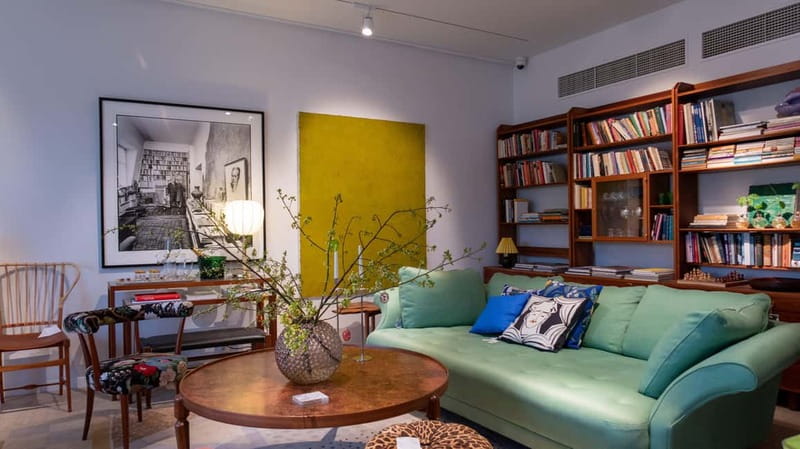
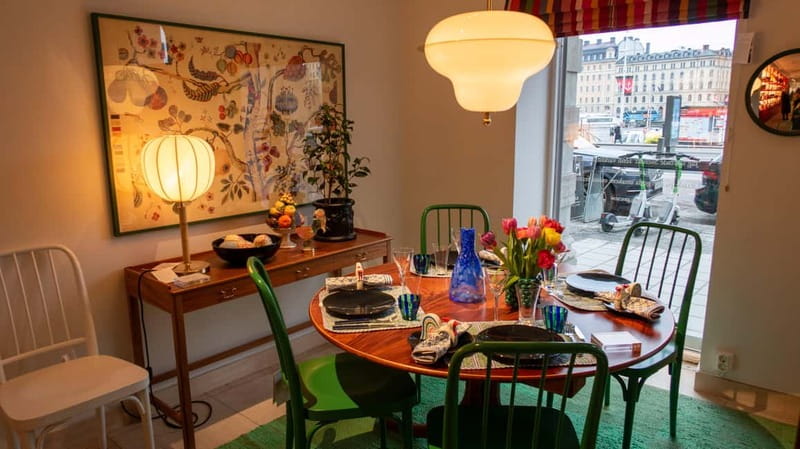
The tour continues through the Östermalm district, with time for shopping and visits to two well-known design households: Nordiska Galleriet and Svenskt Tenn.
These shops are valuable stops even if you are not planning to buy anything. They show how Swedish design moves from an idea on paper into furniture, lighting, textiles, and home objects. You can compare the shops’ different visual approaches and get a clearer sense of why Swedish interiors are so influential.
The visit is also a reminder that design in Stockholm is not limited to museums. It appears in shops, homes, offices, restaurants, and public spaces. If you are looking for souvenirs, these stores may provide inspiration, but prices can be high. Treat the visit as a chance to see design in use rather than assume it is a budget shopping stop.
The guide can help you notice details that are easy to miss when browsing alone. Ask questions about materials, patterns, Swedish designers, or the difference between decorative and practical design. The small group makes this kind of conversation easier.
A completely different kind of day out around Stockholm:
- Stockholm: Highlights Boat Tour
★ 4.3 · 2,542 reviews - Stockholm Pass: Save up to 50% – Includes Vasa Museum Ticket
★ 4.1 · 2,392 reviews - Stockholm: Ghost Walk and Historical Tour
★ 4.7 · 2,206 reviews - Walking Tour of Stockholm Old Town
★ 5.0 · 1,175 reviews
Strandvägen and the Royal Dramatic Theatre
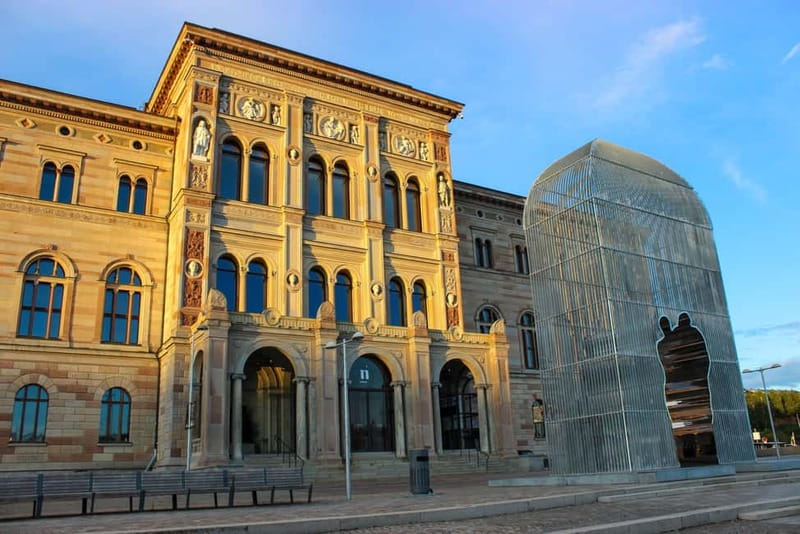
Strandvägen is one of the most scenic stretches of the walk. The tour allows about 15 minutes for a break, photographs, guided sightseeing, and views along the way.
This is where the route slows slightly and gives you room to appreciate the setting. You will see how Stockholm combines water, open views, and carefully designed urban streets. Bring sunglasses and a hat in bright weather, but also carry an umbrella or rain gear because the tour runs outdoors.
The next stop is the Royal Dramatic Theatre, with about 15 minutes for photographs and commentary. The theatre adds an important performing-arts angle to the tour. The experience also connects the theatre with Ingmar Bergman, one of Sweden’s best-known cultural figures.
You should not expect a performance or a long interior visit here. The focus is on the building, its artistic role, and the wider connection between architecture and Swedish theatre. It is a short stop, but it helps show that Stockholm’s design identity belongs to the stage as much as to furniture stores and museums.
Berns, Kungstradgarden, and city life outdoors
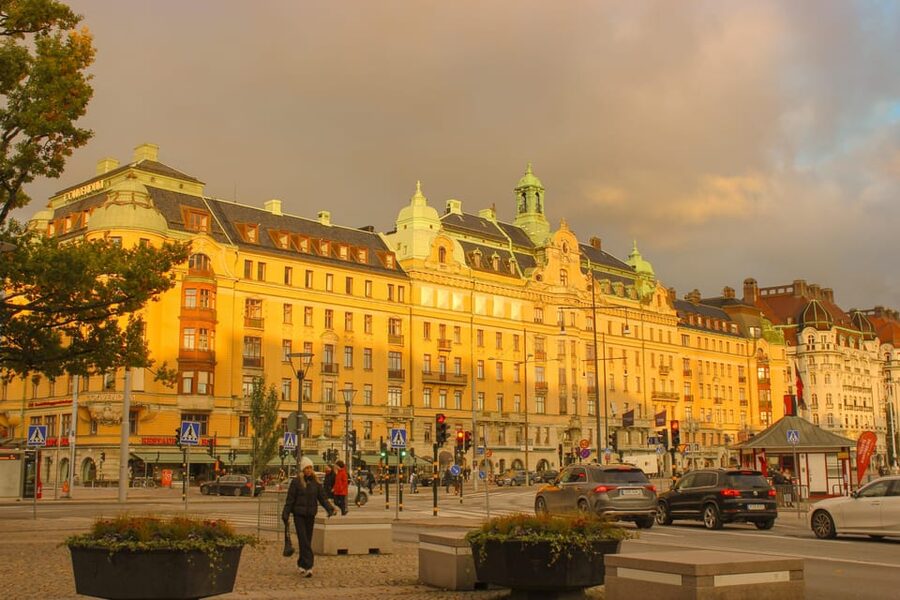
Berns Hotel appears along the route as another example of Stockholm’s historic hospitality and social life. The exact amount of time spent here is part of the wider walking sequence rather than a separate long visit, so expect to pass through and hear the guide explain its place in the city.
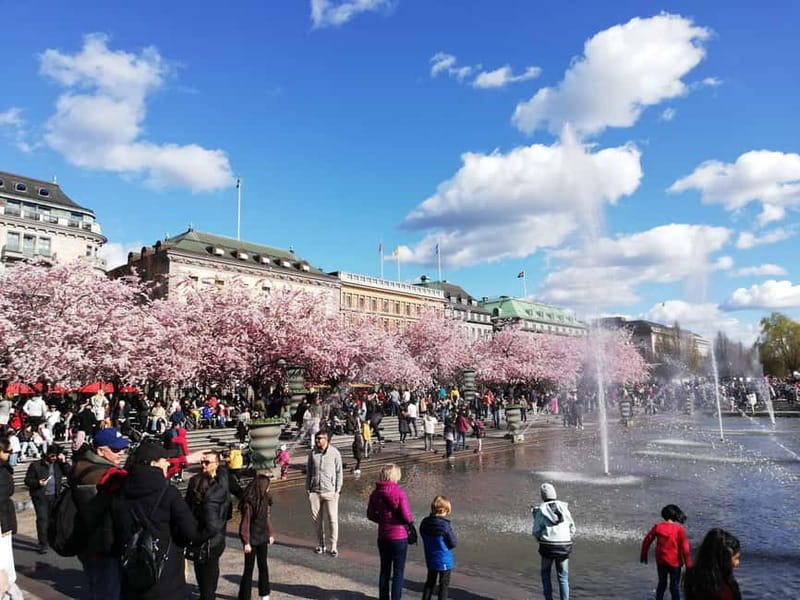
From there, the route reaches Kungstradgarden Park. You get about 10 minutes for a visit, photographs, a walk, and sightseeing. The park gives you a different view of Stockholm’s public design. Instead of examining a single façade, you see how paths, open space, buildings, and city movement work together.
The short timing means you will get an overview, not a slow park stroll. Still, this is a useful contrast with Östermalm’s formal streets and design shops. It shows how public spaces can shape the feel of a city just as strongly as monuments do.
The Royal Swedish Opera and Stockholm’s cultural center
The route continues to the Royal Swedish Opera, with about 15 minutes for walking and sightseeing. Like the Royal Dramatic Theatre, the opera house represents Stockholm’s long connection with performance and the arts.
Together, the two theatres help frame the city as a place where architecture supports cultural life. You are not only looking at buildings as objects. You are considering how people use them for music, drama, ceremony, and public gathering.
This section is especially helpful if you enjoy connecting visual art with music and theatre. If your main interest is interior design, the stop may feel more general. If you like city stories, it adds another layer to the route.
The National Museum sculpture garden finishes the walk
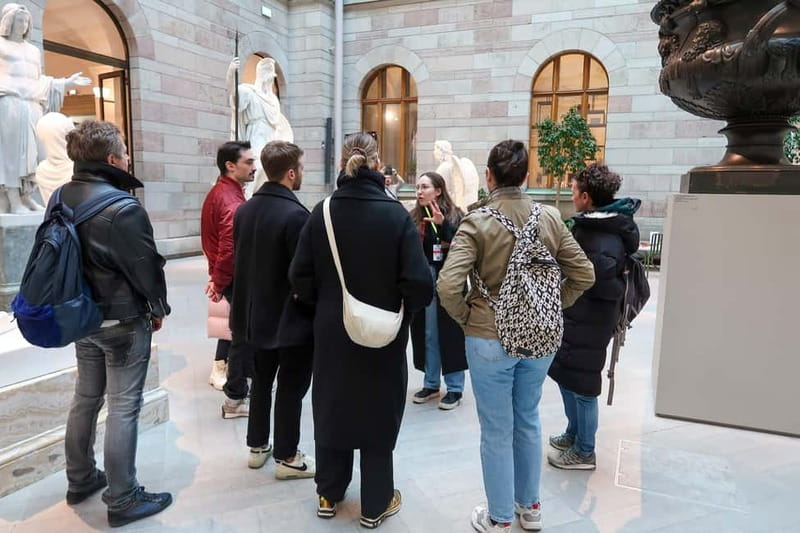
The tour finishes at the National Museum, with a short visit to its sculpture garden. The final stop includes photographs, guided sightseeing, and scenic views. The supplied timing lists about five minutes here, so you should not plan on exploring the museum’s full collection during the tour.
That short stop still has value. The sculpture garden gives you an outdoor introduction to the museum and provides a natural endpoint after the route’s focus on buildings, interiors, theatre, and public spaces.
There is one practical detail to check before booking. The route information identifies the National Museum as the finish, while the meeting-point information says the activity ends back at the meeting point. Confirm the exact end location with the operator, XperienceSthlm, before you arrange your next activity.
What the tour does well, and where it moves quickly
The biggest strength is its range. In three hours, you move from architecture to food, from fashion to theatre, and from design stores to public art. That makes the tour a good choice if you want a broad picture of Stockholm’s style rather than a single-subject lecture.
The guide is another important part of the experience. The tour is led in English by a local expert in art history, architecture, and Swedish design. One guide named in the feedback is Franky, who was praised for explaining the different sides of Swedish art, design, and architecture clearly. Olesia was also singled out for being friendly, kind, and willing to answer questions. Those details suggest that the human side of the tour can make a real difference.
The route has limits. Several stops last only 5 to 15 minutes, and the topics are broad. You may leave with many new names and ideas but still want to visit a museum or design shop on your own. One earlier version of the experience was described as too short for its wide subject list, which is a useful warning even though the current tour lasts three hours.
Think of this as a guided orientation. It helps you decide what deserves a longer visit later.
Price, group size, and practical comfort
At $66 per person, the tour is not the cheapest way to walk around Stockholm. Its value comes from the guide, the small group, the focused route, the two design-shop visits, and the food market stop. If you would otherwise spend hours trying to understand the connections between these places, the price can make sense.
A group limited to 10 people is a real advantage. You can hear the guide more easily, ask questions, and stay connected while walking. The tour also includes a separate entrance for a skip-the-line element, though the supplied details do not specify exactly which stop uses it. Do not assume this means every museum or attraction is entered without waiting.
The experience is wheelchair accessible, and the tour is conducted in English. Wear comfortable shoes and weather-appropriate clothing. The recommended list includes an umbrella, sunscreen, rain gear, a reusable water bottle, sunglasses, a sun hat, a charged smartphone, and personal medication.
Large bags and luggage are not allowed. Sandals and flip-flops are also prohibited, along with flash photography, tripods, video recording, strong fragrances, alcohol, drugs, weapons, and sharp objects. Unaccompanied minors cannot join. These rules are worth checking before you arrive, especially if you are carrying a daypack or camera equipment.
Free cancellation is available up to 24 hours before the start, and you can reserve now and pay later. That flexibility is useful when Stockholm’s weather or your wider schedule is still uncertain.
Who will enjoy this Stockholm design walk?
I would recommend this tour most strongly to first-time visitors who want a well-organized introduction to Stockholm’s cultural center. It suits anyone interested in architecture, interior design, fashion, public art, theatre, or Swedish food culture.
It is also a good match for people who enjoy asking questions. The small group and live guide make the experience more personal than simply following a self-guided route on your phone.
You may want a different activity if you prefer long museum visits, a focused architectural study, or a relaxed food tour. The schedule is active, and the subject changes often. Families with young children should also consider the walking pace and the rule that unaccompanied minors are not permitted.
Bring a charged phone for photos, but do not rely on recording the whole tour. Video recording and tripods are not allowed. The best way to use the experience is to listen, take a few photographs, and note the places you want to revisit.
Should you book the Östermalm architecture tour?
Book it if you want to see how Stockholm’s design identity works across streets, shops, markets, theatres, parks, and museums. The strongest features are the small group, the broad route, the market visit, and the guide-led connections between Swedish design and everyday city life.
Skip it if you want a slow, detailed visit inside each museum or a full meal built into the experience. This is a three-hour overview with several quick stops, not an all-day architecture course.
For most art and design-minded visitors, I think the tour earns its $66 price when used as a first look at Stockholm. Take notes on what catches your eye, then return later to the National Museum, Östermalm’s shops, or the market at your own pace.
FAQ
Where does the tour start?
The tour starts beneath the raincover called Svampen at Stureplan. Arrive 5 to 10 minutes early and look for the guide wearing a neon name-tag lanyard.
Where does the tour finish?
The route information lists the National Museum as the final stop. The meeting-point information says the activity ends back at the meeting point, so confirm the exact finish location with XperienceSthlm before booking another activity.
How long does the tour last?
The tour lasts three hours. Starting times vary, so check availability when choosing your date.
What language is the tour conducted in?
The live tour guide speaks English.
Is the tour wheelchair accessible?
Yes, the activity is listed as wheelchair accessible.
What is included in the price?
The price includes a local expert guide focused on art history, architecture, and Swedish design, visits to two well-known design shops, a visit to Östermalm’s Food Market, and a visit to the National Museum’s sculpture garden.
Recently added around Stockholm
- ROYAL Castle Skokloster and Viking Sigtuna (private tour)★ 4.5 · 3 reviews
- Stockholm Ghost Hunt: Self-Guided Tour and Puzzle Adventure★ 4.5 · 3 reviews
- Stockholm Port to Stockholm Arlanda Airport (ARN) – Departure Private Transfer★ 3.5 · 3 reviews
- Private Photography workshop in Stockholm★ 5.0 · 3 reviews
- Ghosts of Stockholm: A Guided Tour of Horror and Dark Folklore★ 4.5 · 3 reviews
- Private blood, ghosts and folklore Old Town 2h Stockholm tour★ 4.0 · 3 reviews
- Stockholm- Private transfer to/from Arlanda Airport and city★ 5.0 · 3 reviews
- Stockholm Arlanda airport to City center of Stockholm★ 3.3 · 3 reviews
Tours, compared.



The Original Stockholm Ghost Walk and Historical Tour – Gamla Stan
Read our review →
Browse the lists this tour appears in