
Reviewed · STOCKHOLM
Traditional Persian Cooking Class in Stockholm with a Local
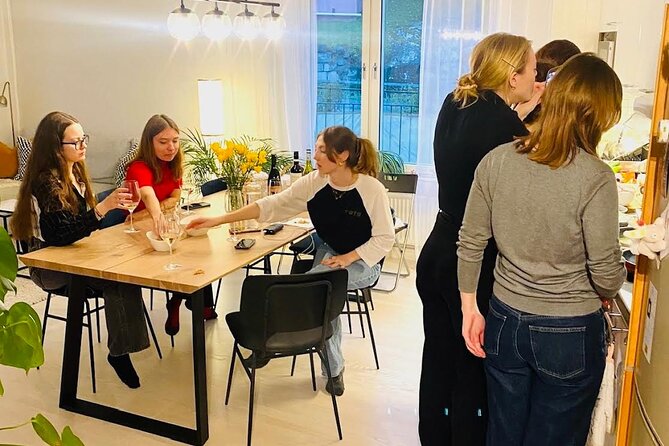
Come hungry, leave with new kitchen skills. This private Persian cooking class gives you a rare look at Iranian food culture inside Mahnaz’s home in Bromma, just outside central Stockholm. I like the hands-on format, where you help make two dishes from scratch, and I like the warm personal setting, where food comes with stories about Persian ingredients and customs. The one drawback is the location: you need to make your own way to Mariehällsvägen rather than count on hotel pickup.
The class lasts about three hours, with roughly 1.5 hours spent cooking before you sit down to eat. At $112 per person, it is not a quick or cheap meal, but the price includes a private class, the full meal, alcoholic drinks, dessert, taxes, fees, and gratuities. For you, the real value is the time with Mahnaz and the chance to learn dishes you might not encounter in an ordinary Stockholm restaurant.
In This Review
- Key points to know before booking
- Why Persian food makes this Stockholm class special
- Arriving in Bromma and meeting Mahnaz
- The 1.5-hour cooking session
- Fesenjan and Persian-style rice
- Zereshk polo ba morgh
- Stuffed eggplant
- Kashk-e bademjan
- Salad Shirazi
- Sitting down to the Persian meal
- What the personal stories add
- Price, private format, and overall value
- Dietary needs and seasonal changes
- Who should book this experience
- Booking details worth noting
- Should you book Mahnaz’s Persian cooking class?
- FAQ
- Where does the Persian cooking class take place?
- How long does the experience last?
- What dishes can I learn to prepare?
- Are vegetarian and vegan meals available?
- Are drinks and dessert included?
- Can I cancel or change my booking?
Key points to know before booking
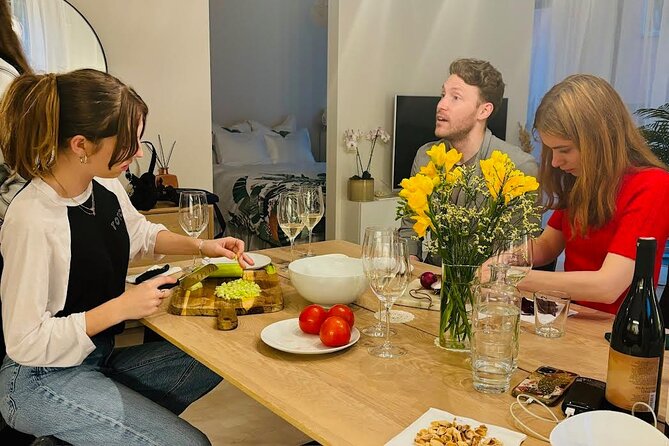
- Cook in Mahnaz’s private home: This is a personal food experience rather than a standard group lesson or restaurant demonstration.
- Make two Persian dishes from scratch: Your choices may include fesenjan, zereshk polo ba morgh, stuffed eggplant, kashk-e bademjan, or salad Shirazi.
- Enjoy a full meal afterward: You eat the food you helped prepare at Mahnaz’s dining table, with wine and Persian ice cream.
- Expect a short trip from central Stockholm: The meeting point is on Mariehällsvägen in Bromma, near public transportation.
- Ask ahead about dietary needs: Vegetarian and vegan meals are available if requested at booking, and the menu can change with the season.
- Allow for a firm booking decision: The experience is non-refundable and cannot be changed after booking.
Why Persian food makes this Stockholm class special
Stockholm has no shortage of polished restaurants, but a meal in a local home gives you a different kind of access. You are not simply ordering a dish and reading a menu description. You are learning how Persian food is assembled, seasoned, and served from someone who connects the recipes to her own background.
Mahnaz’s cooking also gives you a practical introduction to ingredients that may be less familiar. Ground walnuts and pomegranate paste bring a sweet and sour character to fesenjan. Barberries provide a sharp, fruity note in zereshk polo ba morgh. Fresh herbs, Persian cucumber, garlic, eggplant, saffron, pistachio, and rose water each add a distinct part of the meal.
One of the strongest parts of the experience is the exchange of stories. Mahnaz’s love of her homeland comes through in her cooking and conversation, which helps the class feel like a cultural visit rather than a recipe workshop. I would choose this for the human connection as much as for the food.
The private format matters, too. Only your group participates, so you can ask questions at your own pace. You do not have to compete with a large class for attention or sit through a demonstration aimed at strangers with different cooking interests.
A few more ways to spend a day in Sweden
- Private Photography workshop in Stockholm
★ 5.0 · 3 reviews
Arriving in Bromma and meeting Mahnaz
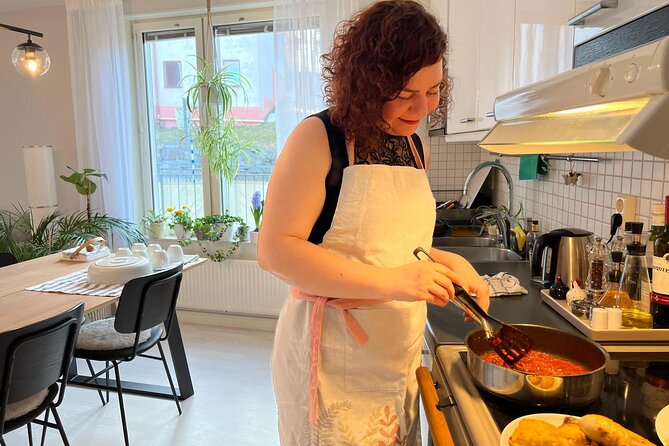
The class begins at Mariehällsvägen in Bromma, Sweden. The meeting point is near public transportation, but hotel pickup and drop-off are not included, so you need to plan this part yourself.
The ride from Stockholm’s center is described as short, but you should still allow enough time to reach a residential address without rushing. A cooking class is more enjoyable when you arrive ready to talk and work, rather than hurrying through the door with your phone in hand and your route still open.
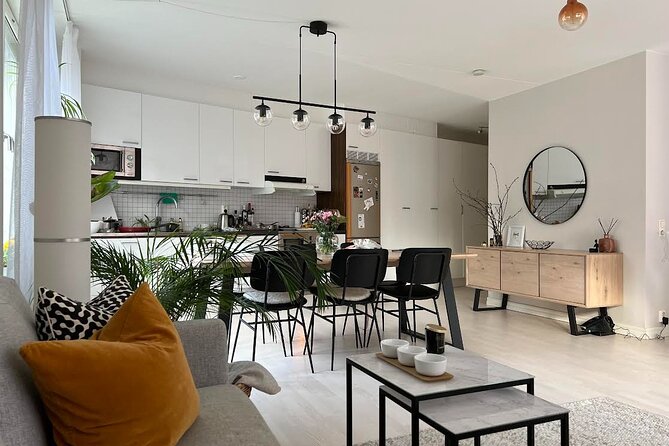
The setting is part of the appeal. You are entering a local home, not a purpose-built cooking school. That means the atmosphere should feel more personal and informal, although it also means the experience may not have the polished layout or large professional kitchen you would find in a commercial class.
Mahnaz hosts the entire visit, guiding the cooking and sharing the meal afterward. The experience is offered in English, making it suitable if you want cultural context along with the food and do not speak Persian or Swedish.
The 1.5-hour cooking session
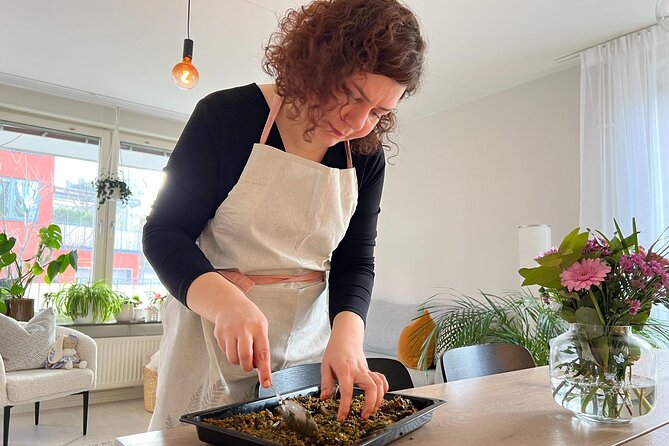
The hands-on cooking portion lasts about 1.5 hours. Mahnaz guides you through preparing two dishes from the available menu, with the exact choices shaped by the season and your preferences.
That length gives you enough time to take part, but it is not a full professional cooking course. You should expect a friendly introduction to selected Persian dishes, not training in every technique used across Iranian cuisine.
The best approach is to stay active. Ask why a particular spice is used, how the dish is balanced, and what makes a Persian preparation different from a familiar European one. The class is designed around making food together, so your questions can add as much value as the written recipe.
Fesenjan and Persian-style rice
Fesenjan is one of the most distinctive possible choices. This stew combines ground walnuts, pomegranate paste, and poultry, creating a thick sauce with a balance of savory, nutty, and sour-sweet flavors.
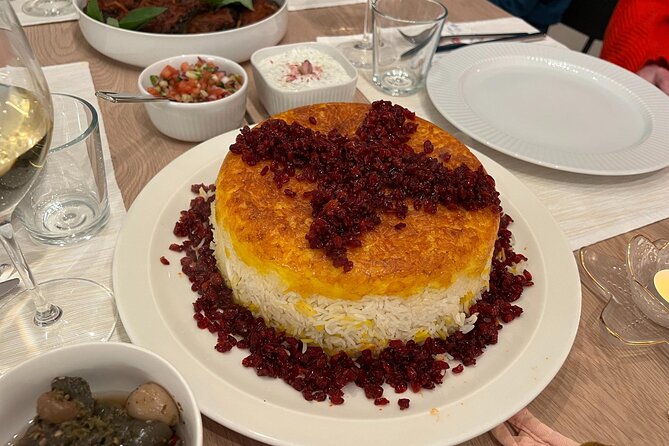
It is served with Persian-style rice. If the dish is prepared in the class, you may also encounter tahdig, the prized crisp layer of rice formed at the bottom of the pot. Tahdig is the sort of detail that makes a home-cooked Persian meal memorable, because it is not just a side dish. It is a special part of the rice preparation and often the most eagerly claimed portion at the table.
A completely different kind of day out around Sweden:
- Stockholm: City Archipelago Sightseeing Cruise with Guide
★ 4.3 · 10,798 reviews - Stockholm: Skansen Open-Air Museum Admission Ticket
★ 4.5 · 3,427 reviews - Stockholm: Archipelago Boat Tour
★ 4.4 · 3,110 reviews - Stockholm: Highlights Boat Tour
★ 4.3 · 2,542 reviews
Zereshk polo ba morgh
Zereshk polo ba morgh pairs chicken with barberry rice. The barberries give the rice a bright, tart flavor, while pistachios and almonds add crunch and a gentle nutty note.
This is a useful dish for understanding how Persian food can be both delicate and full of contrast. The ingredients do not simply pile on heat. Instead, the dish works through texture, color, sweetness, acidity, and fragrance.
Stuffed eggplant
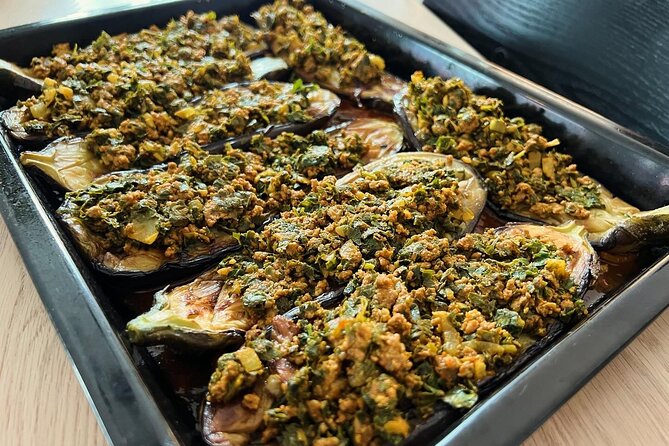
Another possible main course is stuffed eggplant, filled with minced meat, parsley, and tomato paste inside tender eggplant shells. The dish offers a more familiar starting point for anyone who enjoys Mediterranean or Middle Eastern food, while still showing Persian seasoning and preparation.
Eggplant can be soft, rich, and easily overwhelmed by heavy sauces. The balance with herbs and tomato paste is what makes this preparation worth learning at home, where you can see how the filling and vegetable are brought together.
Kashk-e bademjan
Kashk-e bademjan is a creamy eggplant dip made with eggplant, garlic, and whey. It is served with traditional flatbread, making it an ideal shared dish during the cooking session or as part of the final meal.
The whey gives the dip a tangy, savory edge. If you have never tasted kashk before, this is a good chance to ask Mahnaz about its role in Persian cooking and how the flavor differs from a more familiar yogurt-based dip.
Salad Shirazi
Salad Shirazi brings freshness to the table. It combines Persian cucumber and tomato with finely chopped herbs such as mint and parsley, dressed with olive oil and lime or lemon juice.
This salad is simple, but it has an important job. Persian stews, rice, eggplant, and nuts can be substantial foods, so the cool cucumber, herbs, and citrus dressing keep the meal from feeling too heavy.
Sitting down to the Persian meal
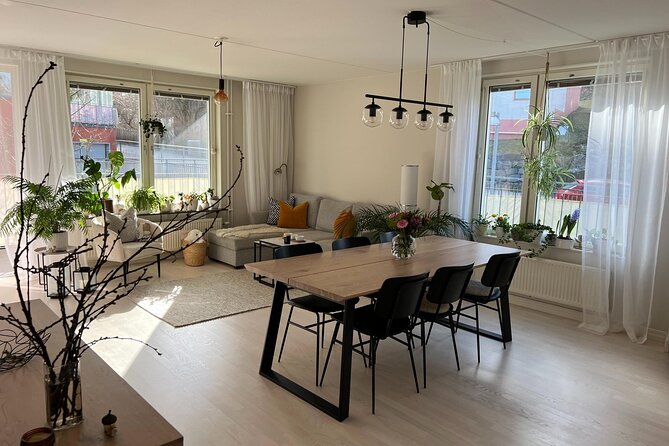
After cooking, you sit at the dining table with Mahnaz and eat the food you helped prepare. This is where the class shifts from instruction to conversation, and it is one reason the three-hour format offers better value than a short demonstration.
You are not just tasting a finished plate with no idea how it came together. You have handled the ingredients, followed the steps, and watched the separate parts become a meal. That connection makes the food easier to remember and gives you a better chance of repeating some of it at home.
Wine is included, along with dessert. Alcoholic drinks may not be central to Persian culinary tradition, but their inclusion makes the evening feel like a hosted meal rather than a lesson that ends as soon as the cooking is done.
Persian ice cream may finish the meal in saffron, pistachio, or rose water flavors. These are not ordinary vanilla-and-chocolate choices. Saffron brings fragrance and color, pistachio gives a roasted nuttiness, and rose water provides a floral note. If you enjoy trying unfamiliar desserts, this is a fitting end to the class.
What the personal stories add
Food classes can sometimes become a list of ingredients followed by a quick plate of food. This experience has more character because Mahnaz shares stories about Persian culinary traditions, ingredients, and culture while she cooks.
That conversation is especially valuable when an ingredient does not have an obvious substitute or familiar comparison. You can learn why barberries appear in rice, how pomegranate paste changes a stew, and why tahdig is treated as a prized part of the meal.
The personal setting also gives you room to ask about everyday food customs. The supplied details do not promise a formal lecture on Iranian history or a fixed cultural program, so you should book this for an informal exchange rather than a structured academic presentation.
The strongest praise for Mahnaz centers on her warmth, cooking, and storytelling. I would take that seriously. A host can know every recipe and still make a class feel stiff. Here, the available comments point to someone who makes people feel welcome and who takes real pride in sharing her food.
Price, private format, and overall value
The price is $112 per person. That is a considerable amount for a three-hour activity, especially if you are comparing it with a simple restaurant lunch. The comparison is not quite fair, though, because this includes a private cooking class, a complete meal, alcoholic drinks, dessert, taxes, fees, and gratuities.
The private format is the key value. Only your group takes part, so you are paying for personal attention and a hosted meal, not just ingredients and a seat. For a couple, family, or small group that enjoys food and conversation, the cost can make sense.
I would be more cautious if you mainly want to eat Persian food without cooking. In that case, a restaurant may be cheaper and more efficient. This class asks you to spend part of your visit preparing the meal, which is the point, but not everyone wants to work before dinner.
The experience is also best for people who value a local connection. If you want a quick activity close to Stockholm’s main sights, Bromma adds travel time and planning. If you are happy to make a short trip outside the center for a private meal in a local home, the setting becomes part of what you are paying for.
Dietary needs and seasonal changes
Mahnaz can provide vegetarian and vegan meals, but you need to request this at the time of booking. The same advice applies to allergies, dietary restrictions, and cooking preferences.
Do not wait until you arrive to mention a serious food concern. Persian cooking may include dairy, poultry, meat, nuts, and other ingredients, depending on the dishes selected. Early notice gives the host a chance to plan a suitable menu.
The menu may also change with the season. That is a positive sign for a home-cooked experience, since the food can reflect what is available, but it means you should not treat every sample dish as guaranteed.
If you have your heart set on fesenjan, zereshk polo ba morgh, or a particular dessert flavor, ask about the current menu when booking. The class promises two dishes from the menu, not every dish listed in the examples.
Who should book this experience
I would recommend this class to:
- Couples seeking a personal evening away from the usual Stockholm sightseeing route.
- Small groups who enjoy cooking together and want a private setting.
- Food-focused visitors curious about Iranian ingredients and cooking traditions.
- People who prefer conversation and cultural exchange over a formal tour.
- Vegetarians and vegans who notify the host in advance.
- Anyone who wants to learn dishes they can try again at home.
I would think twice if you dislike eggplant, nuts, tart flavors, herbs, or unfamiliar desserts. The menu includes several ingredients that define Persian cooking, so this is not the best choice for a cautious eater who wants plain, familiar food.
It may also disappoint you if you expect a large cooking school with professional equipment, printed instruction, or a long series of recipes. The appeal is smaller and more personal: two dishes, a host, a meal, and conversation.
Booking details worth noting
Confirmation is sent within 48 hours of booking, subject to availability. Since the experience averages 20 days of advance booking, I would reserve ahead if your Stockholm dates are fixed.
The booking is non-refundable and cannot be changed for any reason. That is the main practical risk, so make sure your schedule, group size, and dietary requests are settled before paying.
The activity begins and ends at the same meeting point on Mariehällsvägen. There is no hotel pickup or drop-off, but the location is near public transportation. It is offered in English and includes a mobile ticket.
The experience has a 4.9 rating from 20 reviews, with 100 percent of participants recommending it. The most strongly praised qualities are Mahnaz’s welcome, her cooking, her storytelling, and the quality of the food. Those are exactly the parts that make this class worth considering.
Should you book Mahnaz’s Persian cooking class?
Book it if you want more than a meal. You will spend about three hours learning, cooking, talking, and then eating Persian food at a local table. The private setting, personal stories, and chance to work with dishes such as fesenjan, barberry rice, kashk-e bademjan, and salad Shirazi give the experience a clear sense of place.
Skip it if you want a low-cost lunch, a central location, or a fully structured culinary course. The price is fair for a private class with drinks and dessert, but only if you value the personal hosting and hands-on time.
For food-minded visitors with room in the budget, I would make the short trip to Bromma. Mahnaz’s warmth and pride in Persian cooking seem to be the heart of the evening, and that is difficult to reproduce in a standard restaurant.
FAQ
Where does the Persian cooking class take place?
The class takes place at Mahnaz’s home on Mariehällsvägen in Bromma, Sweden. The location is near public transportation.
How long does the experience last?
The full experience lasts approximately three hours. About 1.5 hours is devoted to hands-on cooking, followed by the meal.
What dishes can I learn to prepare?
You can choose two dishes from the available menu. Possible dishes include fesenjan, zereshk polo ba morgh, stuffed eggplant, kashk-e bademjan, and salad Shirazi. The menu may vary by season.
Are vegetarian and vegan meals available?
Yes. Vegetarian and vegan meals are available on request. You should mention this, along with allergies or other dietary restrictions, when booking.
Are drinks and dessert included?
Yes. Alcoholic beverages and Persian ice cream are included. Possible ice cream flavors include saffron, pistachio, and rose water.
Can I cancel or change my booking?
No. The experience is non-refundable and cannot be changed for any reason. Confirmation is sent within 48 hours of booking, subject to availability.
Recently added around Sweden
- ROYAL Castle Skokloster and Viking Sigtuna (private tour)★ 4.5 · 3 reviews
- Stockholm Ghost Hunt: Self-Guided Tour and Puzzle Adventure★ 4.5 · 3 reviews
- Stockholm Port to Stockholm Arlanda Airport (ARN) – Departure Private Transfer★ 3.5 · 3 reviews
- Ghosts of Stockholm: A Guided Tour of Horror and Dark Folklore★ 4.5 · 3 reviews
- Private Photography workshop in Stockholm★ 5.0 · 3 reviews
- Private blood, ghosts and folklore Old Town 2h Stockholm tour★ 4.0 · 3 reviews
- Stockholm- Private transfer to/from Arlanda Airport and city★ 5.0 · 3 reviews
- Family Packraft tour in Sälen★ 5.0 · 3 reviews