
Reviewed · VIKING HISTORY TOURS
From Stockholm: Viking Culture Guided Tour with Transfer
Viking history begins outside the city. This six-hour trip takes you into the Swedish countryside, where real rune stones, grave fields, and old roads make the past easier to picture than any museum display. I especially like the mix of outdoor sites and Sigtuna’s pretty streets, and I like that local guides such as Olof, Gabriel, Eric, Calle, and Charlotte bring Sweden’s wider story into the conversation. The main drawback is that some stops are brief, and Sigtuna’s 45-minute guided walk may feel short if you want plenty of free time.
At $193 per person, this is not a cheap outing, but it includes hotel or cruise pickup, transport, and a full day with a dedicated guide. You should also plan for lunch separately and wear shoes that can handle lightly rugged ground. This is a history tour first, with scenery and town time adding welcome variety.
In This Review
- Key points to know before you book
- Leaving Stockholm for the Runic Kingdom
- Broby bro and the story of Estrid
- Jarlabanki’s 150-meter causeway
- The preserved Viking council site
- Sigtuna, Sweden’s oldest still-existing town
- What the guides add to the day
- Is $193 a fair price?
- Who should take this Viking tour?
- Final verdict: book it for context, not spectacle
- FAQ
- How long is the Viking culture tour from Stockholm?
- Where does pickup take place?
- Is transportation included?
- Is the tour conducted in English?
- Which historical sites are visited?
- How much walking is involved?
- Is lunch included?
- Can I visit Sigtuna independently during the tour?
- Is the tour suitable for young children?
- Can I cancel the booking?
Key points to know before you book
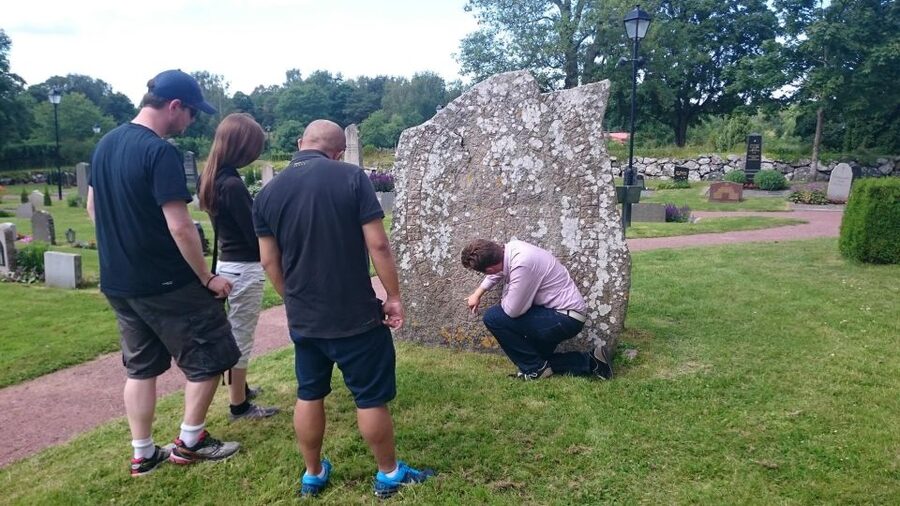
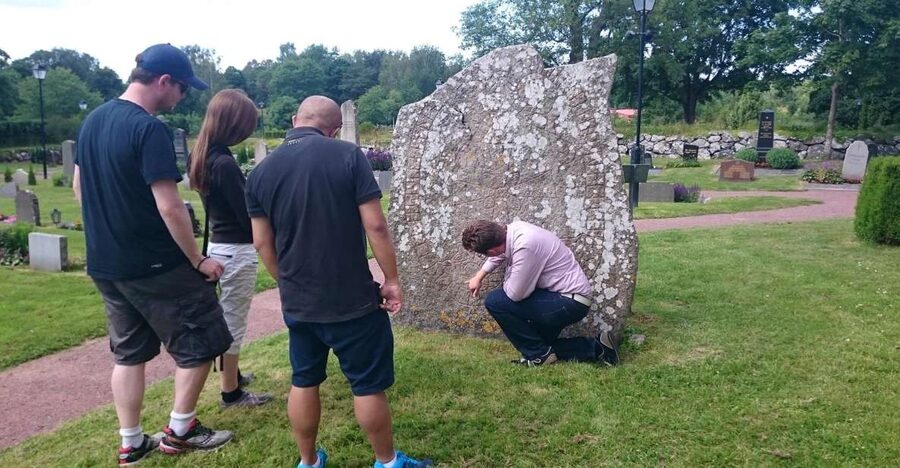
- Broby bro reveals Viking burial customs: Walk among an Iron Age and Viking Age grave field where people were buried for more than 1,000 years.
- Estrid gives the tour a human face: Learn how a woman’s skeleton, found in 1995, helped historians reconstruct her life.
- Jarlabanki’s causeway shows power in practical form: The 150-meter bridge was both a road project and a public display of status.
- A Viking council explains how society worked: The preserved meeting place helps connect stones and ruins with rules, authority, and daily life.
- Sigtuna brings the history into a living town: Expect wooden houses, church ruins, the bay, and a short guided walk through Sweden’s oldest still-existing town.
- The guides are a major strength: Gabriel, Eric, Calle, Olof, Charlotte, Nadia, Quentin, and others are praised for clear explanations, humor, and patience with questions.
Leaving Stockholm for the Runic Kingdom
The tour begins with pickup from a centrally located hotel, cruise accommodation, or Stockholm Central Station. Pickup can start from 0 to 60 minutes before the tour’s official departure, so you need to allow some flexibility. The vehicle is a minivan, which gives the outing a smaller feel than a large coach trip.
The drive is part of the experience. Stockholm is a beautiful city, but this tour makes a point of showing you what lies beyond it: open countryside, water, old roads, and rural communities connected to the capital’s past. You are not simply being taken from one attraction to another. The guide uses the journey to explain Swedish history, culture, and the Viking period.
Traffic can affect the schedule, especially during morning rush hour. I would avoid arranging a tight appointment immediately after the tour. The advertised duration is six hours, and the return can be to your hotel or another spot in central Stockholm, depending on the guide and the day’s timing.
English is the tour language. The guide is both driver and storyteller, so the quality of the day depends heavily on the person leading your group. The praise for guides is consistent: Gabriel is described as funny and well informed, Eric as gracious and vivid, and Calle as open to questions about both Swedish culture and history. That matters here because many of the sites are modest. A rune stone or grassy burial field needs explanation to become meaningful.
More Viking history:
- Stockholm: The Viking Museum Exhibition and Viking Ride
★ 4.5 · 667 reviews - Entrance ticket to The Viking Museum
★ 4.0 · 301 reviews - Viking History, Runes & Countryside 9h Tour to Sigtuna & Uppsala
★ 4.5 · 283 reviews
Broby bro and the story of Estrid
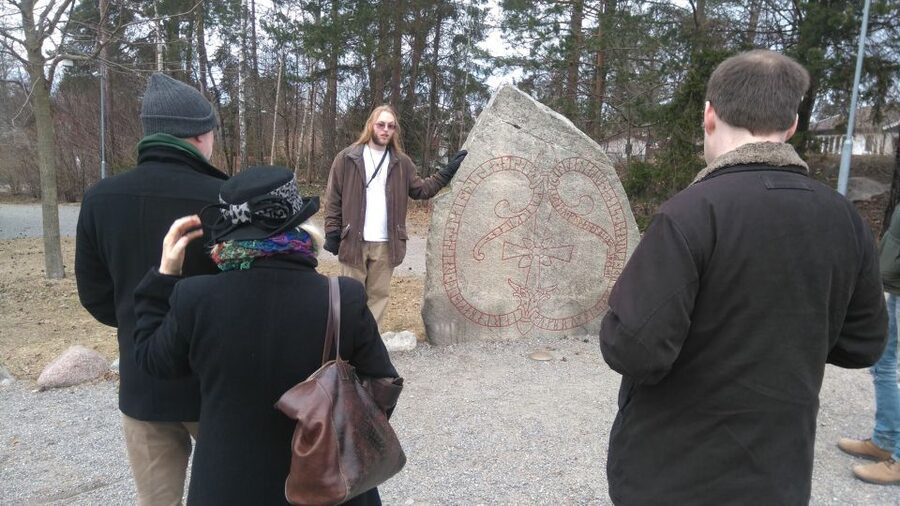
The first major stop is Broby bro, a grave field used for more than 1,000 years. You walk through an area connected to both the Iron Age and Viking Age, with burial remains that help explain how people treated death, family, and status.
This is not a reconstructed Viking village with actors, costumes, or staged battles. That is good news if you want a serious look at the past. The site is quieter and less theatrical. You are asked to imagine the rituals from the evidence still present in the ground and stones.
The guide explains Viking burial traditions and mythology, including how a person might be buried. This helps correct the popular image of Vikings as little more than raiders. The tour places them within a society with beliefs, customs, family ties, and ideas about the afterlife.
Estrid gives the stop a personal story. In 1995, a skeleton was found in a Christian part of the grave field and identified as a woman who lived to about 60. Historians connected her with the name Estrid and used work by the Stockholm County Museum to learn more about her life.
I like this part because it takes the subject away from famous male warriors. Estrid’s story reminds you that Viking Age history also includes women, older people, religious change, and ordinary communities. The Christian burial area adds another layer, showing that the period was not frozen in one set of pagan customs.
Expect some walking over lightly rugged ground. Good shoes are not a formality here. The tour does not involve a large amount of walking, but the outdoor stops are not all paved or perfectly smooth.
Jarlabanki’s 150-meter causeway
Next comes Jarlabanki’s Causeway, an 11th-century bridge associated with Earl Jarlabanki. The causeway stretches about 150 meters and offers a useful lesson in how roads and communication worked during the Viking Age.
The guide presents Jarlabanki as a powerful man who liked to display his importance. That detail gives the site some personality. A bridge was not just a practical crossing. It could also announce who had the money, labor, and authority to build it.
This is one of the tour’s best examples of how a simple structure can carry a larger story. You learn about bridge-building, roads, and movement, but also about power. A road connects people, goods, and messages. Someone who controls or funds that connection gains influence.
The causeway also helps break up the burial-site material. You are still outside, but the subject changes from death and ritual to engineering and public image. I appreciate that range. A tour that only visits runestones can become repetitive, while this stop shows another side of the period.
One practical point: guides sometimes explain the site while standing close to the main feature. That can make it harder to take photographs during the talk. If getting a clear picture matters to you, take a few shots before the explanation begins or ask for a moment afterward. It is a small issue, but it can affect how you experience outdoor monuments.
The preserved Viking council site
The tour then visits a Viking council preserved in its original location. This is where the guide connects physical remains with social organization.
The council site helps explain how Viking communities made decisions and governed themselves. You learn about Viking culture, society, and mentality through the way people gathered and ruled. It is an important correction to the idea that the Viking world was simply chaotic or ruled by constant violence.
Because the site has remained in place for around 1,000 years, the setting does some of the teaching. You are not looking at an object behind glass. You are standing where people once met. That sense of location gives the discussion weight, even when the remains are less dramatic than a large stone building.
This stop will suit you if you like context. If you want nonstop visual attractions, it may feel understated. The guide carries much of the interest, and that is why the strong response to guides such as Eric, Quentin, Nadia, and Jonathan matters. Quentin, in particular, is praised for his passion and for adapting the day around poor weather.
More drivers and transfers:
- Arlanda Airport Bus Transfer Departure
★ 3.5 · 497 reviews - Skavsta Airport Bus Transfer
★ 3.5 · 106 reviews - Stockholm- Private transfer to/from Arlanda Airport and city
★ 4.5 · 39 reviews - Stockholm City Departure Private Transfer to Stockholm Port by Luxury Van
★ 5.0 · 6 reviews
Sigtuna, Sweden’s oldest still-existing town
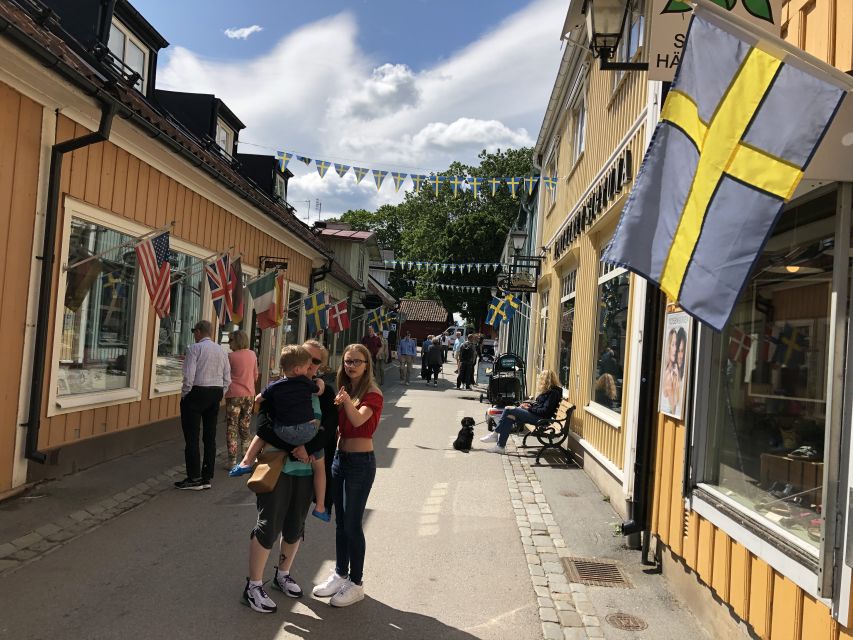
Sigtuna is the main attraction and the point where the tour shifts from scattered archaeological sites to a living historic town. It has about 8,000 inhabitants and is described as the oldest still-existing town in Sweden.
You spend around 45 minutes on a guided walk. The route includes views of Sigtuna Bay, streets lined with 18th-century wooden houses, and the romantic ruins of a 12th-century church. You can also visit or learn about the Sigtuna Museum, which holds more pieces of the town’s past.
Sigtuna gives you more visual variety than the earlier stops. The wooden houses are easy to appreciate, the bay adds a pleasant change of pace, and the church ruins show how the Christian era reshaped the region. After several sites that require careful listening, a town walk lets you simply look around and get a feel for the place.
The tradeoff is time. Forty-five minutes is enough for an introduction, but not enough for a leisurely visit to every street, museum display, and waterfront corner. One useful suggestion is to walk toward the lake if the schedule allows. The area by the water is described as especially peaceful, even though parts of Sigtuna can feel touristy.
Lunch is not included. A guide may suggest a restaurant, and Olof is praised for recommending a good place during one outing, but you should still budget separately. The restaurant has vegetarian dishes, which is helpful, though the available information does not specify a fixed lunch menu or a meal included in the price.
What the guides add to the day
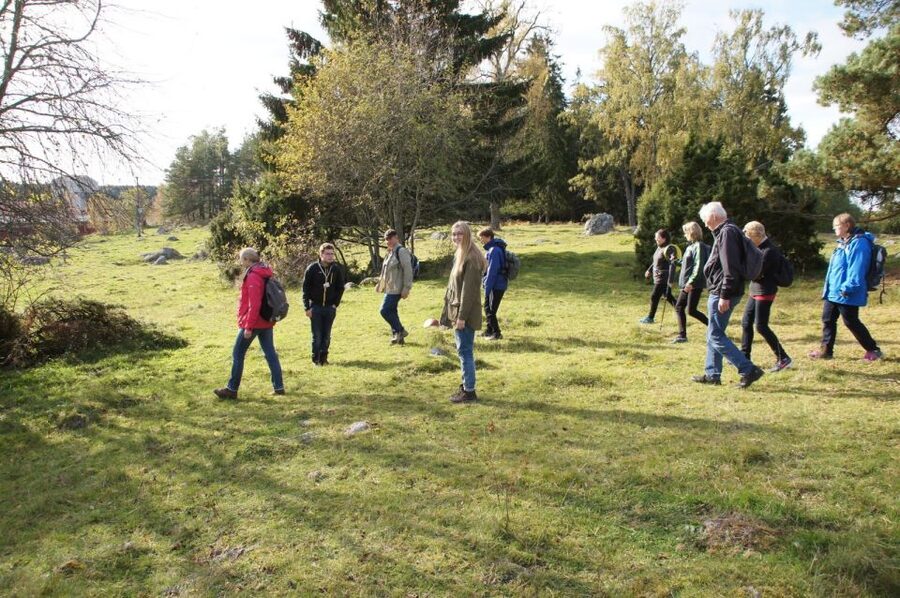
This tour depends on interpretation more than spectacle. The rune stones may be weathered, the grave fields may look like ordinary fields, and the council site may require imagination. A strong guide makes those places speak.
The guide team receives especially warm praise. Olof is described as very good at explaining the rune stones and giving the group time to explore on its own. Gabriel is praised for making the subject fun while leaving plenty of time for questions. Eric connects Viking history with both older and modern Swedish life.
Calle is a good fit if you want to ask about Sweden beyond the Viking period. Charlotte is described as personable as well as well informed, while Nadia receives strong praise for making the day enjoyable. Jonathan and Lena-Marie are noted for clear explanations of Viking culture and for leading a scenic outing.
That range tells you something useful. The experience is not built around one fixed performance. Each guide has a slightly different style, so your day may be more serious, humorous, or conversational. The common thread is a willingness to answer questions and explain the meaning behind each site.
I also like that the guides sometimes give you room to look around. A history tour should not keep you in a tight group every minute. At the same time, the schedule is organized, so this is not the right choice if you want to linger at every stone or take a long independent walk.
Is $193 a fair price?
The $193 price per person needs to be judged against what is included. You are paying for about six hours, transport by minivan, hotel or harbor pickup and drop-off, and a live English-speaking driver-guide. For a visitor without a car, that removes the work of planning several rural stops and arranging transport between them.
The value is strongest if you care about interpretation. You are not paying only for a ride to Sigtuna. You are paying for explanations at Broby bro, Jarlabanki’s Causeway, the council site, and the town itself. The guide also places Viking history within Sweden’s broader story.
The price is less attractive if you mainly want free time in Sigtuna. The town visit is relatively short, and lunch costs extra. You may also prefer public transport and independent sightseeing if you are comfortable doing research and navigating outside Stockholm.
For a first visit to Stockholm, I see the tour as a convenient way to add a rural and historical day without sacrificing an entire day to logistics. It also gives you a wider view of Sweden than the capital’s central museums and streets can provide.
Who should take this Viking tour?
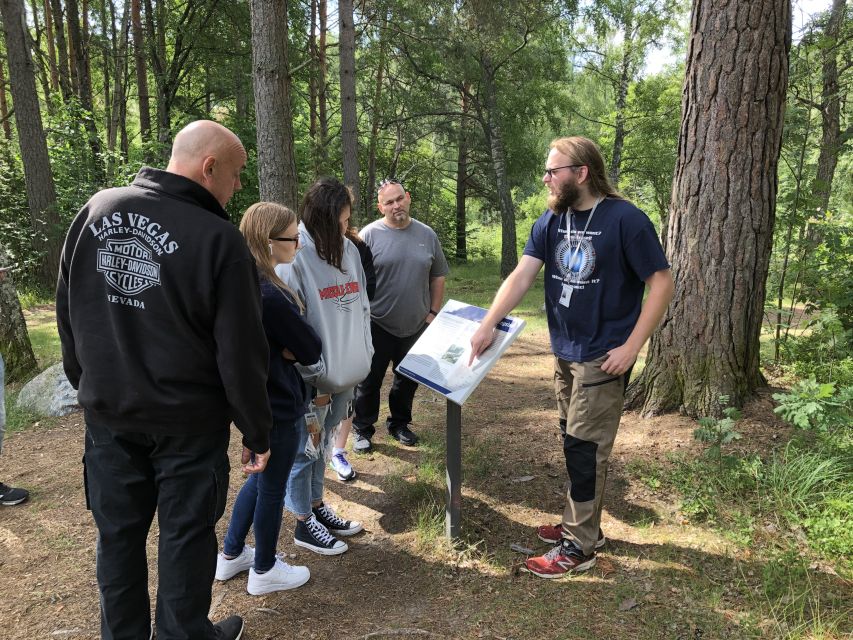
I would recommend it to you if you enjoy history explained at real sites rather than in a purely indoor setting. It is especially suitable if you want to understand Viking society, burial customs, roads, authority, and religious change instead of focusing only on ships and warfare.
It also works well for visitors who have limited time in Stockholm. Six hours is long enough to reach several sites, yet short enough to fit into a wider city stay. Hotel pickup is useful if you do not want to work out the transport yourself.
You should think twice if you dislike outdoor walks, uneven ground, or changing weather. Stockholm winters can be harsh, with temperatures often around 0 C or 32 F. Wear weather-appropriate clothing and proper walking shoes.
The tour is not suitable for children under six or adults over 90, according to the stated restrictions. It is conducted in English, so you should be comfortable following a detailed spoken explanation for much of the day.
Free cancellation is available up to 24 hours before departure, and you can reserve now and pay later. Those terms help if your Stockholm schedule is still shifting, though pickup and return times remain approximate.
Final verdict: book it for context, not spectacle
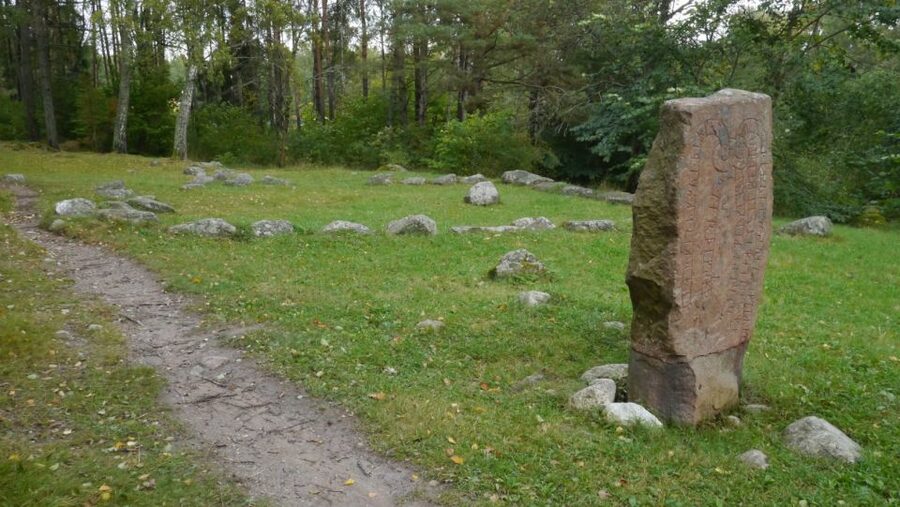
I would book this tour if I wanted a clear introduction to Viking Sweden without renting a car or building my own route. The strongest parts are the guides, the real archaeological settings, Estrid’s personal story, and Sigtuna’s mix of wooden houses, bay views, and church ruins.
I would not book it expecting a Viking show, a long museum visit, or a relaxed afternoon in Sigtuna. You get a thoughtful, active history lesson with several outdoor stops, not a theme-park version of the past.
For the best experience, wear sturdy shoes, dress for the forecast, leave room in your schedule for traffic, and keep a little money aside for lunch. If that sounds like your kind of day, the $193 cost buys useful access to places that are difficult to combine on your own.
FAQ
How long is the Viking culture tour from Stockholm?
The tour lasts six hours, including transportation between Stockholm and the historical sites.
Where does pickup take place?
Pickup is available from centrally located hotels, cruise accommodations, and Stockholm Central Station. Hotel, cruise, and accommodation pickups may begin 0 to 60 minutes before the tour starts.
Is transportation included?
Yes. Transportation during the activity is included, along with hotel or harbor pickup and drop-off.
Is the tour conducted in English?
Yes. The live tour guide conducts the experience in English.
Which historical sites are visited?
The tour visits Broby bro, Jarlabanki’s Causeway, a preserved Viking council site, and the historic town of Sigtuna.
How much walking is involved?
There is not a large amount of walking, but some sites involve lightly rugged terrain. Comfortable walking shoes are recommended.
Is lunch included?
No. Lunch is not included in the price. The restaurant has vegetarian dishes.
Can I visit Sigtuna independently during the tour?
You receive a guided walk in Sigtuna lasting around 45 minutes. The available information does not specify a separate amount of free time.
Is the tour suitable for young children?
The tour is not suitable for children under six years old.
Can I cancel the booking?
You can cancel up to 24 hours in advance for a full refund. Reserve now and pay later is also available.
Recently added around Stockholm
- ROYAL Castle Skokloster and Viking Sigtuna (private tour)★ 4.5 · 3 reviews
- Stockholm Port to Stockholm Arlanda Airport (ARN) – Departure Private Transfer★ 3.5 · 3 reviews
- Stockholm Ghost Hunt: Self-Guided Tour and Puzzle Adventure★ 4.5 · 3 reviews
- Ghosts of Stockholm: A Guided Tour of Horror and Dark Folklore★ 4.5 · 3 reviews
- Private blood, ghosts and folklore Old Town 2h Stockholm tour★ 4.0 · 3 reviews
- Private Photography workshop in Stockholm★ 5.0 · 3 reviews
- Stockholm- Private transfer to/from Arlanda Airport and city★ 5.0 · 3 reviews
- Stockholm Arlanda airport to City center of Stockholm★ 3.3 · 3 reviews
Viking History Tours, compared.


Viking History, Runes & Countryside 9h Tour to Sigtuna & Uppsala
Read our review →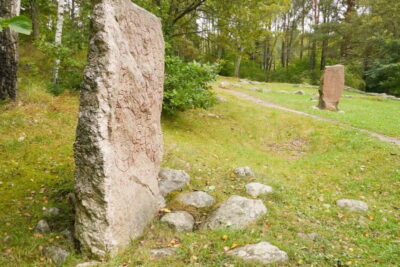
Stockholm Viking History Full Day Tour to Sigtuna + Uppsala
Read our review →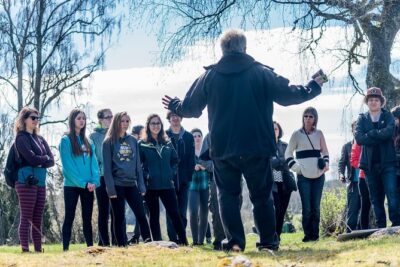
Viking History and Swedish Countryside Tour to Sigtuna & Uppsala
Read our review →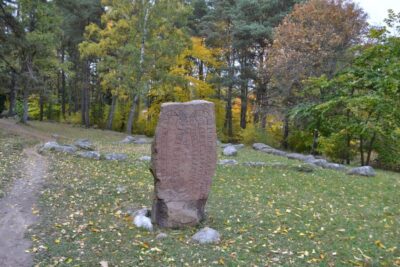
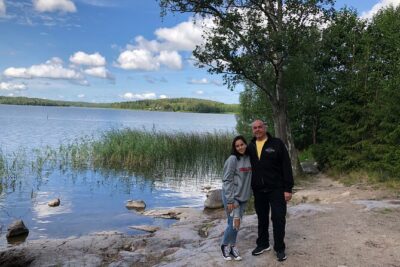
Viking History Small Group Tour from Stockholm: Half Day Including Sigtuna
Read our review →
Full Day Viking Tour with Fika Swedish Coffee Break
Read our review →Browse the lists this tour appears in