
Reviewed · VIKING HISTORY TOURS
Viking History and Swedish Countryside Tour to Sigtuna & Uppsala
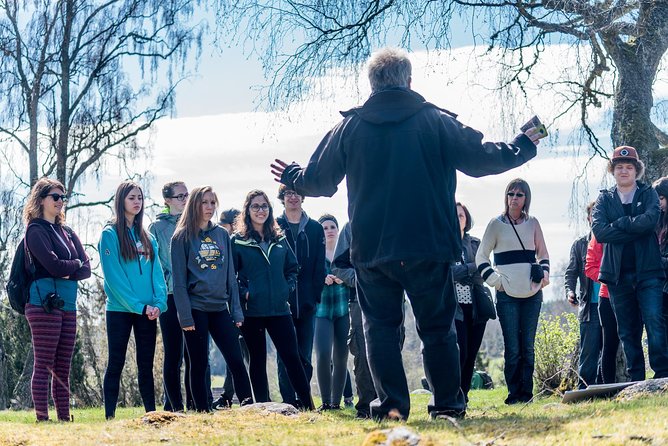
Viking stones still speak. This nine-hour trip takes you beyond Stockholm to runestones, assembly sites, burial mounds, Sigtuna, and Uppsala. I like the mix of open countryside and serious history, and I especially like the small-group minibus, which makes a long day easier than a large coach tour.
The guides are a major part of the experience. Urban, Angus, Carl, Olof, and Arvin or Erwin have all led tours, and the strongest guide experiences describe lively storytelling, good humor, and careful attention to breaks and dietary needs. The main drawback is clear: this is a long, information-heavy day, with plenty of standing outdoors and more runestones and churches than some people will want.
In This Review
- Key points to know before booking
- A long day that puts Viking Sweden in context
- From Stockholm to Täby’s Viking road
- Arkils Tingstad and Lake Vallentuna
- Granbyhällen and the remains of a Viking farm
- Fika and local crafts at Hökeriet
- Sigtuna brings streets and shops into the day
- Uppsala Cathedral and the Christian era
- Gamla Uppsala and the royal mounds
- The minibus, group size, and comfort
- Who will enjoy this day most
- Practical preparation for the nine-hour route
- Should you book the Sigtuna and Uppsala tour?
- FAQ
- How long is the Viking History and Swedish Countryside Tour?
- Does the tour include hotel pickup?
- Is transportation provided?
- How many people can join the tour?
- Is lunch included in the price?
- Is the Swedish fika at Hökeriet guaranteed?
- Is the tour offered in English?
- Is the tour suitable for young children?
- What is the cancellation policy?
Key points to know before booking
- Jarlabanke’s Bridge and Arkils Assembly Site give you a look at Viking power, law, and local politics, not just battles and legends.
- Granbyhällen carries one of Sweden’s longest Viking Age runic texts, while nearby house foundations show where people lived.
- Sigtuna provides a welcome change of pace, with old streets, wooden buildings, shops, and time to stroll.
- Gamla Uppsala’s royal mounds are the day’s most striking ancient site, with three large burial mounds tied to early Swedish kings.
- The minibus holds up to 17 people, but a full vehicle can feel cramped, especially in the rear seats.
- Bring water, weatherproof clothing, and sturdy shoes, and expect lunch and drinks to cost extra.
A long day that puts Viking Sweden in context
This is not a quick photo stop at one reconstructed Viking village. It is a broad cultural trip through the places that shaped early Sweden: roads, farms, meeting grounds, religious centers, royal graves, and medieval towns.
That wider approach is the tour’s strength. You see how Viking society worked rather than treating the age as a collection of dramatic objects. At the same time, the day can feel repetitive if your main interest is architecture or modern Swedish life. Runestones and church remains appear again and again, so the guide’s pacing matters a great deal.
The tour costs $274.19 per person, which is a serious price. The value comes from the distance covered, hotel pickup in central Stockholm, air-conditioned transport, and a full day with a professional guide. Reaching Täby, Vallentuna, Granby, Sigtuna, and Uppsala independently would require careful planning and several transport connections.
Food is not included. You should budget for lunch and drinks, and it is wise to carry water from the start. Some departures include a Swedish fika at Hökeriet, but that coffee stop is not promised on every tour.
More Sigtuna day trips:
- Viking History, Runes & Countryside 9h Tour to Sigtuna & Uppsala
★ 4.5 · 283 reviews - From Stockholm: Uppsala and Sigtuna Viking Sites Tour
★ 4.7 · 157 reviews - Viking History Small Group Tour from Stockholm: Half Day Including Sigtuna
★ 4.5 · 111 reviews
From Stockholm to Täby’s Viking road
Pickup is offered at hotels and other locations within the general central Stockholm area. You receive the final pickup time and place by phone one to two days before departure, so enter a working cell phone number when booking.
The first part of the morning reaches Täby, north of Stockholm. Täby Church may be seen on a drive-by, giving you a glimpse of the medieval Christian world that followed the Viking period. Its Romanesque and Gothic features date mainly from the 13th century, but it is not listed as a full interior visit, so do not plan on a church tour there.
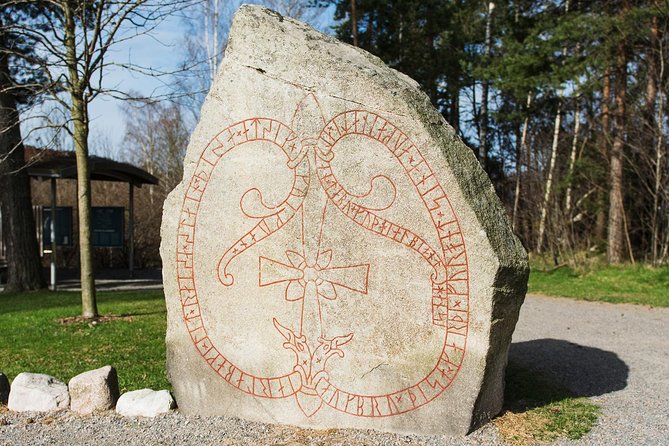
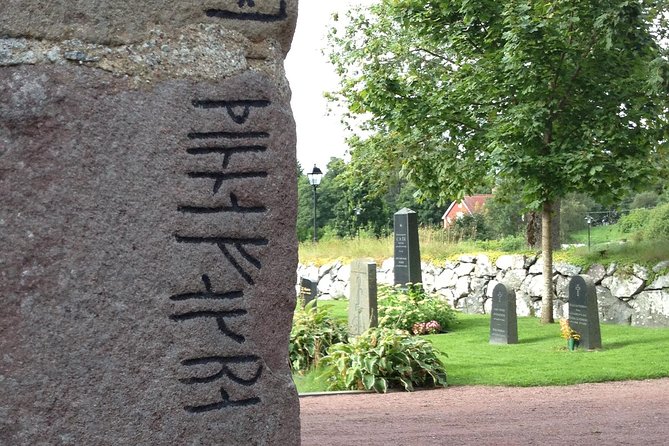
The more important stop is Jarlabanke’s Bridge, an 11th-century Viking causeway. The name comes from Jarlabanke, a powerful local chief who ordered the bridge built. Stones near the bridge carry inscriptions about Jarlabanke and his family, including a very human display of status and self-promotion.
That is one of the useful themes of the day. Runestones were not only memorials. They could announce land ownership, family connections, public works, and political importance. You begin to see Viking leaders as local power brokers who wanted their names remembered.
Arkils Tingstad and Lake Vallentuna
At Arkils Tingstad, near Vallentuna, the tour turns from roads and monuments to law. The site is thought to have served as a Viking Age assembly ground where local people gathered to settle disputes, make decisions, and establish rules.
The stones are arranged in a square and may have marked seating or the bounds of the meeting area. There is no grand building here. That is precisely the point. Early political life often took place outdoors, in a setting that depended on people, memory, custom, and spoken decisions rather than official offices.
You spend about 30 minutes at the assembly site, with another short period near the banks of Lake Vallentuna. The lake is a calm contrast to the talk of chiefs and legal disputes. In summer, the surrounding area suits a short walk, while winter brings opportunities for ice skating in the broader lake area.
This stop also requires standing outside. Sweden’s weather can shift quickly, and one person specifically found the minibus too cold on a cloudy, windy day. Bring layers and rain protection instead of trusting a mild forecast.
Granbyhällen and the remains of a Viking farm
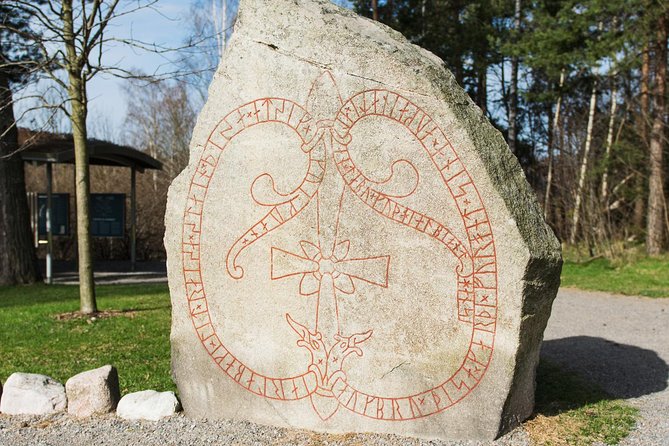
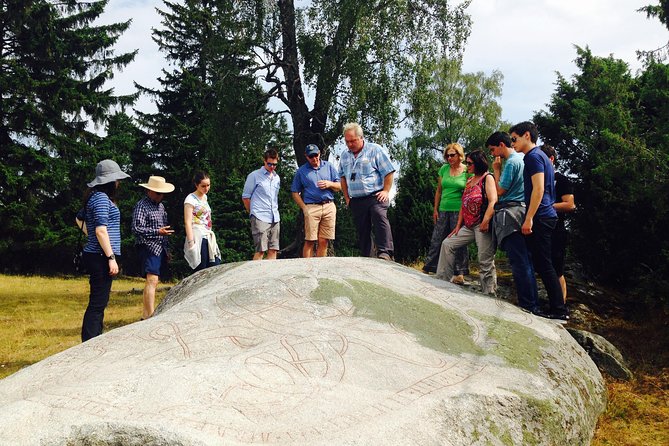
Granby is one of the day’s best stops for understanding ordinary settlement life. The Granby Stone, or Granbyhällen, is a broad rock covered with swirling runes. Its inscription is among the longest and most informative Swedish texts from the Viking Age.
The wording may relate to family members, property, and inheritance. Rather than presenting a vague heroic tale, the stone offers clues about relationships and land. It helps connect Viking history to practical concerns that still make sense: family, rights, memory, and who receives what.
Nearby are well-preserved foundations of Viking houses. You can step into the outlines of the longhouse and picture the scale of the family home. The foundations do not recreate daily life for you, so the guide’s explanation is important here. This is where a strong guide can turn low stone walls into a useful picture of work, household life, and social rank.
The stop lasts about 25 minutes. If you are fascinated by runes, this may be one of the day’s highlights. If you prefer complete buildings and museum displays, it can feel spare. You are looking at a site rather than entering a restored Viking settlement.
More Viking history:
- Stockholm: The Viking Museum Exhibition and Viking Ride
★ 4.5 · 667 reviews - Entrance ticket to The Viking Museum
★ 4.0 · 301 reviews - From Stockholm: Viking Culture Guided Tour with Transfer
★ 4.5 · 81 reviews - Full Day Viking Tour with Fika Swedish Coffee Break
★ 4.5 · 81 reviews
Fika and local crafts at Hökeriet
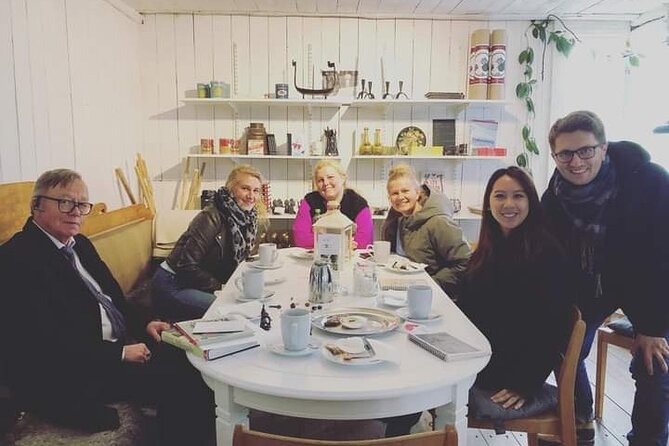
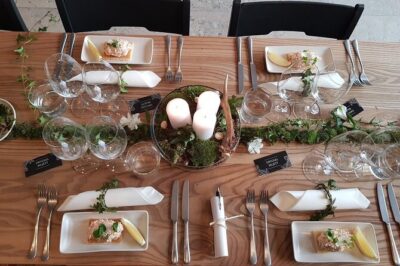
Near the Granby farm is Hökeriet, a small provision shop and farmhouse setting. On many, but not all, departures, you can have a Swedish fika served by one of the farm’s owners, relatives, or friends.
This is a welcome human pause after several archaeological stops. A coffee and something sweet can make the morning feel less like a sequence of lectures. Regional handicrafts and Viking-related souvenirs may also be available.
Because fika is not guaranteed, do not rely on it as your only food. Lunch is also at your own expense, and the exact eating arrangement can vary. The sensible plan is to carry a small snack and water, then treat the farmhouse stop as a pleasant extra.
Sigtuna brings streets and shops into the day
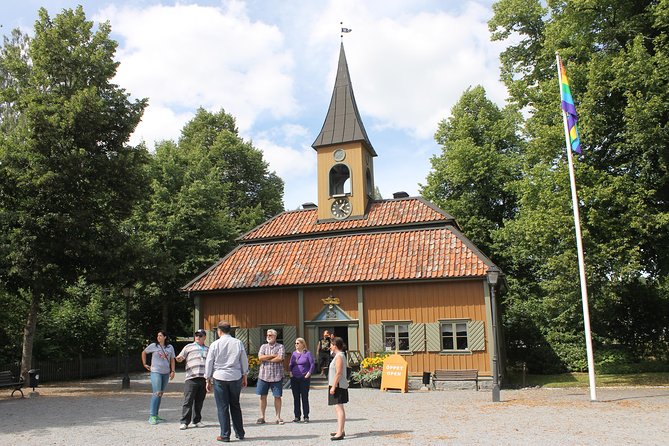
Sigtuna was founded around AD 980 and is often the most immediately charming stop. After fields, stones, and mounds, you get cobbled streets, old wooden and stone buildings, small shops, gardens, and a more relaxed town center.
The hour allotted here is useful but limited. You can stroll, browse for a small souvenir, and get a feel for Sweden’s oldest town. St. Mary’s Church and the Sigtuna Museum add cultural interest, although the scheduled stop does not promise extended museum time or a guided church visit.
Sigtuna is also associated with lunch during the day, which creates a practical issue. You may need to choose between eating slowly and exploring the streets. If Sigtuna appeals to you most, plan a separate visit on another day. An hour is enough for an introduction, not enough for a thorough look.
Still, this is an important change in rhythm. The tour is not only about ancient stones. Sigtuna lets you see how an old Swedish settlement feels as a living town, with shops and everyday movement around its historic core.
Uppsala Cathedral and the Christian era
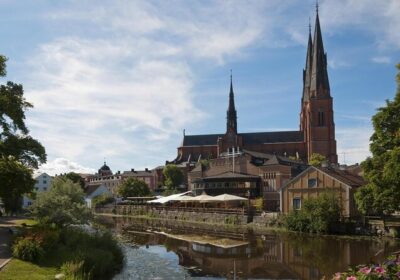
The journey continues to Uppsala, where the focus shifts from pre-Christian royal centers to medieval and Lutheran Sweden. Uppsala Cathedral is Sweden’s oldest cathedral and a major example of Scandinavian Gothic architecture.
The interior is known for tall vaulted spaces, stained glass, and historic tombs. The cathedral also holds the tomb of Gustav Vasa, the Swedish king linked to the Reformation. A cathedral museum and treasury sit nearby, and the bell tower offers broad views, although the day’s schedule does not promise time for every feature.
You have about 20 minutes at the cathedral. That is enough to enter, look carefully, and understand its importance. It is not enough for an unhurried museum visit, a tower climb, and a detailed architectural study.
This short stop works best if you see Uppsala as part of a bigger story. The day begins with Viking assemblies and family monuments, then shows how Christianity, kingship, and medieval institutions reshaped Sweden. If you want much more time inside the cathedral or in central Uppsala, schedule an independent visit.
Gamla Uppsala and the royal mounds
Gamla Uppsala is the strongest ancient setting on the route. Three large burial mounds rise from the site, dating from the 6th and 7th centuries. Tradition connects them with the early Swedish kings Aun, Egil, and Adils.
Archaeological finds from the mounds, including weapons and jewelry, point to wealth, rank, and long-distance connections. The site is also tied to old religious practices and early Swedish kingship. You are looking at broad earthworks rather than intact royal tombs, but their size gives the place real force.
The tour allows about 30 minutes here. Wear shoes that handle uneven ground and expect to spend the time outside. The village and surrounding remains provide a strong final chapter to the ancient portion of the tour, especially after you have seen the smaller family and community sites earlier in the day.
Gamla Uppsala can also expose the tour’s main weakness. The guide may have a great deal to explain, and some people find the amount of detail excessive by this point. If you prefer short bursts of information and plenty of quiet time, say so politely. The best guides appear willing to adjust their pace to the group.
The minibus, group size, and comfort
Transport is by air-conditioned minibus, with hotel pickup and drop-off included within the stated central Stockholm area. The maximum group size is 17, small enough to feel more personal than a large sightseeing coach.
That does not mean every seat is equally comfortable. A full vehicle can feel crowded, and the rear row has been described as particularly tight when pickup occurs late. If you are prone to motion sickness or need extra legroom, ask about seating at the beginning rather than waiting until the van fills.
A useful feature is the use of in-ear audio devices on some departures. They can make it easier to hear the guide while he is driving or while the group is spread around a site. Equipment and vehicle details can vary, so do not assume the van has phone charging ports. Start with a fully charged phone if you plan to take photographs throughout the nine-hour day.
The guide often drives and narrates at the same time. That makes the person leading the tour especially important. Urban is repeatedly praised for humor, energy, and clear storytelling, while Angus and Carl are also described as friendly and well-informed. Names and guides vary by departure, but you should expect the guide to shape much of the experience.
Who will enjoy this day most
I would choose this tour if you want a structured way to see several important places north of Stockholm and you enjoy history told on location. It suits people who like runes, early Swedish politics, burial customs, medieval churches, and the transition from pagan traditions to Christianity.
It also works well for a first visit to Stockholm when you want one day outside the capital without arranging trains, buses, taxis, and site visits yourself. The countryside views give the schedule breathing room, even though much of the day is spent listening and walking.
I would hesitate if you want a relaxed day with long meals and generous free time. You should also think twice if your interest in Vikings is limited to ships, costumes, or hands-on demonstrations. This is an archaeological and historical tour, not a staged Viking attraction.
Children under eight are not recommended. Older children who enjoy stories and outdoor sites may manage well, but the long duration, standing, and detailed commentary can test patience.
Practical preparation for the nine-hour route
Wear comfortable shoes. Several stops involve grass, uneven ground, or standing outdoors, and the schedule includes more walking than the short stop lengths suggest.
Bring a rain jacket, warm layer, water, and a charged phone. One hot-day experience also pointed to the need for regular water, while a cold-day experience showed why layers matter. Sweden can offer both problems on the same route, depending on the season.
Keep lunch expectations flexible. Food and drinks are not included, and the day includes only about an hour in Sigtuna. If you have dietary needs, tell the guide early. The tour has accommodated dietary requirements and made room for restroom stops, but it is still sensible to communicate clearly.
Cancellation is free up to 24 hours before the start time for a full refund. Changes or cancellations inside that window are not accepted, and the tour requires a minimum number of participants. If that minimum is not reached, you are offered another date or experience, or a full refund.
Should you book the Sigtuna and Uppsala tour?
Book it if you want a full, guided day of Swedish history and value convenience over free time. The route covers an impressive range: Viking roads, runes, a legal assembly site, farm foundations, Sigtuna, Uppsala Cathedral, and the royal mounds of Gamla Uppsala.
The price is fair only if you would otherwise struggle to organize the same route. It is not a bargain for a casual sightseeing day, especially once lunch and drinks are added. The experience earns its cost through coverage, transport, and the chance to hear the sites explained in English.
My clearest advice is simple: book this for the history, not for a leisurely tour of Sigtuna or Uppsala. Bring the right clothes, expect a lot of information, and ask for a comfortable seat. If that sounds appealing, this is one of the more efficient ways to connect Sweden’s Viking and medieval past in a single day.
FAQ
How long is the Viking History and Swedish Countryside Tour?
The tour lasts approximately nine hours, including travel between Stockholm and the historical sites.
Does the tour include hotel pickup?
Yes. Pickup and drop-off are included for hotels and other locations within the general central Stockholm pickup area.
Is transportation provided?
Yes. Transport is provided in an air-conditioned minibus.
How many people can join the tour?
The maximum group size is 17 people.
Is lunch included in the price?
No. Food and drinks are not included, so you should budget for lunch and carry water.
Is the Swedish fika at Hökeriet guaranteed?
No. Fika is available on most, but not all, tours.
Is the tour offered in English?
Yes. The tour is offered in English.
Is the tour suitable for young children?
It is not recommended for children under eight years old.
What is the cancellation policy?
You can cancel up to 24 hours before the start time for a full refund. Cancellations or changes made less than 24 hours before the start time are not accepted.
More Historical Tours
- Stockholm: Ghost Walk and Historical Tour
★ 4.7 · 2,206 reviews - The Original Stockholm Ghost Walk and Historical Tour – Gamla Stan
★ 4.5 · 1,165 reviews - Stockholm: Old Town Historical Walking Tour
★ 4.9 · 344 reviews - Stockholm Old Town Gamla Stan, Historic Walking Tour, Small group
★ 5.0 · 54 reviews
Recently added around Stockholm
- ROYAL Castle Skokloster and Viking Sigtuna (private tour)★ 4.5 · 3 reviews
- Stockholm Port to Stockholm Arlanda Airport (ARN) – Departure Private Transfer★ 3.5 · 3 reviews
- Stockholm Ghost Hunt: Self-Guided Tour and Puzzle Adventure★ 4.5 · 3 reviews
- Private blood, ghosts and folklore Old Town 2h Stockholm tour★ 4.0 · 3 reviews
- Private Photography workshop in Stockholm★ 5.0 · 3 reviews
- Ghosts of Stockholm: A Guided Tour of Horror and Dark Folklore★ 4.5 · 3 reviews
- Stockholm- Private transfer to/from Arlanda Airport and city★ 5.0 · 3 reviews
- Stockholm Arlanda airport to City center of Stockholm★ 3.3 · 3 reviews
Viking History Tours, compared.

Viking History, Runes & Countryside 9h Tour to Sigtuna & Uppsala
Read our review →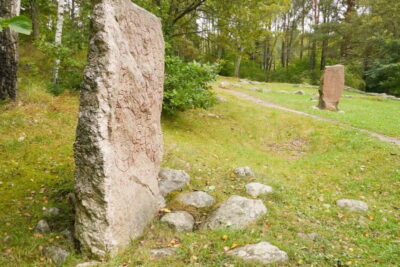
Stockholm Viking History Full Day Tour to Sigtuna + Uppsala
Read our review →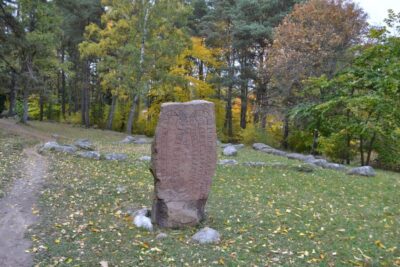
Viking History Small Group Tour from Stockholm: Half Day Including Sigtuna
Read our review →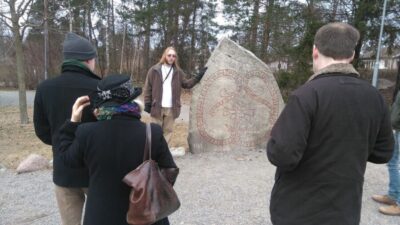
Full Day Viking Tour with Fika Swedish Coffee Break
Read our review →Browse the lists this tour appears in