
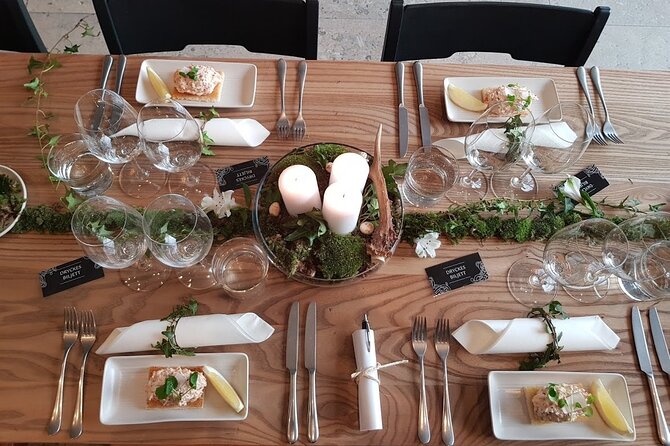
Reviewed · VIKING HISTORY TOURS
Entrance ticket to The Viking Museum
Vikings come alive here. The Viking Museum gives you a compact, engaging look at raids, shipbuilding, Norse mythology, and farm life through artifacts, films, sound, projections, and a short indoor ride. I especially like the multilingual audio guide, which lets you explore at your own pace, and the chance to ask questions of guides dressed in Viking-style clothing. The main drawback is size: at roughly one to two hours, this is a small museum, and some adults may find parts of it more theatrical than substantial.
The museum works best when you treat it as an introduction, not a complete study of the Viking Age. I like the way it separates popular legend from archaeological evidence, while Ragnfrid’s Saga gives families and first-time learners a memorable story to follow. Still, the ticket can feel expensive if you mainly want a large collection of original objects.
In This Review
- Key points to know before you go
- A small museum with a clear Viking story
- What you see in the main exhibition
- Ragnfrid’s Saga, the museum’s main dramatic feature
- Guides, audio, and language choices
- How long to allow for the visit
- Is the Viking Museum good for children?
- The museum’s balance of fact, myth, and spectacle
- Food, photos, and the extra time around your visit
- Who will enjoy this experience most?
- Practical booking advice and cancellation terms
- Should you book The Viking Museum?
- FAQ
- Where is The Viking Museum located?
- How much does admission cost?
- How long does a visit take?
- Is the ticket available on a mobile device?
- Is the experience offered in English?
- Is an audio guide available?
- Can I ask museum guides questions?
- What is Ragnfrid’s Saga?
- Are service animals allowed?
- Can I cancel for a refund?
Key points to know before you go
- Ragnfrid’s Saga lasts about 11 minutes: This atmospheric ride follows a Viking family through farm life, raiding, and slave trading.
- The museum is compact: Plan on about one hour for a brisk visit, or up to two hours if you read the panels and speak with the guides.
- You get several ways to learn: Films, projections, sound effects, replicas, archaeological objects, and a multilingual audio guide keep the subject from becoming only a wall of text.
- Ask about the live guide schedule: Free guided presentations may be offered in different languages at set times.
- The exhibits mix fact and legend: Norse mythology appears throughout, but the museum also addresses what archaeology can actually support.
- The price is $22.68 per person: That is fair if you value the ride and presentation, but less appealing if you want a large collection of artifacts.
A small museum with a clear Viking story

The Viking Museum is designed for a focused visit rather than a full day. You move through a compact exhibition that introduces the Viking Age with a mix of objects, recreated settings, films, projections, and sound. The approach is easy to follow, even if you arrive with only a loose idea of who the Vikings were.
I appreciate that the museum does not present Vikings as cartoon raiders with horned helmets. The displays cover raids and long-distance journeys, but they also explain farming, household life, shipbuilding, trade, and belief. That wider view matters. Most people know the Viking image from battles and ships, yet daily work on the farm formed the base of Viking society.
The museum also brings in Norse mythology. You will see how stories, gods, and beliefs shaped the Viking world, while the displays try to separate myth from evidence. That makes the experience useful for children and adults who want more than a fantasy version of the past.
The collection itself is not huge. You will find archaeological objects and relics, but the presentation does much of the work. If you expect room after room of rare artifacts, you may leave disappointed. If you want a clear, sensory introduction to the subject, the smaller scale can be a benefit.
More Viking history:
- Stockholm: The Viking Museum Exhibition and Viking Ride
★ 4.5 · 667 reviews - Viking History, Runes & Countryside 9h Tour to Sigtuna & Uppsala
★ 4.5 · 283 reviews - Viking History and Swedish Countryside Tour to Sigtuna & Uppsala
★ 4.5 · 162 reviews
What you see in the main exhibition
The exhibition uses several formats, so the visit does not depend on reading every panel. Films explain key ideas, projections add movement, and sound effects help create a sense of place. Replicas invite you to look more closely at how Viking life may have felt and worked.
Some of the displays focus on Viking ships and the skills needed to build and use them. This is one of the stronger themes because shipbuilding explains how a farming society could travel far across rough seas and along rivers. The ships were tools for raiding, trade, migration, and exploration, not just weapons of war.
You also learn about the westward raids and the journeys east. The museum includes the darker side of Viking expansion, including plundering and the slave trade. That subject gives the exhibition more honesty, although the short format means it cannot explain every political or economic detail.
The farm setting offers a useful counterweight. Viking life was not spent constantly at sea. Farming, food production, family work, and local obligations mattered just as much. The replicas help make that point, especially for children who may struggle with long written explanations.
Expect some reading. One critical response found the museum too text-heavy for children and not interactive enough, while other visitors appreciated the amount of information packed into a small space. That split is easy to understand. The museum has interactive touches, but it is not an activity center. Older children and adults who enjoy displays will get more from the panels than children who need constant hands-on action.
Ragnfrid’s Saga, the museum’s main dramatic feature
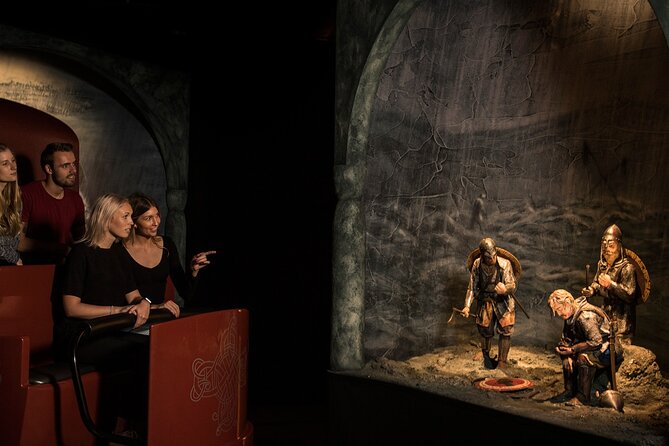
The most distinctive part of the visit is Ragnfrid’s Saga, an approximately 11-minute ride through a Viking Age story. You begin at Frösala Farm with Ragnfrid and her husband Harald, then follow their journey toward the west and east.
The ride uses an automatic vehicle, scenery, light, sound, and atmospheric settings. Ragnfrid narrates the story as you move through it. The trip includes a raid in the west and the slave trade in the east, so this is not simply a cheerful Viking adventure.
The strongest moments come from the changing mood. A forest attack can feel tense, especially for younger children, and the sound and lighting add drama. The ride gives you a quick emotional sense of danger and uncertainty that a display panel cannot provide.
At the same time, the ride is not for everyone. Some adults may find the vehicle and story a little simplistic. One particularly negative assessment found the ride weak and wished the time had been spent at the Vasa Museum instead. Another found it exciting and called it the best part of the visit. Your reaction will depend on what you want from a museum.
I would treat the ride as a short theatrical introduction, not as a historical documentary. It compresses complex events into a simple family story. That is useful for a first look, especially with children, but you should not expect a detailed account of Viking politics or social structure.
The ride is also why the museum feels different from a standard artifact collection. It gives the visit a beginning, middle, and end. Even if you remember only a few facts afterward, you are likely to remember Ragnfrid’s journey.
Guides, audio, and language choices
You can explore with a multilingual audio guide, which is helpful if English is not your first language or if you prefer to listen rather than read. The experience is offered in English, and an audio option allows you to control the pace instead of waiting for a group.
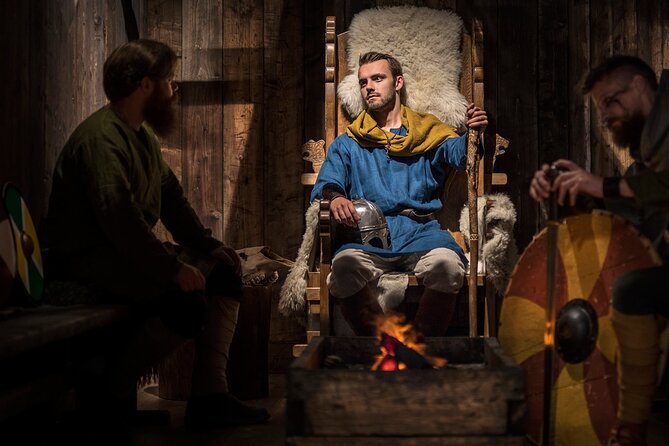
Guides in Viking-style clothing are available to answer questions as you explore. This informal contact may be more valuable than a formal lecture because you can ask about the objects or ideas that interest you. The guides are described as friendly and well informed, and several comments praise how easily they explain the displays.
It is worth checking the timing of the free live guide presentations. These talks may be available in different languages at set intervals, and choosing the right time could add more value to your ticket. The exact schedule is not provided here, so ask at the museum when you arrive.
The language options also make the museum practical for families and mixed-language groups. One German-language assessment noted that both English and German support were available. The safest approach is to confirm the current choices on arrival rather than assume every language is offered at every time.
More museums:
- Stockholm: Skansen Open-Air Museum Admission Ticket
★ 4.5 · 3,427 reviews - Stockholm Pass: Save up to 50% – Includes Vasa Museum Ticket
★ 4.1 · 2,392 reviews - Stockholm: Nobel Prize Museum and Exhibition Entry Ticket
★ 4.3 · 994 reviews - Stockholm: Fotografiska Museum Entrance Ticket
★ 4.5 · 702 reviews
How long to allow for the visit
The stated visit length is one to two hours. You can move through faster in about an hour, especially if you focus on the main displays and the ride. Allow closer to two hours if you read the panels, listen to the audio guide, ask questions, and wait for a presentation.
That timing makes the museum easy to add to a day of sightseeing. You do not need to sacrifice half a day, and the compact format can suit a rainy afternoon or a family that has limited patience for long museum visits.
The short duration is also the main value question. At $22.68 per person, the ticket is not a bargain if you want a large museum with many original artifacts. It becomes more reasonable when you count the ride, the multimedia material, the audio guide, and access to staff who can answer questions.
Some comments suggest that advance booking may not be necessary because admission can be purchased at the door. Still, online booking can remove one small task from your Stockholm planning, and the experience is often booked about 26 days ahead. I would prebook if your schedule is tight or if you want to visit at a particular time. If your day is flexible, showing up may be a reasonable option.
Is the Viking Museum good for children?
The museum has several features that work well for families. The ride gives children a story to follow, replicas let them see Viking life beyond flat panels, and the films and projections add movement. The dramatic forest attack in Ragnfrid’s Saga may be exciting, though sensitive children could find it tense.
The museum is not entirely hands-on. There is a fair amount of reading, and some displays may feel old-fashioned compared with highly interactive science museums. One assessment found it better suited to smaller children than teenagers, while another family enjoyed the interactive elements and the ride.
For younger children, I would frame the visit around a few questions: How did Vikings travel? What did they do on a farm? Why were ships so important? That keeps the experience active without expecting them to read every panel.
Teenagers who already know a lot about Vikings may want more depth. They could still enjoy the visual presentation, the mythology, and the chance to question the guides, but the museum may not satisfy someone looking for a large collection or advanced archaeological discussion.
The museum’s balance of fact, myth, and spectacle
The best educational feature is the effort to show that the Viking world was more complicated than popular entertainment suggests. Norse mythology is part of the exhibition, but it appears alongside archaeological material and explanations of daily life.
That balance helps you ask better questions. Which parts come from written stories? Which parts come from objects and excavated sites? How much do we really know about ordinary families? The museum cannot answer every question in depth, but it gives you a useful starting point.
The spectacle has limits. Projections and sound can make a small space feel more active, but they do not replace original material. If your main goal is to see a significant collection of Viking artifacts, you may find the museum light on objects.
I would pair this experience with another Stockholm museum if you have the time, especially if you want more extensive material culture. The Viking Museum works well as a focused introduction. It is less convincing as your only major history museum in the city.
Food, photos, and the extra time around your visit
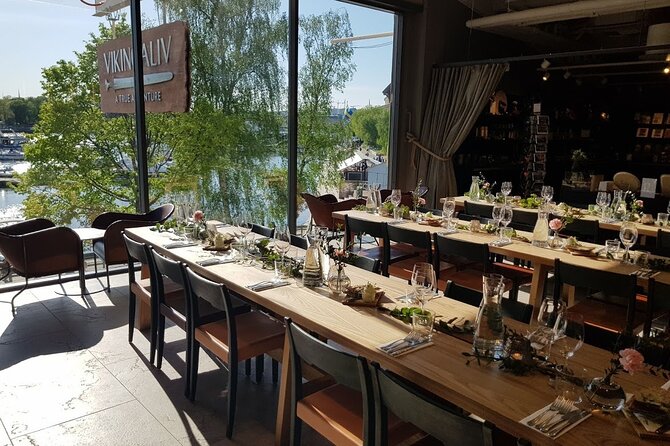
The museum includes a restaurant serving Swedish food. Reindeer meatballs are a suggested choice if you want to try something closely tied to northern Swedish cuisine, though the available menu can change.
A gift shop offers Viking-themed items and other souvenirs. The displays also create good photo opportunities, particularly where replicas and recreated settings make the subject more visual. You should follow any current photography rules inside the museum.
These additions matter because the museum visit itself is relatively short. A meal or a look through the shop can turn a one-hour stop into a more relaxed outing. I would not choose the museum only for the restaurant, but it is useful to have food on site.
The location is near public transportation, and most people can take part. Service animals are allowed. Since no detailed information is provided about every access feature, you should contact the museum directly if you need specific accessibility arrangements.
Who will enjoy this experience most?
I would recommend the Viking Museum to:
- Families with younger children who like stories, sound, and short rides
- First-time visitors to Stockholm who want a simple Viking introduction
- Adults who enjoy mythology, replicas, and visual displays
- People who prefer an audio guide to a fixed group tour
- Anyone with only one or two hours for a museum stop
I would be more cautious if you:
- Want a large collection of original Viking objects
- Prefer quiet museums with little theatrical presentation
- Are a teenager or adult seeking advanced archaeological detail
- Consider $22.68 high for a compact museum
- Dislike rides or staged historical storytelling
The experience is most successful when you know what it is. Think of it as a concise, family-friendly museum with a dramatic centerpiece. Do not expect the scale of Stockholm’s biggest museums.
Practical booking advice and cancellation terms
The ticket costs $22.68 per person and includes admission. A mobile ticket makes entry simple, and confirmation is provided when you book.
You can cancel for a full refund if you do so at least 24 hours before the scheduled start time. Cancellations made within 24 hours are not refunded, and changes during that period are not accepted. The cut-off follows local Stockholm time.
Because some people find no need to book ahead, I would base the decision on your schedule. Book online if you want a fixed plan, are visiting during a busy period, or prefer having your ticket ready on your phone. If you can adjust your day, buying admission at the museum may be possible.
Should you book The Viking Museum?
Book it if you want a short, accessible introduction to Viking life with a theatrical ride, multilingual support, replicas, and staff available for questions. The best parts are the clear presentation of farm life and shipbuilding, the effort to separate myth from evidence, and Ragnfrid’s Saga.
Skip it if you want a major artifact collection or serious academic detail. At $22.68, the value depends on how much you enjoy the presentation style. For families and first-time Viking learners, it is a fun and useful stop. For dedicated history fans, it may feel too small unless you also appreciate the visual storytelling.
FAQ
Where is The Viking Museum located?
The Viking Museum is in Stockholm, Sweden.
How much does admission cost?
Admission costs $22.68 per person.
How long does a visit take?
The visit takes approximately one to two hours, depending on how much time you spend with the displays, audio guide, and guides.
Is the ticket available on a mobile device?
Yes. The experience includes a mobile ticket.
Is the experience offered in English?
Yes. It is offered in English.
Is an audio guide available?
Yes. A multilingual audio guide is available.
Can I ask museum guides questions?
Yes. Guides in Viking-style clothing are available to answer questions as you explore.
What is Ragnfrid’s Saga?
Ragnfrid’s Saga is an approximately 11-minute Viking ride following Ragnfrid and her husband Harald from Frösala Farm through journeys, raiding, and slave trading.
Are service animals allowed?
Yes. Service animals are allowed.
Can I cancel for a refund?
Yes. You can receive a full refund if you cancel at least 24 hours before the experience begins. Cancellations made less than 24 hours before the start time are not refunded.
Recently added around Stockholm
- ROYAL Castle Skokloster and Viking Sigtuna (private tour)★ 4.5 · 3 reviews
- Stockholm Ghost Hunt: Self-Guided Tour and Puzzle Adventure★ 4.5 · 3 reviews
- Stockholm Port to Stockholm Arlanda Airport (ARN) – Departure Private Transfer★ 3.5 · 3 reviews
- Private Photography workshop in Stockholm★ 5.0 · 3 reviews
- Ghosts of Stockholm: A Guided Tour of Horror and Dark Folklore★ 4.5 · 3 reviews
- Private blood, ghosts and folklore Old Town 2h Stockholm tour★ 4.0 · 3 reviews
- Stockholm- Private transfer to/from Arlanda Airport and city★ 5.0 · 3 reviews
- Stockholm Arlanda airport to City center of Stockholm★ 3.3 · 3 reviews
Viking History Tours, compared.


Viking History, Runes & Countryside 9h Tour to Sigtuna & Uppsala
Read our review →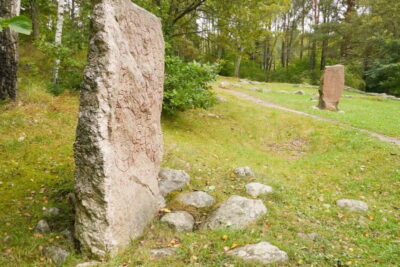
Stockholm Viking History Full Day Tour to Sigtuna + Uppsala
Read our review →
Viking History and Swedish Countryside Tour to Sigtuna & Uppsala
Read our review →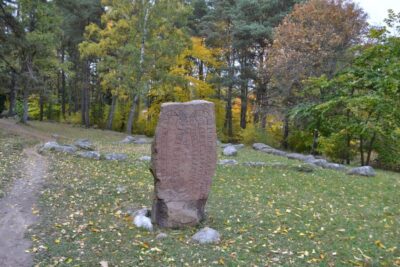

Viking History Small Group Tour from Stockholm: Half Day Including Sigtuna
Read our review →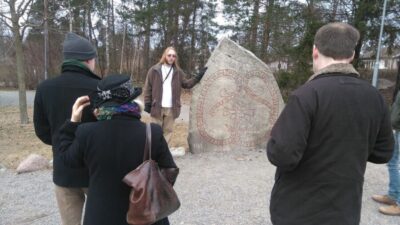

Full Day Viking Tour with Fika Swedish Coffee Break
Read our review →Browse the lists this tour appears in